Winter changes the plant world in ways that reach far beyond bare branches. The cold months shape how well plants can grow, bloom, and feed pollinators once warmer weather returns. Even when everything looks still, important work is taking place underground, inside tree trunks, and within seeds waiting for spring.
Many plants enter a resting phase as temperatures drop. This pause helps them protect sensitive parts of the plant so they can push out new growth in the spring. Trees pull nutrients from their leaves before they fall, sending those resources into roots and bark. Perennial plants retreat below the surface, where the soil keeps them insulated from freezing air. This rest period sets the stage for strong growth when daylight increases again.
Winter also influences when plants decide to bloom. Some species need a certain amount of cold exposure, called “chilling hours,” before they will flower. Without this winter reset, buds may open too early or not at all. When the timing is right, pollinators in spring find steady food sources, which helps them rebuild their energy.
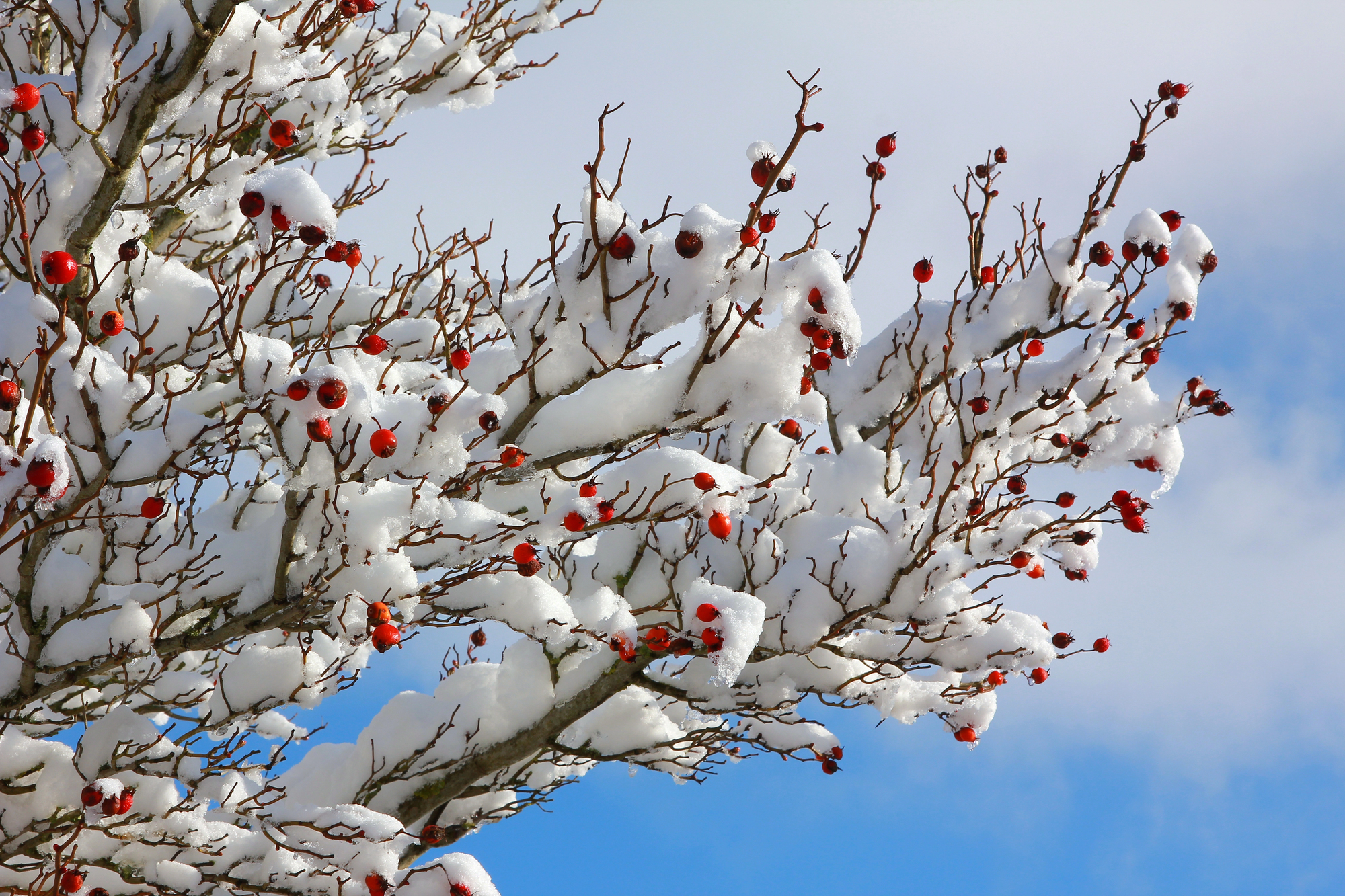
Moisture is another part of the winter process. Snow can act as a natural cover, protecting roots and soil. As it melts, it slowly releases water, helping plants start the season with enough moisture. This steady supply supports early blooms that bees and other pollinators depend on. Without enough winter moisture, spring flowers may be fewer or shorter-lived.
Winter conditions also affect seed survival. Many native plants produce seeds that must go through cold temperatures before they will sprout. This cold treatment prevents seeds from germinating during warm spells in fall, helping more seedlings survive. When spring arrives, these seeds produce fresh growth, adding to the range of pollen and nectar available to pollinators.
Climate shifts add new pressure to this cycle. Warmer winters shorten the chilling period plants need. This can change bloom timing and create gaps between when pollinators emerge and when flowers are ready. Dry winters can reduce early-season nectar, while sudden warm spells followed by freezes can damage buds. All of these changes affect the steady food supply that pollinators rely on.
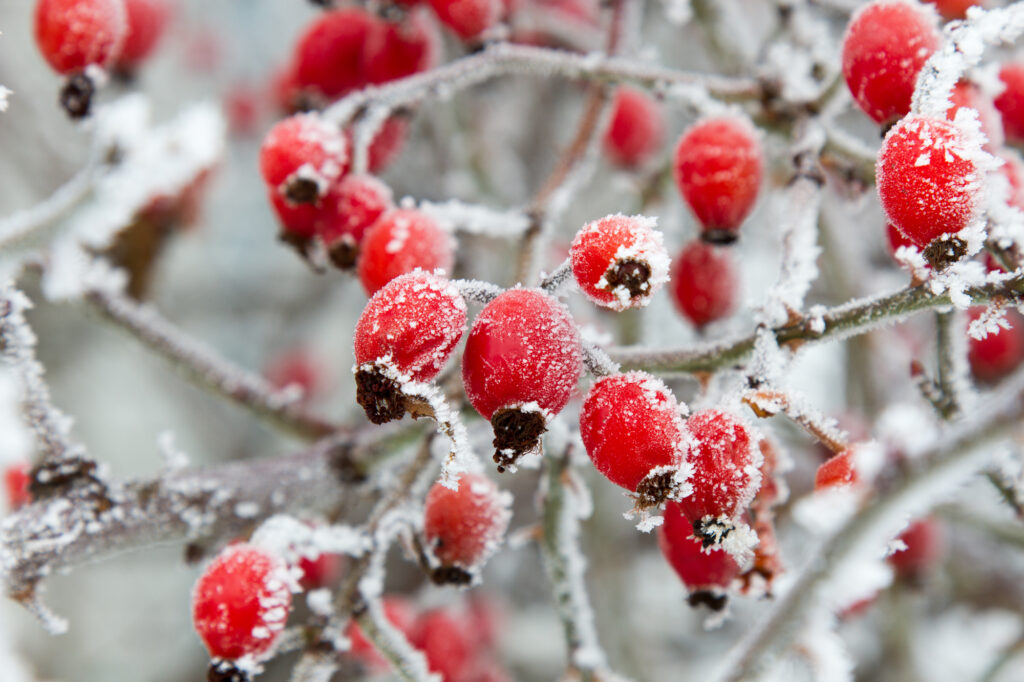
Plants that stay active or keep their structure through winter also play a role. Some shrubs hold berries. Some grasses offer shelter for small insects. Evergreen species provide cover that helps protect overwintering pollinators hidden in leaf litter, stems, or bark. Even dried seed heads and hollow stalks can hold life until spring.
The health of early-flowering plants matters as well. Species like willows, maples, and certain native wildflowers are among the first to bloom. If winter conditions weaken them, bees may face a shortage of nectar and pollen right when they need it most. Vigorous early plants help give colonies a better start as they rebuild their numbers.
Winter shapes the plant world unseen, but its impact is considerable. The way plants rest and time their growth sets up the entire feeding cycle for pollinators. Understanding how these cold months influence plant health helps explain why pollinators thrive in some years and struggle in others. When plants get the winter conditions they need, spring landscapes become richer, and pollinators find the support they depend on.
Easy Ways Gardeners Can Support Overwintering Plants
Gardeners can help plants handle winter in a few simple ways. Leaving a layer of fallen leaves in garden beds provides roots with an insulating layer that protects them from sharp freezes. Keeping some dried stems and seed heads in place through the cold months helps native plants hold their shape and provides shelter for small insects. Avoiding heavy cleanup in late fall lets plants settle naturally into their winter phase.
Adding a light layer of mulch around perennials can help steady soil temperatures. This keeps roots from freezing and thawing too often, which can stress the plant. If you grow early-blooming shrubs or trees, giving them an undisturbed space in winter helps protect their buds. These buds are an essential food source for bees when the first warm days arrive.
Gardeners can also plan ahead by choosing native plants that handle winter well in their region. Many native species are already adapted to local cold patterns and can support pollinators as soon as spring begins. Even small choices, like keeping a corner of the yard undisturbed, can help overwintering plants get off to a strong start and provide the early pollen and nectar that pollinators depend on.
If you want to learn more about plants that attract pollinators, see this article on How to Prepare Your Pollinator-Friendly Garden for Success.
🌿 Gear Up for a Bee-Friendly Garden
Contains affiliate links, for full disclosure, see FTC Disclosure, here.
Looking for tools that actually work?
We’ve pulled together our favorite picks for beekeeping, gardening, and pollinator-friendly seeds—everything you need to support bees and grow a thriving space.
Browse the full list on Amazon — all in one spot.