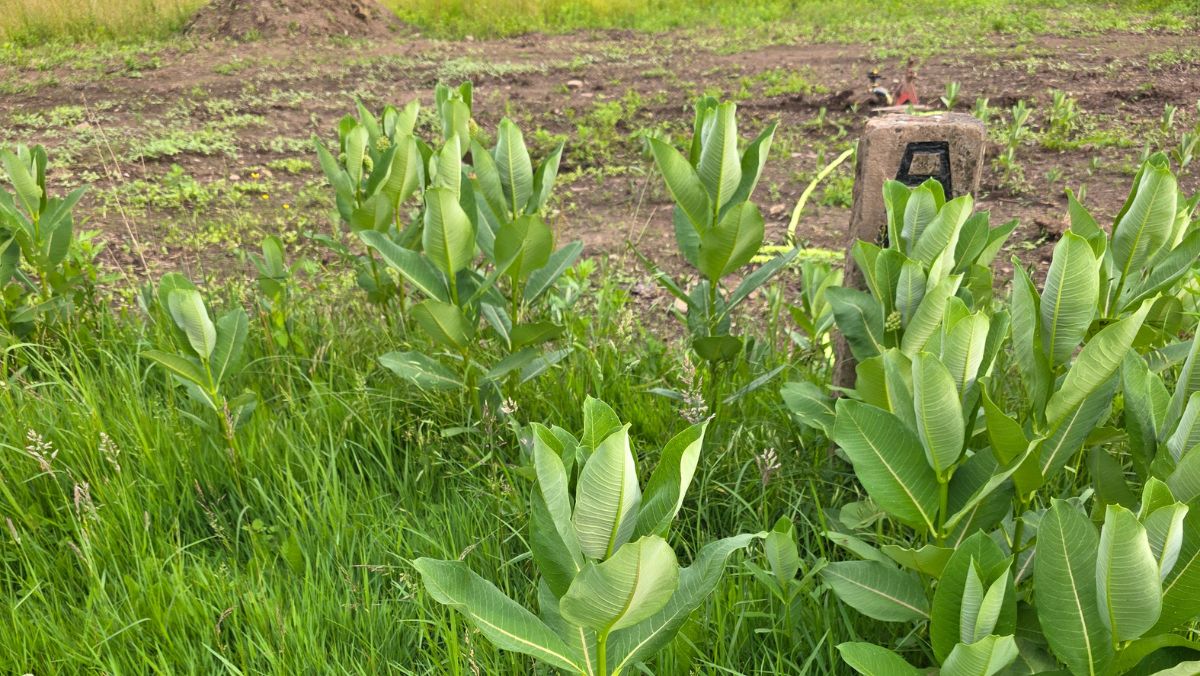

Not every acre of land is suited for crops, lawns, or gardens. Some areas stay wet after every rain, while others are too sandy, rocky, or steep to grow much of anything. Instead of fighting nature, these marginal areas can become valuable habitat for pollinators, birds, and other wildlife with just a little planning.
What Is Marginal Land?
Marginal land is any area that consistently produces poor results because of its soil, moisture, or location. It often costs more to maintain than it’s worth.
Examples include:
- Sandy hills that dry out quickly.
- Wet areas that flood each spring.
- Rocky ground.
- Field edges.
- Drainage ditches.
- Woodland borders.
- Steep slopes prone to erosion.
- Small corners that are difficult to mow.
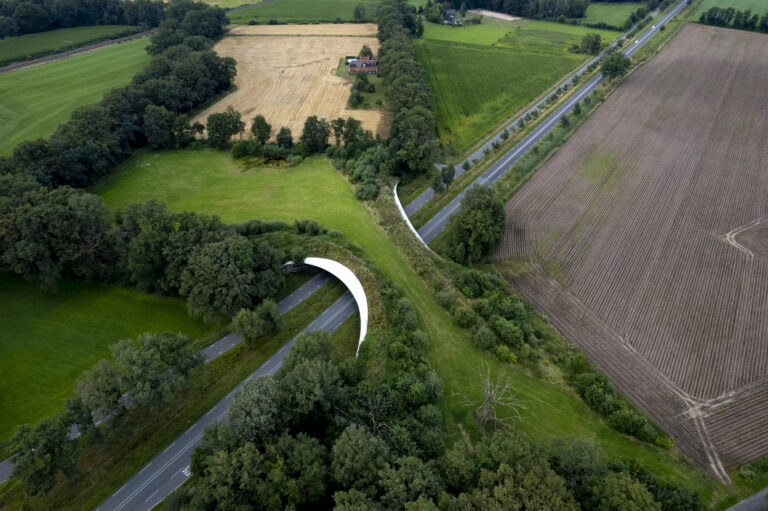
Rather than forcing these areas to produce crops or to be maintained as lawns, they can often provide far greater value as wildlife habitat.
Why Convert Marginal Land?
Native plants offer benefits that extend far beyond attracting bees.
A well-designed pollinator planting can:
- Support native bees and butterflies.
- Provide nectar throughout the growing season.
- Reduce soil erosion.
- Improve water infiltration.
- Increase biodiversity.
- Create nesting and overwintering habitat.
- Reduce mowing and maintenance.
- Add seasonal beauty to the landscape.
Even a relatively small planting can become an important food source when little else is blooming nearby.
Think Beyond Bees
Pollinator habitat is about much more than pollinators. A single patch of native plants can support dozens of different species throughout the year.
Milkweed, for example, is famous for monarch butterflies, but it also attracts:
- Native bees
- Bumble bees
- Hoverflies
- Paper wasps
- Red Milkweed Longhorn Beetles
- Milkweed bugs
- Spiders
- Predatory insects
- Songbirds that feed on insects
Each species plays a role in maintaining a healthy ecosystem.
Choose Plants That Bloom Throughout the Season
A successful pollinator planting provides flowers from spring until frost. Early bloomers feed bees emerging from winter, while late-season flowers help migrating butterflies and other insects prepare for colder weather.
Good choices include:
Spring
- Wild columbine
- Serviceberry
- Redbud
- Lupine
Summer
- Bee balm
- Common milkweed
- Butterfly weed
- Purple coneflower
- Black-eyed Susan
- Wild bergamot
Late Summer and Fall
- Goldenrod
- New England aster
- Joe-Pye weed
- Ironweed
- Boneset
By planting a variety of species, something is always in bloom.
Native Plants Usually Require Less Maintenance
Once established, many native plants tolerate drought, poor soils, and changing weather better than non-native ornamentals. They also provide the food and habitat that local wildlife evolved alongside for thousands of years. Although new plantings need watering and weed control during the first year or two, maintenance often decreases as the planting matures.
Habitat Doesn’t Have to Be Large
Many people think they need several acres to create meaningful wildlife habitat. In reality, small areas can make a significant difference.
Consider converting:
- A strip along a fence.
- The edge of a pond.
- A corner of the backyard.
- An unused hillside.
- A roadside bank.
- A drainage swale.
- A brushy field edge.
These areas may seem insignificant individually, but together they help connect habitats across the landscape.
Manage Habitat, Don’t Abandon It
Creating pollinator habitat doesn’t mean letting everything grow unchecked. A healthy habitat benefits from occasional management.
That may include:
- Removing invasive plants.
- Mowing at appropriate times of year.
- Adding new native species.
- Monitoring plant diversity.
- Avoiding unnecessary pesticides.
Thoughtful management keeps native plants thriving while preventing invasive species from taking over.
One Planting Supports an Entire Food Web
It’s easy to focus on butterflies visiting flowers, but pollinator habitats support much more than just insects. Native plants provide seeds for birds, cover for small mammals, nesting materials, shelter during storms, and food for countless beneficial insects.
Predators such as spiders, dragonflies, and birds also benefit because healthy insect populations provide a dependable food source. Every addition strengthens the entire ecosystem.
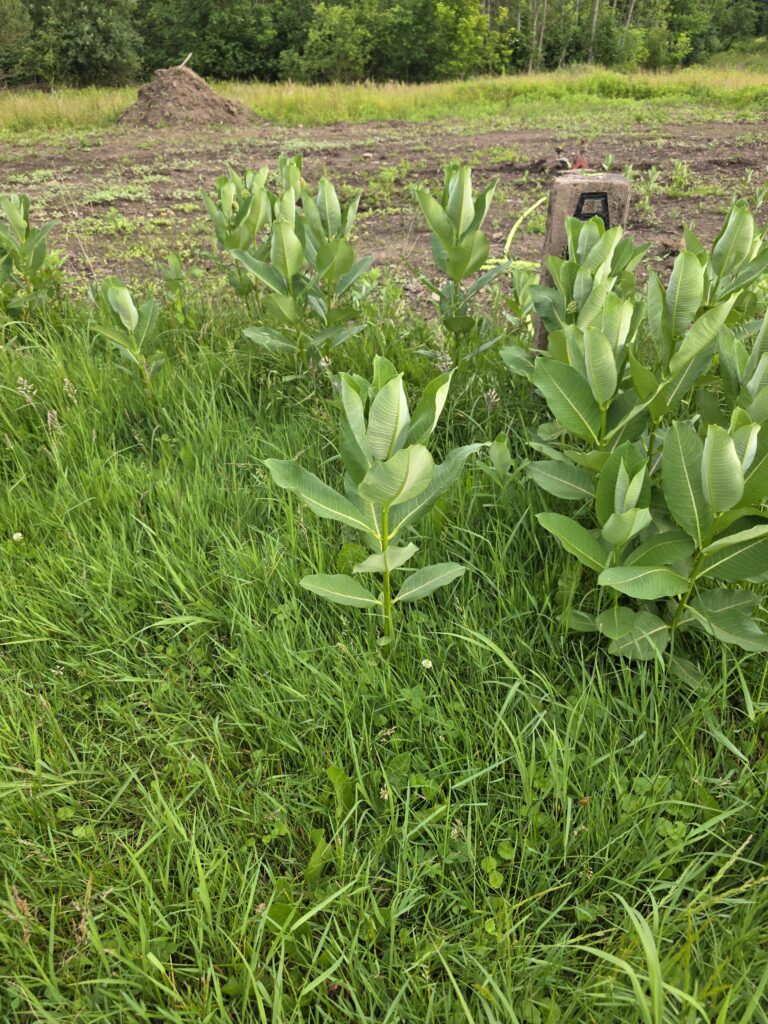
At Bees Haven:
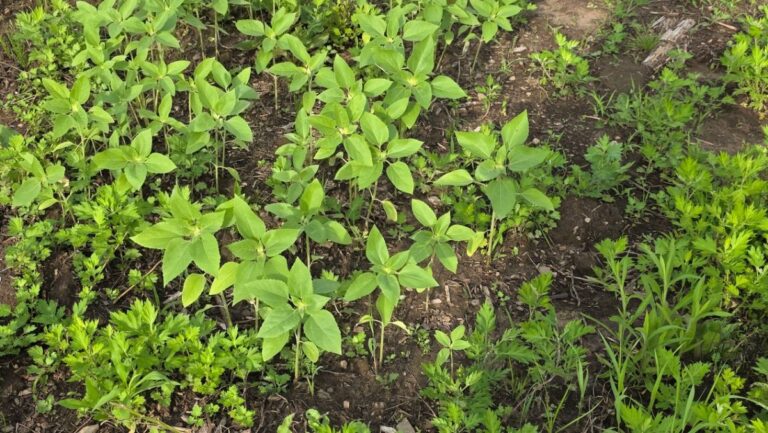
We intentionally left an established patch of common milkweed when we planted our new sunflower plot. The milkweed serves as a host plant for monarch butterflies and provides food for dozens of other insects, while the sunflowers offer late-season nectar for pollinators and seeds for birds.
Every Property Has Potential
Whether you own several acres or a small suburban lot, chances are you have an area that could become better wildlife habitat. Instead of trying to make every square foot look perfectly manicured, consider allowing nature to reclaim the spaces that struggle the most. Sometimes the least productive part of a property becomes the most valuable.
Frequently Asked Questions
Marginal land is ground that consistently produces poor crops or is difficult to maintain because it is too wet, too dry, too rocky, too sandy, or otherwise unsuitable for traditional landscaping or farming.
No. Even a small planting along a fence, driveway, or property line can provide valuable food and shelter for pollinators.
Native plants are usually the best choice because they support local pollinators and wildlife while requiring less maintenance once established.
Many native plantings begin attracting pollinators during the first year, but they often become much more diverse and productive after two to three growing seasons.
Occasional mowing or maintenance may be necessary, especially to control invasive plants, but frequent mowing during the growing season reduces habitat value.
Give Nature a Place to Thrive
Every property has an area that is not suited for grass or crops. Plants struggle due to soil, moisture, or exposure. These marginal areas often provide the perfect opportunity to support pollinators, birds, and other wildlife while reducing maintenance. With thoughtful planning and the right plants, even the least productive corner of a property can become one of its most vibrant and valuable habitats.
🌿 Gear Up for a Bee-Friendly Garden
Contains affiliate links, for full disclosure, see FTC Disclosure, here.
Looking for tools that actually work?
We’ve pulled together our favorite picks for beekeeping, gardening, and pollinator-friendly seeds—everything you need to support bees and grow a thriving space.
Browse the full list on Amazon — all in one spot.