Highways were never built with wildlife in mind. They cut straight through forests, fields, and wetlands, leaving animals to figure it out on their own. For years, that meant one thing. Cross and risk it, or don’t cross at all.
Now that’s starting to change.
What These Green Bridges Actually Are
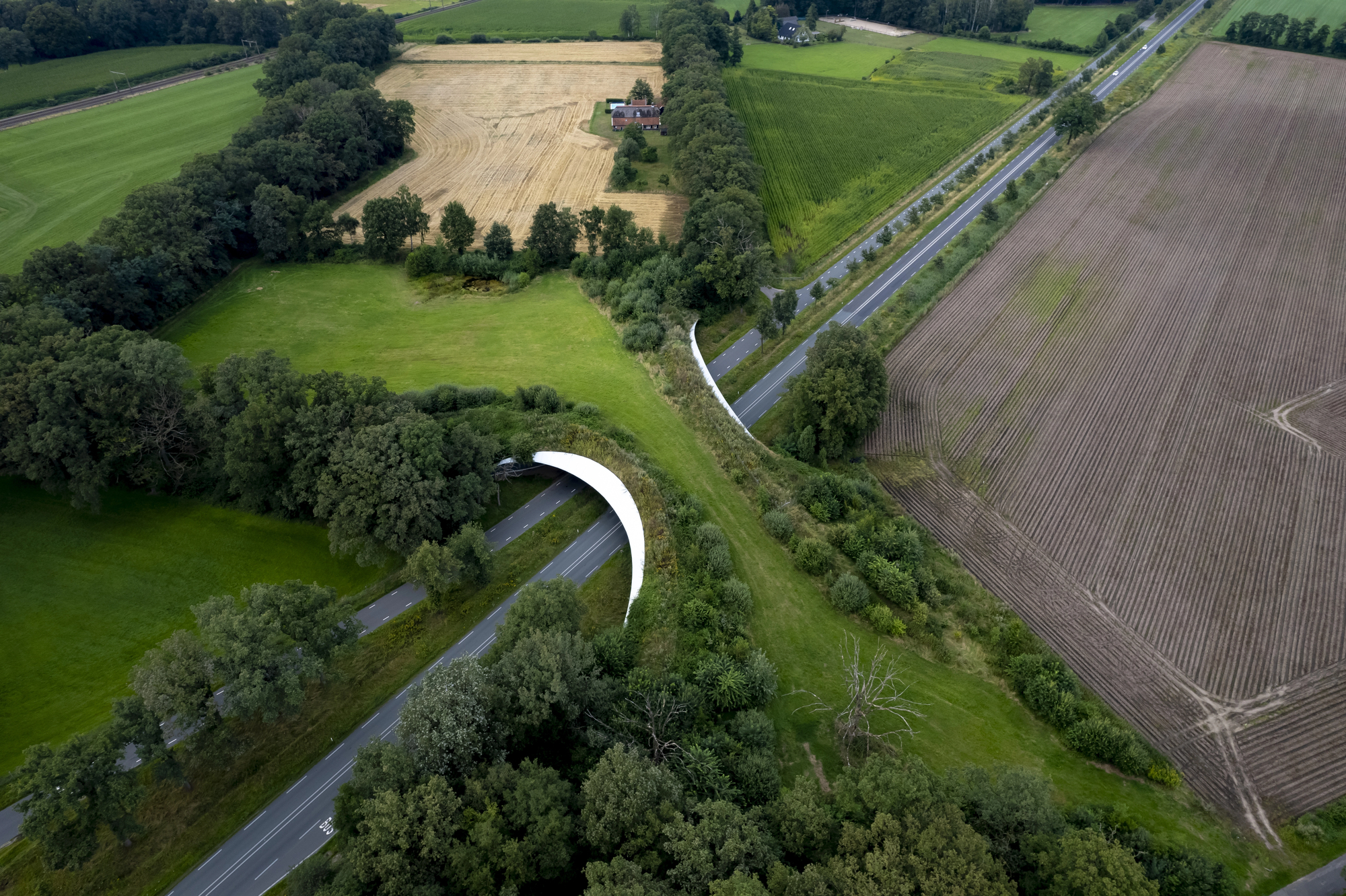
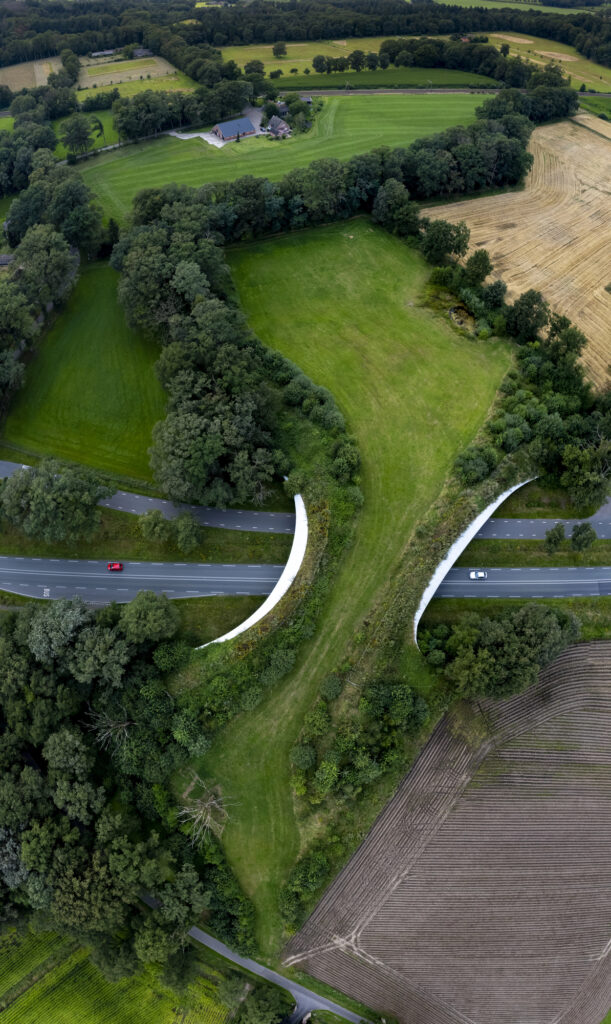
These are real bridges built over highways, but instead of concrete and guardrails, they are covered in soil and planted like natural land. Grasses, shrubs, and even trees grow on them. From a distance, they look like part of the landscape.
To animals, these bridges feel like it, too.
Why This Matters More Than People Realize
Roads don’t just kill animals. They break habitats into pieces. A deer might not reach a winter food source. A turtle might never get back to a nesting site. Smaller animals can get completely cut off.
Even insects feel it. Pollinators like bees and butterflies don’t cross wide stretches of pavement easily. That limits how plants spread and how healthy ecosystems stay over time. These crossings reconnect those broken pieces.
Do Animals Actually Use Them
They do, and more than expected. Trail cameras have captured deer, elk, bears, coyotes, foxes, and even small animals like rabbits regularly using these crossings.
Over time, animals learn where they are and start using them more often. Some locations have seen wildlife collisions drop by more than 80 percent after crossings were added. Which benefits drivers as well.
The Pollinator Angle Most People Miss
When these bridges are planted with native species, they do more than help large animals. They create safe paths for pollinators.
Bees can move between plant populations. Butterflies can follow nectar sources across areas that used to be blocked. It turns a barrier into a link.
It’s Not Just Out West Anymore
Colorado has become one of the leaders in wildlife crossings. Along Highway 9, multiple overpasses and underpasses have reduced collisions and are used heavily by deer and elk.
Wyoming has focused on long migration routes used by pronghorn and mule deer. Some of these paths have existed for thousands of years, and crossings are helping keep them intact.
Utah has built several crossings in high-traffic wildlife areas. These projects have lowered crash rates and made seasonal movement safer for deer.
California is building one of the largest wildlife crossings in the world over Highway 101 near Los Angeles. It is designed to reconnect habitats for mountain lions and other species that have been cut off by development.
Washington has been building wildlife crossings for years, especially along Interstate 90. These include large vegetated overpasses and dozens of underpasses that help deer, elk, and other species move through the Cascades.
Arizona has added crossings along Interstate 17 and other highways. These are designed for species such as deer, black bears, and even smaller desert animals.
Nevada has installed wildlife crossings along Interstate 80 to support mule deer migration routes. Early results show strong use and fewer collisions.
Montana has built crossings along U.S. Highway 93. This project is often cited for its wide range of structures that support everything from large mammals to amphibians.
Oregon has several projects in place and more planned. The state has focused on reducing wildlife collisions while improving habitat connectivity.
Florida has taken a slightly different approach, with crossings designed for species like panthers, bears, and even turtles. Many of these are underpasses, but they still play the same role in reconnecting habitat.
Texas has also built crossings in key areas, including structures designed to help ocelots and other rare species move safely.
Banff National Park in Canada is often cited as a model of how well this can work. Dozens of crossings have been in place for years, and animals use them consistently.
This is not a one-state experiment. It is a growing shift in how roads are being designed across the country. More states are looking at them as a long-term solution to both safety and conservation problems. They are expensive to build, but the costs of wildlife collisions, for both animals and drivers, add up fast.
A Small Shift That Changes Everything
This is one of those ideas that feels obvious once you see it. Instead of forcing wildlife to adapt to roads, we are starting to adapt roads to wildlife. It does not fix everything.
But it gives animals a way through landscapes that used to stop them cold. And sometimes, that is all it takes to keep things connected.
For more information on habitat restoration projects, see our article A Potential Win for Monarchs Happening Along Roadsides
🌿 Gear Up for a Bee-Friendly Garden
Contains affiliate links, for full disclosure, see FTC Disclosure, here.
Looking for tools that actually work?
We’ve pulled together our favorite picks for beekeeping, gardening, and pollinator-friendly seeds—everything you need to support bees and grow a thriving space.
Browse the full list on Amazon — all in one spot.