Something about the monarch butterfly population rebound surprised scientists, and it was not just the size of the increase. It was how fast it happened.
After years of decline, the population jumped in a single season. That kind of swing can feel sudden, but monarchs are built for it.
Why Monarch Numbers Can Change So Fast
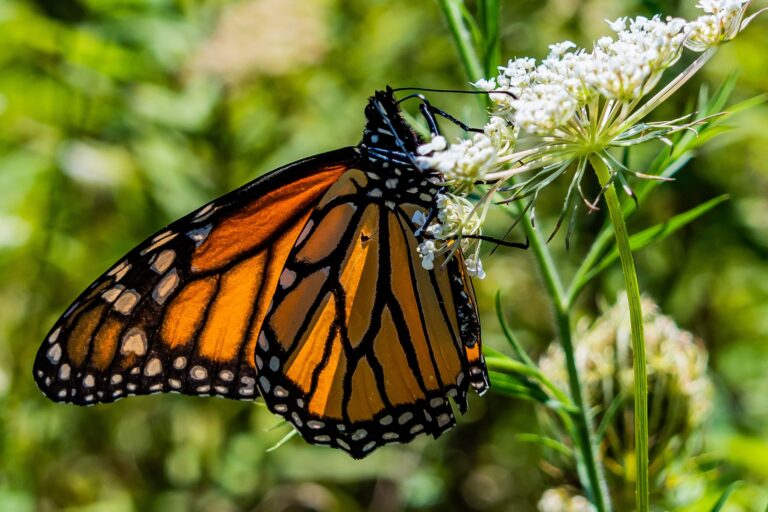
Monarchs do not live long lives. Most adults only live a few weeks during the breeding season, but they make up for that with multiple generations each year.
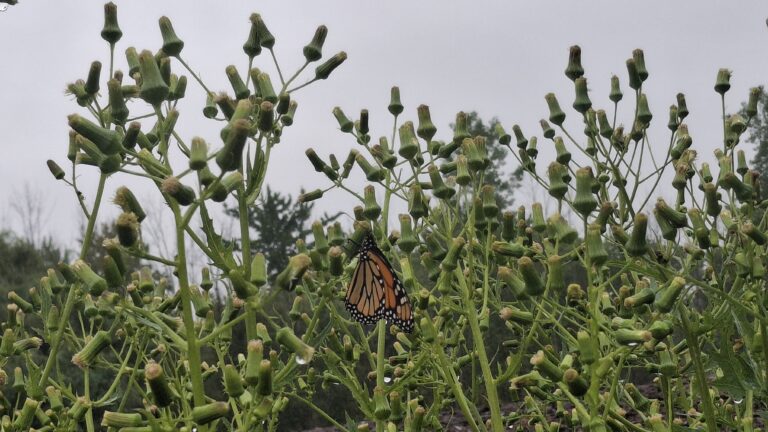
One generation lays eggs. Those caterpillars grow, become butterflies, and lay the next round. This cycle repeats several times across the summer.
By the time fall arrives, the final generation is different. These butterflies live much longer and begin one of the most well-known migrations in the insect world.
Because of this rapid life cycle, monarch populations can rise or fall quickly depending on conditions.
The Migration Is Where Everything Connects
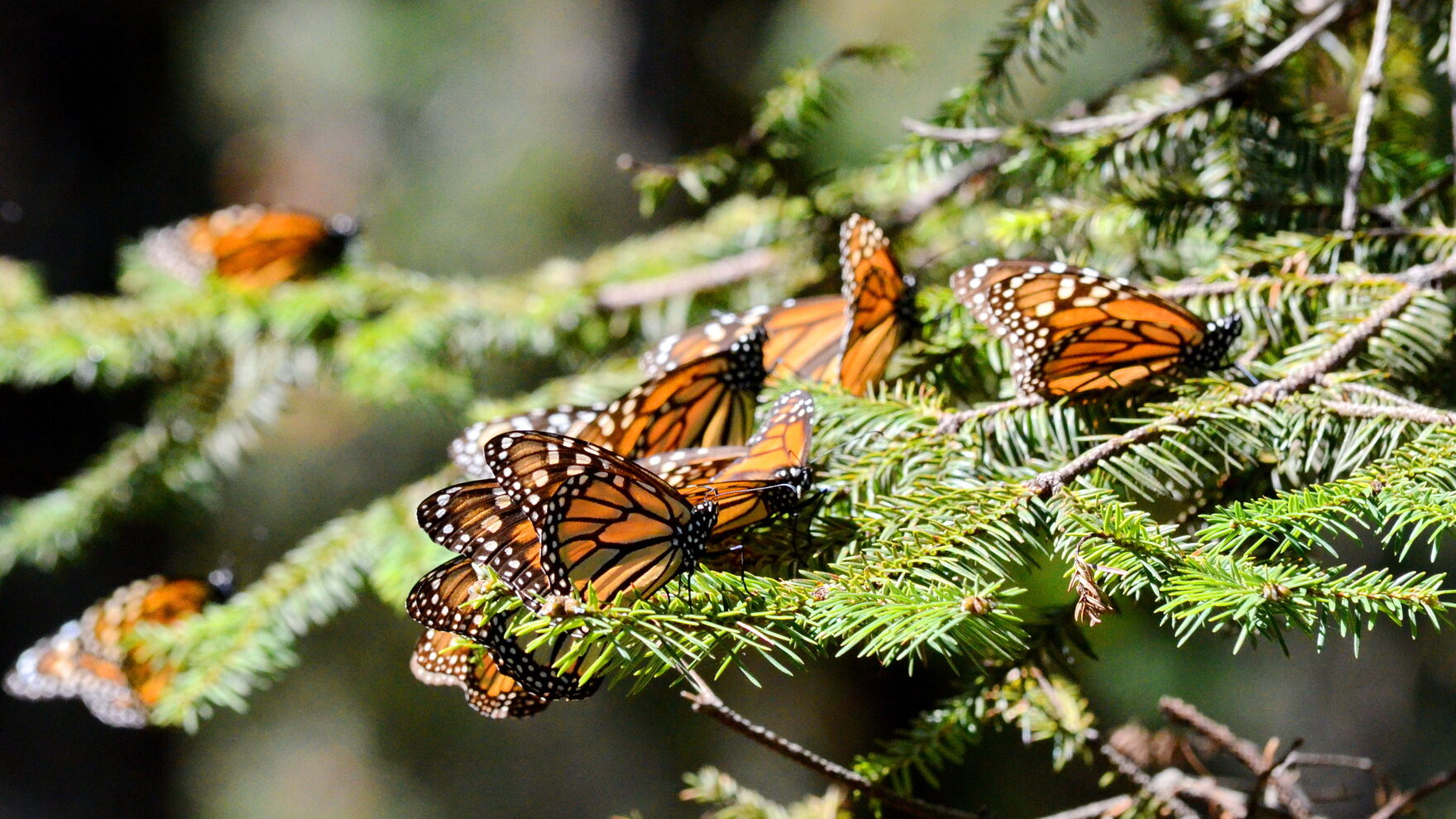
Monarchs in the eastern population travel thousands of miles to reach overwintering sites in the mountains of central Mexico.
What makes this even more remarkable is that no single butterfly completes the full round trip.
It takes multiple generations to move north in spring and summer. Then one final generation makes the entire journey south in the fall.
Along the way, monarchs rely on a chain of habitats that stretches across the continent.
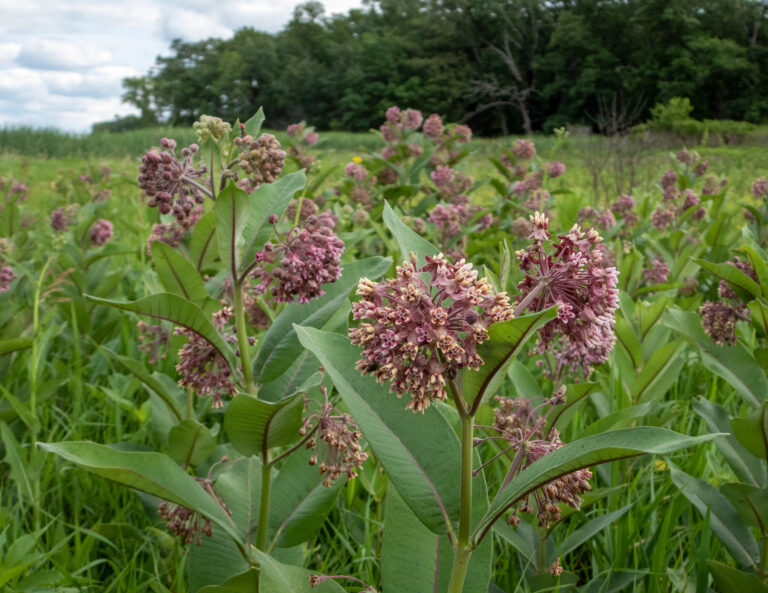
They need milkweed to reproduce in the north. They need nectar plants to fuel migration. They need an intact forest in Mexico to survive the winter.
If one part of that chain breaks, the entire system feels it.
When Everything Lines Up
The recent increase did not happen by accident. Better weather likely improved survival during migration and breeding. Milkweed is becoming more available in some areas, giving monarchs more places to reproduce. Nectar plants along migration routes help fuel the journey.
When those pieces come together, monarchs can respond quickly.
Why This Does Not Guarantee Anything
That same speed works in both directions. A strong year can be followed by a sharp drop. Late freezes, drought, or gaps in habitat can affect multiple generations in a single season.
One good year does not lock in a recovery. It shows what is possible, not what is guaranteed.
What This Means Going Forward
The recent jump is a positive sign, but it is not a finish line. Monarchs are still far below long-term population targets.
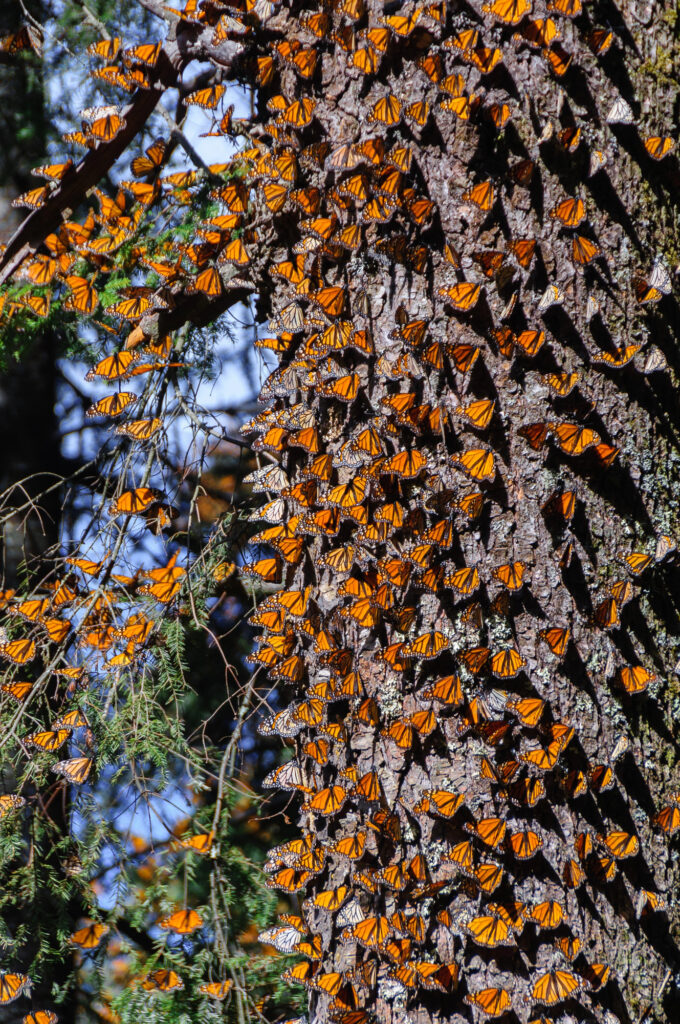
Scientists continue to point to that 15-acre benchmark as a more stable level. That number sounds large at first, but it is not as big as people might think.
Fifteen acres of forest is roughly half the size of my own property, or just a few New York City blocks. That is all it takes, spread across a protected overwintering area, to support a more stable population.
The challenge is not the size. It is protecting the right forest in the right location and maintaining habitat across the entire migration route.
Right now, the population is still well under that level, so the trend remains uncertain.
Why Your Yard Still Matters
Because monarch populations can change quickly, small actions can still add up. More milkweed means more places for eggs. More flowers improve survival during migration. Avoiding pesticides helps more caterpillars reach adulthood.
These changes do not guarantee a rebound, but they improve the odds.
The Takeaway
This increase shows that monarchs can recover when conditions are right, but it does not mean they will. Next year could look very different.
What it does show is that the outcome is still being shaped, and habitat plays a big role in what happens next.
See our article on A Rare Win Story for MonarA Rare Win Story for Monarch Butterfliesch Butterflies for more information about this significant increase.
🌿 Gear Up for a Bee-Friendly Garden
Contains affiliate links, for full disclosure, see FTC Disclosure, here.
Looking for tools that actually work?
We’ve pulled together our favorite picks for beekeeping, gardening, and pollinator-friendly seeds—everything you need to support bees and grow a thriving space.
Browse the full list on Amazon — all in one spot.