
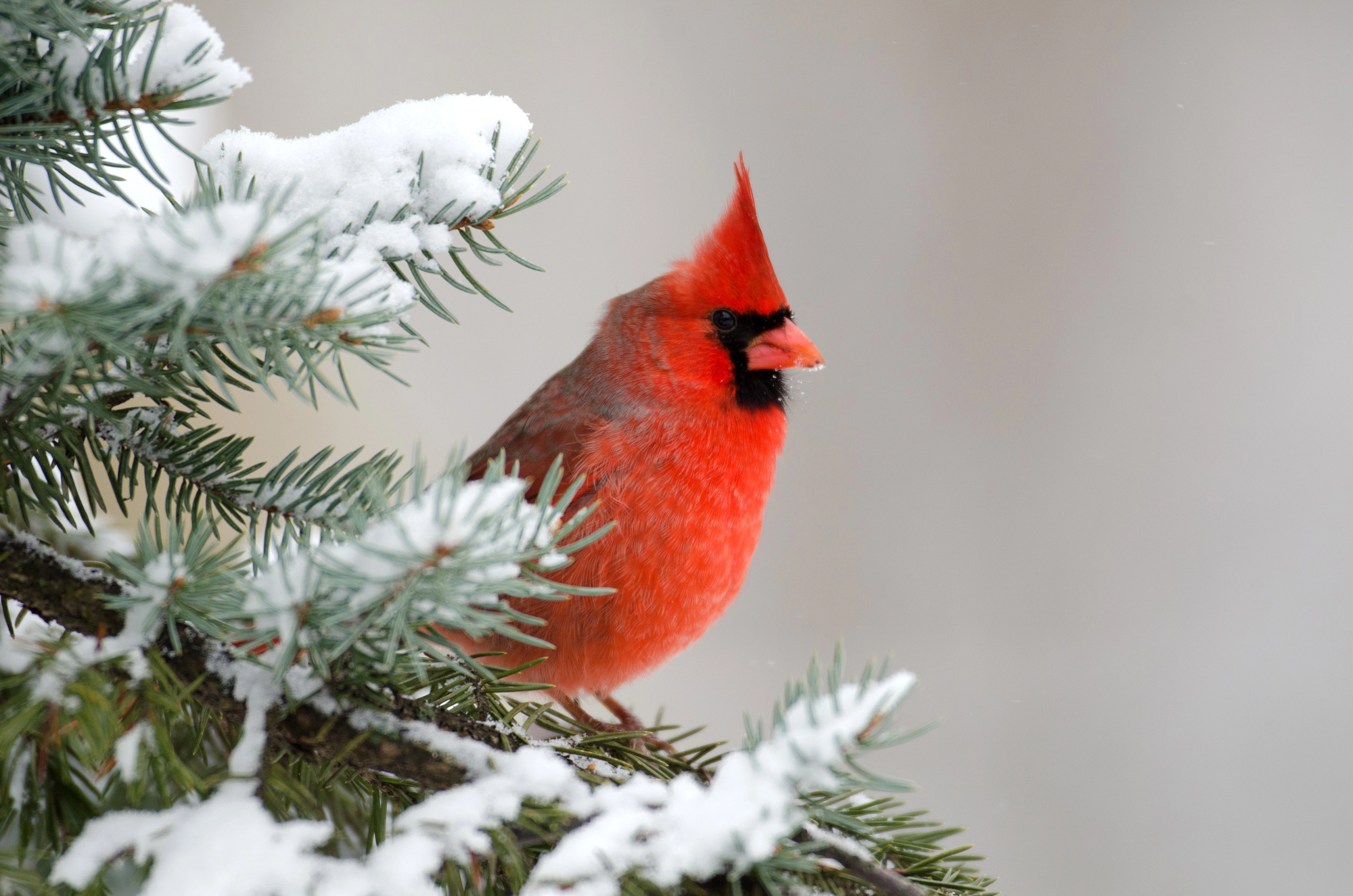
The Christmas Bird Count is known for tracking winter bird populations, but the results also show patterns that affect pollinators. Birds and insects share the same habitats, rely on many of the same native plants, and respond to changes in weather and land use. Even though pollinators are dormant during the count, the data collected in December helps scientists understand how well ecosystems support insects during the rest of the year.
Bird Trends Reflect Insect Trends
Bird populations often change when insect populations change. Many birds rely on insects during nesting season, even if they switch to seeds or berries in winter. When summer insect numbers drop, birds raise fewer chicks. That shift shows up in winter bird counts. This makes the CBC a small window into the health of insect populations earlier in the year.
Most pollinating insects need a steady habitat with safe nesting spots, native plants, and consistent moisture. Birds rely on the same conditions. When habitats break down, both groups decline, though people tend to notice birds first. The CBC helps track those shifts over time.
Native Plants Support Both Birds and Pollinators
Areas with substantial CBC numbers often have habitats rich in native plants. Native plants support insects in spring and summer and feed many birds through fall and winter. A landscape that works for birds tends to help bees, butterflies, moths, hoverflies, and beetles.
When CBC volunteers record what species they see and where they see them, they capture the impact of long-term plant choices. Good bird diversity usually means insect diversity was healthy earlier in the year.
Seed Production Depends on Pollinators
Another link is the plant cycle itself. Many winter seeds and berries that birds rely on come from plants that were pollinated months earlier. If summer pollinator activity drops, seed production drops too. Birds then enter winter with fewer resources. That shortage appears in CBC results.
So while the CBC does not directly measure pollinators, it measures pollination success from the previous growing season.
Bird Behavior Shows Shifts in Climate and Habitat
Changes in bird migration routes, winter ranges, or feeding patterns often line up with similar shifts in insect activity. Warmer fall weather can delay migration and extend insect seasons. Extreme drought can reduce food for both birds and pollinators. The CBC provides a record of these patterns.
Researchers use this long-term dataset to understand how climate conditions shape ecosystems, including those we cannot see in December.
Why This Matters for Anyone Who Gardens
The Christmas Bird Count is one of the longest-running community science projects in the world. While it focuses on birds, it quietly supports pollinator conservation too. The data helps identify:
• regions losing habitat
• areas with strong native plant cover
• places where insect declines might be happening
• climates are shifting in ways that affect bloom timing and food availability
For gardeners, this means the CBC can guide decisions about what to plant and how to manage habitat. The same plants that support birds through winter support pollinators during the growing season. Healthy bird numbers often mean the surrounding landscape is working for insects long before spring arrives.
By taking part or following the results, you get a clearer picture of how your local ecosystem is doing and where your garden choices can make a difference.
🌿 Gear Up for a Bee-Friendly Garden
Contains affiliate links, for full disclosure, see FTC Disclosure, here.
Looking for tools that actually work?
We’ve pulled together our favorite picks for beekeeping, gardening, and pollinator-friendly seeds—everything you need to support bees and grow a thriving space.
Browse the full list on Amazon — all in one spot.


