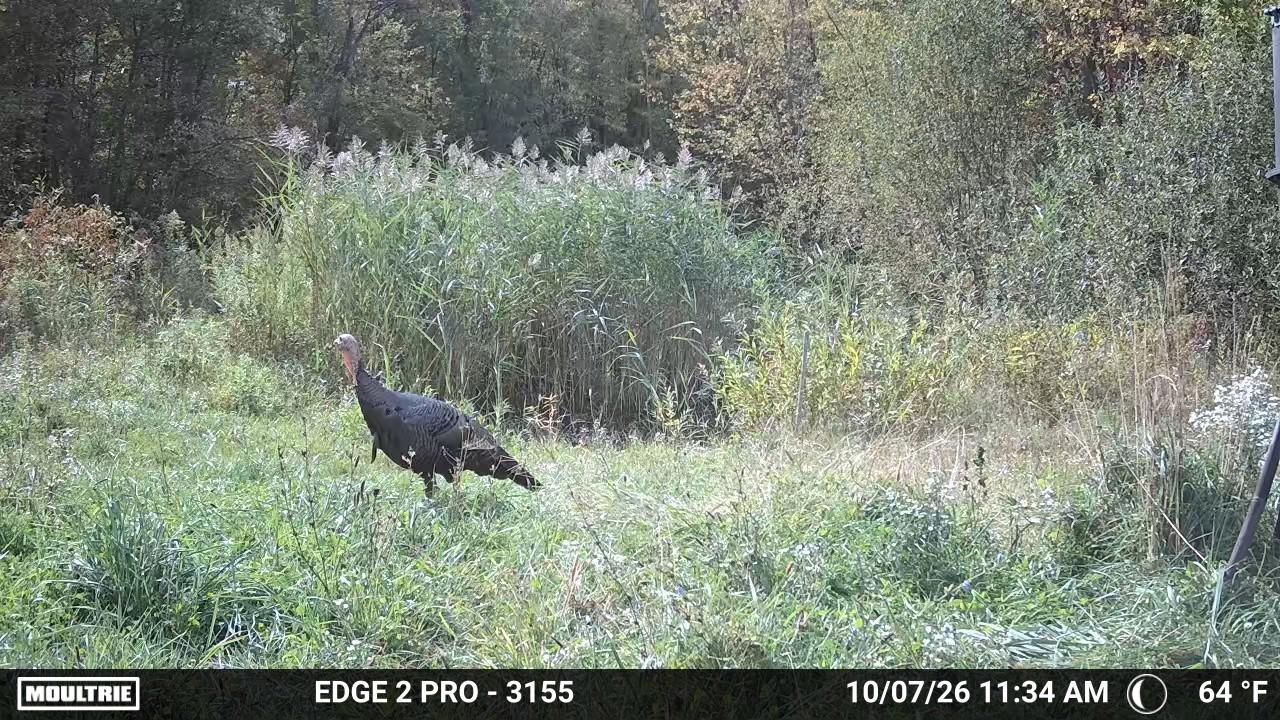
I’ve talked a lot about the wildlife here at Bees Haven over the years, but I thought it was time to start showing more of it. Our property in Upstate New York has a little bit of everything. There are woods, open fields, a pond, a swamp, a creek, wetlands and gardens. Some areas are maintained, while others have been left to grow naturally.
Over the years, we’ve seen deer, wood ducks, monarch butterflies, frogs, countless insects and more birds than I can keep track of. Some live here year-round, while others visit during migration or appear only in certain seasons.
I wanted to start a series sharing some of these animals, along with a little information about their lives and why they’re attracted to the different habitats here.
But first, it helps to understand what makes a good wildlife habitat.
What Makes a Good Wildlife Habitat?
Every animal has its own needs, but most wildlife depends on four basic things to survive.
- Food: Seeds, nuts, berries, insects, nectar, leaves or other animals, depending on the species.
- Water: A source of water for drinking, bathing or reproduction.
- Shelter: Protection from predators, harsh weather and other dangers.
- Places to reproduce: Safe areas for nesting, laying eggs and raising young.
A single property doesn’t need to provide everything for every species. Wildlife often moves between different areas to find what it needs.
One thing I’ve learned from watching our property over the years is that having several different types of habitat can attract a remarkable variety of wildlife.
The Different Habitats at Bees Haven
Our Pond and Wetlands
Our pond and wetlands are some of the busiest wildlife areas on the property. Wood ducks are among my favorite visitors. We often see them on the pond or flying out of the swamp. They’re beautiful birds, although getting a decent photograph of them can be another story!
Wetlands provide food and shelter for many species. Aquatic insects, plants and other small organisms form the base of a food web that supports birds, amphibians and mammals. Shallow water and vegetation also create hiding places for young animals.
Unfortunately, our wetlands have their problems, too. Invasive Phragmites, sometimes called common reed, has spread into parts of the swamp. It forms dense stands that can crowd out native wetland plants and change the habitat. Watching that happen reminds me that protecting wildlife habitat involves more than simply leaving everything alone.
Our Woods and Brush Piles
Wooded areas offer a completely different habitat from the wetlands. Trees provide nesting sites, seeds, nuts and insects. Dense shrubs and fallen branches give smaller animals places to hide.
We’ve also seen how useful brush piles can be. What looks like a messy pile of branches to us can provide valuable cover for birds and small mammals. Dead wood has an important role, too. As it breaks down, fungi and insects help recycle nutrients into the soil. Those insects, in turn, provide food for birds and other wildlife.
Not every fallen branch needs to be removed, especially in areas where it isn’t causing a problem.
Our Fields and Wildflowers
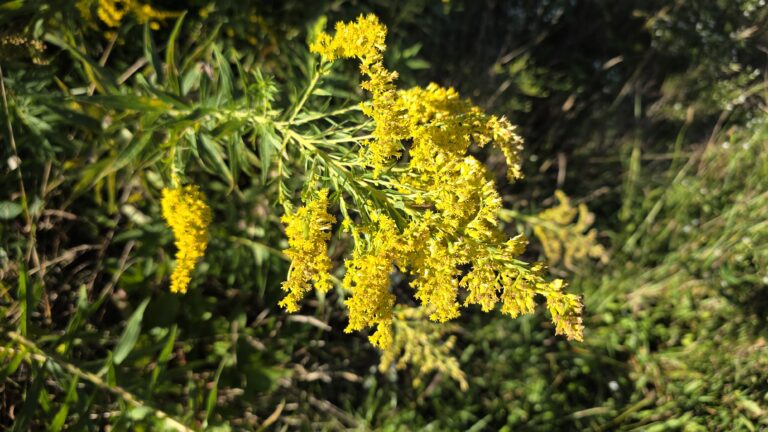
Some of the most active wildlife habitat here isn’t in the woods or wetlands. It’s in the open fields. Goldenrod, asters, milkweed and other flowering plants provide nectar and pollen for insects throughout the growing season.
In late summer and fall, the asters and goldenrod are especially busy. Bees, butterflies, flies and other insects take advantage of the flowers before cold weather arrives.
Those insects also provide food for birds and other animals. After the flowers fade, seed heads become another food source. Goldfinches especially love seeds, and leaving some standing vegetation gives birds a chance to feed well into the colder months. Our fields also provide cover for wildlife moving between the woods, gardens and wetlands.
Our Gardens and Planted Areas
The gardens are another important part of the wildlife habitat at Bees Haven. We grow sunflowers, zinnias and other flowering plants that attract bees, butterflies and birds.
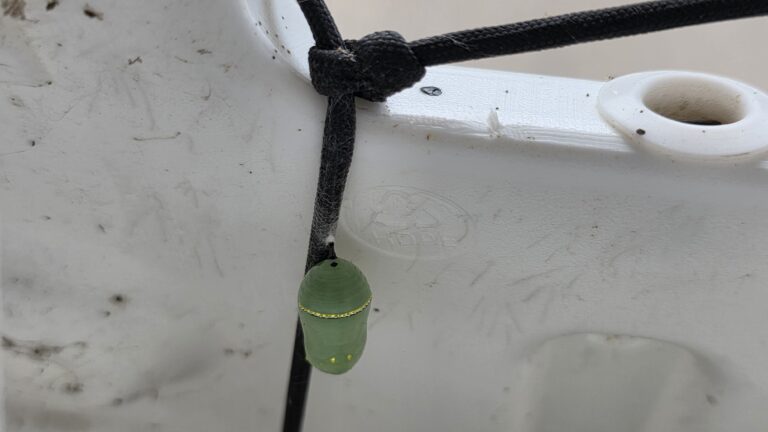
Milkweed provides food for monarch caterpillars, while its flowers supply nectar to many insects. The gardens aren’t just for pollinators, though. Predatory insects help control pests, birds search the plants for insects and plenty of other animals take advantage of the food available.
Of course, wildlife doesn’t always cooperate with our gardening plans! Deer eat plants we’d rather keep, insects chew holes in leaves and birds sometimes get to the seeds before we do. That’s part of sharing the property with wildlife.
Why Habitat Diversity Matters
A wood duck doesn’t use the same habitat as a monarch butterfly. A deer has different needs from a bumblebee. Even within one species, habitat needs can change throughout the year.
Some animals need open areas to feed but dense cover to rest. Others spend part of their lives in water and the rest on land. A mixture of woods, wetlands, fields, and gardens gives different species more opportunities to find suitable habitat.
The areas where two habitats meet can also be especially active. These transition areas are called edges. For example, the edge of a field and woodland may provide both food and protective cover. Birds can feed in the open and retreat into nearby shrubs or trees when threatened.
That doesn’t mean every edge is beneficial to every species. Some wildlife needs large, undisturbed areas of forest or grassland. The value of an edge depends on the animal and the surrounding habitat.
How the Seasons Change Our Wildlife
One of the most interesting things about living here is watching how wildlife activity changes with the seasons.
Spring brings migrating birds, emerging insects and the beginning of nesting season. Frogs and other amphibians become active as temperatures rise.
Summer is busy with breeding, feeding and raising young. Pollinators visit the gardens and fields, while birds search for insects to feed their chicks.
Fall brings another wave of migration. Goldenrod and asters provide late-season food for pollinators, and seed-eating birds take advantage of ripening seed heads.
Winter is quieter, but the habitat is still being used. Brush piles, leaf litter, tree cavities and standing vegetation provide protection for animals that remain active or overwinter here.
This is one reason I don’t believe in cleaning every garden bed and field down to bare ground in the fall. Many insects spend the winter in plant stems, leaf litter or soil. Leaving some of that material in place can make a difference.
The Challenges of Maintaining Wildlife Habitat
Having a large property doesn’t automatically mean the habitat is healthy. We’ve spent years working on different parts of Bees Haven, and new challenges keep coming up.
Invasive plants are probably among the most frustrating. Some spread quickly, crowd out native vegetation and require repeated management. Other challenges include deer browsing, changes in water levels and deciding which areas should be maintained and which should be left alone.
Habitat restoration isn’t something that happens once and is finished. Plants grow, conditions change and wildlife responds. Sometimes an area improves quickly. Other times, progress takes years. We’ve learned a lot through trial and error, and I’m sure we’ll keep learning.
Creating Wildlife Habitat at Home
A property doesn’t need to be 30 acres to support wildlife. Even a small yard can provide food and shelter for insects, birds and other animals.
Some simple ways to help include:
- Plant native flowers, shrubs and trees suited to the growing conditions.
- Include plants that bloom at different times of the year.
- Provide a clean source of water.
- Leave some fallen leaves, standing stems and brush where practical.
- Reduce unnecessary pesticide use.
- Include host plants for butterflies and moths.
- Remove invasive plants when possible and replace them with useful native species.
The goal isn’t to attract every animal. It’s to provide suitable habitat for the wildlife that naturally occurs in the area. The National Wildlife Federation has a helpful guide to the essentials of wildlife habitat for anyone interested in getting started.
Meet the Wildlife at Bees Haven
This is where the new series comes in. I’m going to share some of the birds, mammals, insects and other wildlife we’ve seen around the property. Along with photographs and personal observations, I’ll explain a little about each animal’s habits, food sources and habitat requirements.
Some are familiar backyard visitors. Others are a little harder to find. We’ll also look at how these animals fit into the larger ecosystem and what we can do to support them.
First up are the wood ducks that visit our pond and wetlands. They’re one of my favorite birds to watch, even if they rarely stick around long enough for me to get the camera ready! As the series grows, I’ll add links to each wildlife article here.
A Habitat That’s Always Changing
One of the things I love most about Bees Haven is that something is always happening outdoors. A walk to the pond might turn up wood ducks. The flower beds may be covered with bees, or a goldfinch might be feeding on a seed head I deliberately left standing.
Not every wildlife encounter is dramatic. Sometimes the most interesting discoveries happen when I stop working long enough to look around. I hope this series encourages others to take a closer look at the wildlife living around them, too.
Article 1: Wood Ducks in New York Wetlands
🌿 Gear Up for a Bee-Friendly Garden
Contains affiliate links, for full disclosure, see FTC Disclosure, here.
Looking for tools that actually work?
We’ve pulled together our favorite picks for beekeeping, gardening, and pollinator-friendly seeds—everything you need to support bees and grow a thriving space.
Browse the full list on Amazon — all in one spot.