Chives and parsley can grow indoors through winter with enough light, well-drained potting mix, and room for their roots to develop. Starting a few pots from seed takes patience, but established plants can provide small harvests for soups, potatoes, eggs, and other meals without buying a fresh package of herbs every time a recipe calls for a tablespoon or two.
Start With Herbs That Will Get Used
Chives provide a mild onion flavor, while parsley works in everything from sauces to salads. Both are good candidates for growing indoors, although neither will produce much without adequate light.
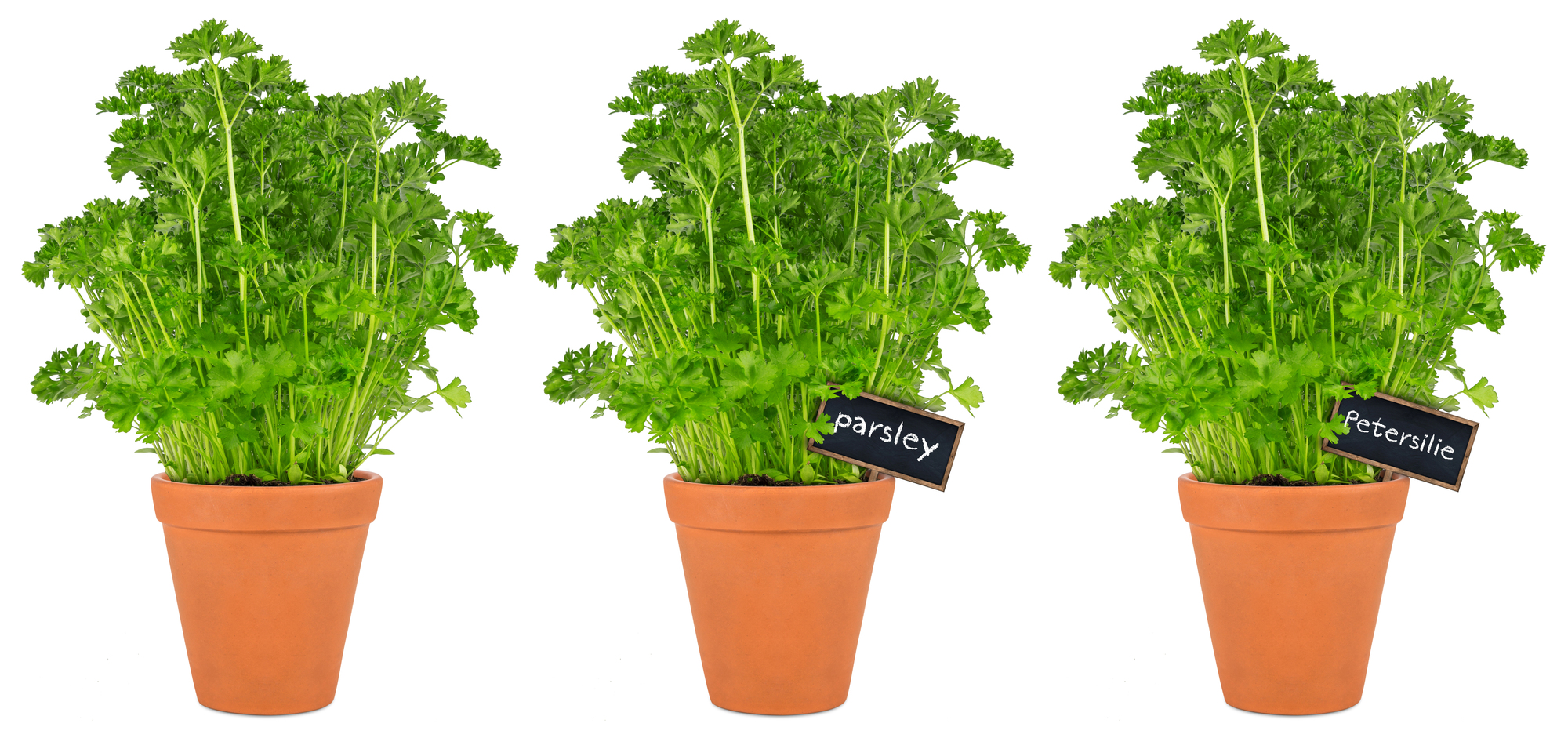
Regular chives, Allium schoenoprasum, have slender, hollow leaves. Flat-leaf and curly parsley are both suitable choices, so the decision may come down to which type you use most often in the kitchen.
A couple of healthy pots can supply garnishes and small additions to meals. Larger harvests require more plants and more time to regrow between cuttings.
Give Each Herb Its Own Pot
Separate pots make it easier to adjust watering and move plants as they grow. Every container needs drainage holes and a saucer to protect the surface beneath it.
Small seed-starting containers are useful at first, but they are temporary homes. Move seedlings into larger pots as their roots fill the available space, rather than putting tiny plants straight into a large volume of damp mix.
Use a commercial potting mix intended for containers. Clay pots dry more readily than plastic, which can be helpful, but either material works when drainage and watering are managed properly.
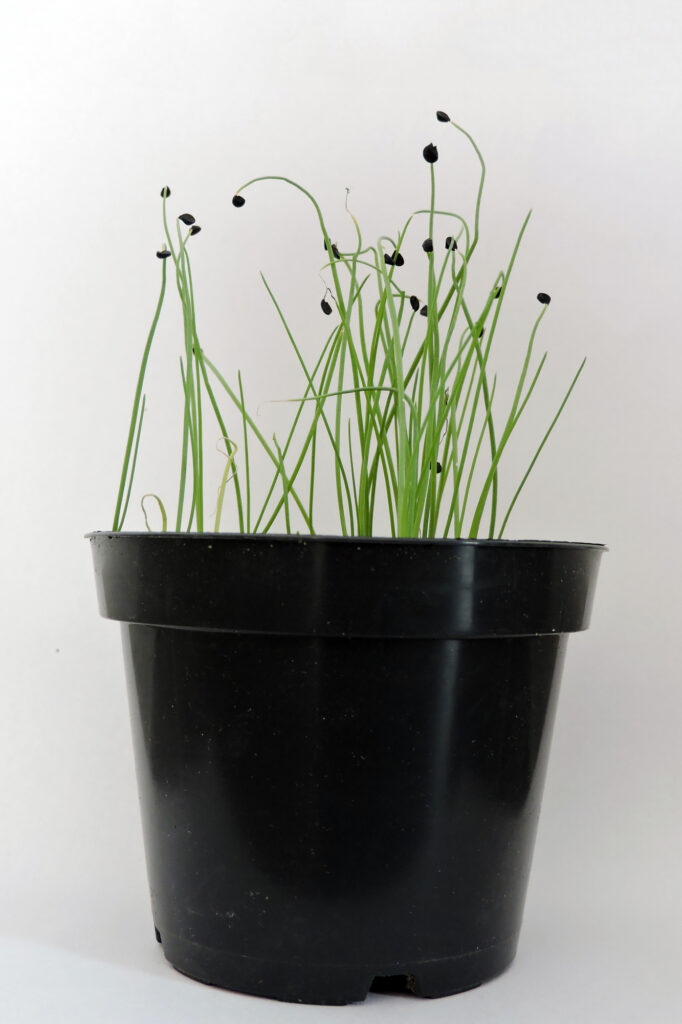
Starting Chives From Seed
You can grow chives from seed or divisions of an established clump. Seeds are a useful option when you don’t have an outdoor plant to divide.
Sow seeds about one-quarter inch deep in moistened seed-starting mix. Keep the mix moist during germination, and follow the packet’s temperature and spacing instructions.
Young chives begin as fine, grasslike shoots and take time to form a useful clump. Let them establish before expecting regular kitchen harvests.
Parsley Takes Its Time
Parsley seeds germinate slowly, often taking several weeks to emerge. A pot that appears empty after a week may still be progressing normally.
Use fresh seed and keep the mix evenly moist without leaving it waterlogged. Soaking the seeds in warm water overnight before sowing can help speed germination, though it does not make parsley an instant crop.
Follow the packet’s planting-depth instructions and label the pot with the sowing date. That makes it easier to track how long the seeds have been waiting.
Winter Light Is Usually the Biggest Challenge
A bright window may keep herbs alive but may not provide enough light for steady harvesting. Short winter days make supplemental lighting useful, especially when plants are growing away from a sunny window.
An LED grow light on a timer provides a more consistent schedule. Iowa State Extension recommends 12–16 hours of supplemental light daily for indoor herbs; 14 hours is a practical starting point.
Follow the fixture’s recommended distance from the foliage, since light strength varies widely. Thin growth and plants leaning heavily toward the light suggest the setup needs attention.
Water According to the Pot
Established chives and parsley need regular moisture, but their roots should not sit in saturated mix. Check the soil rather than watering every pot on a fixed schedule.
Water when the mix begins to dry near the surface, allow excess water to drain, and empty the saucer. A cool room, a large pot, and a small plant can all mean a longer wait between waterings.
Seedlings need closer attention because their small root systems cannot reach moisture throughout the container. Keep their immediate growing area moist, but avoid a constantly soaked pot.
Cool Rooms Can Work, but Growth May Be Slower
Chives and parsley tolerate cooler conditions better than warmth-loving herbs such as basil. Still, surviving in a chilly room and producing a steady supply of leaves are different expectations.
Cornell Cooperative Extension’s guide to growing herbs indoors recommends daytime temperatures around 65–70°F and cooler nights. Keep pots away from freezing window glass and direct blasts of hot air.
Harvest Small Amounts While Plants Establish
Begin harvesting chives once the leaves are about six inches long and the plant has enough growth to spare. Cut selected leaves near the base, leaving roughly an inch or two above the soil.
For parsley, remove a few developed leaves and their stalks at a time, leaving plenty of foliage to support continued growth. Avoid damaging the central growing point.
Indoor plants may replace harvested leaves slowly during winter. If growth doesn’t keep up, reduce harvesting while checking light and growing conditions.
Keep the Harvest Close to the Kitchen
Fresh chives can finish a bowl of soup or a pan of scrambled eggs, while parsley adds flavor to sauces, vegetables, and roasted meats. Having a plant on hand lets you cut only what you need.
The first harvest will take longer when starting from seed. Once the pots are established, a few snips can provide the finishing touch without leaving half a package of herbs wilting in the refrigerator.
Move the Herbs Outside in Spring
Chives and parsley can move outdoors in spring once conditions are suitable. Harden them off gradually, starting with short periods in a sheltered, shaded spot and increasing their exposure to sun and wind over a week or two.
Outside, these kitchen herbs can also support pollinators. Let some chives bloom for visiting bees, while continuing to harvest leaves from other clumps. Parsley usually flowers in its second year, producing small flower clusters that attract pollinators and other beneficial insects. Its leaves also feed black swallowtail caterpillars, so growing a few extra plants leaves more to share.
🌿 Gear Up for a Bee-Friendly Garden
Contains affiliate links, for full disclosure, see FTC Disclosure, here.
Looking for tools that actually work?
We’ve pulled together our favorite picks for beekeeping, gardening, and pollinator-friendly seeds—everything you need to support bees and grow a thriving space.
Browse the full list on Amazon — all in one spot.