

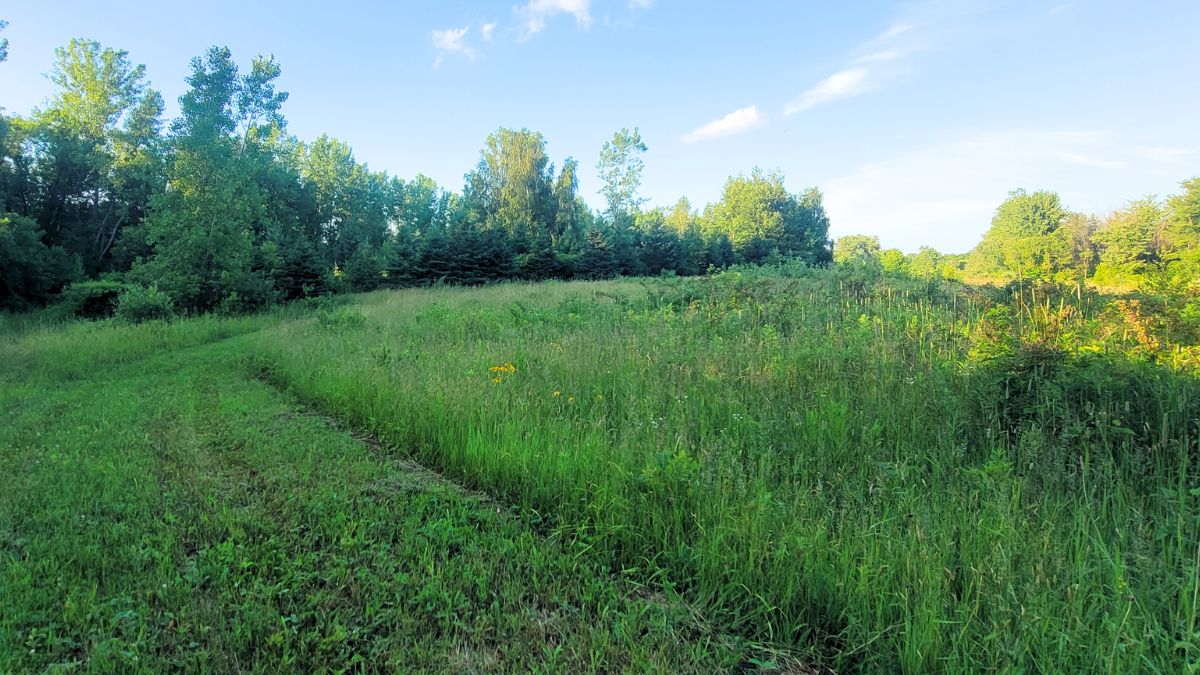
The white spruces (Picea glauca) at Bees Haven are special to this land. When we arrived over 25 years ago, there wasn’t a single evergreen here. Generations of farming had kept the fields open, leaving no chance for evergreens to take root.
Evergreens are the third phase of natural succession. For those unfamiliar with natural succession, it is the process by which an area previously disturbed by human activities, such as farming, slowly returns to a natural state with native species.
The first natural plants to return are the grasses and wildflowers, which are either self-seeded or seeded with the help of birds and small mammals. Self-seeding is when seeds are carried by the wind and deposited in a different spot.
The following species that appear are “weed trees” such as cottonwood, birch, ash and soft maples. Finally, the evergreens, such as pines and spruces, arrive; their seeds are carried and planted by birds and rodents.
We didn’t intentionally choose these spruces. They were leftover seedlings from a planting project we did when volunteering with the Children’s Garden at our local flower show. After the event, no one else wanted to take them home, and we couldn’t bear to see them tossed away. So we loaded them up and brought them back to Bees Haven, figuring we’d find a spot for them somewhere.
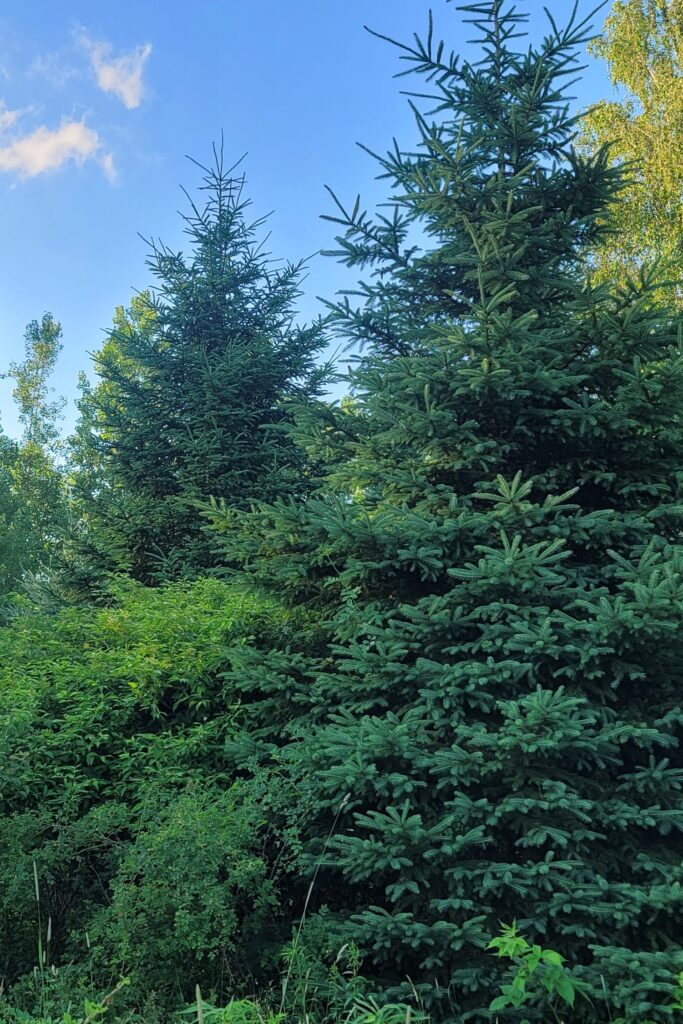
The reason this field was chosen is that it is drier than other fields on the property. The soil on the property is a clayey loam that tends to hold water during the wet seasons. Although the white spruce is more tolerant of heavy clay soils, it prefers to avoid standing water.
Before planting, the field was open with tall grasses and wildflowers, much like the other meadow areas. It is directly south of the pond and creek and a bit higher in elevation, so the water runs off to there.
We set our 12-year-old son and his friend to work planting them in a field we had prepared. They complained the entire week it took to get them in the ground. Now, as adults, they get to enjoy the trees they helped plant.
The spruce are now 10-30 feet tall. In the spring, they are blue-green with their new growth. The summer season it is shaded from the hot sun, so it produces a cool place for animals to rest. In the fall, the scent of needles is in the air, stirred up by rutting deer. In winter, the spruces catch drifting snow, muffling sounds and creating a warm, sheltered home for wildlife. We have gotten our Christmas tree from this field for many years, so it has been a family tradition to go out, select one, and bring it home. It was a wonderful tradition, but I fear last year was the last; they are all too big to fit in the house now. 🌲

When the trees were young, we mowed between them to give them the best chance for success. We stopped that practice when they reached about 10 feet tall. Now, native flowers and shrubs like dogwoods and honeysuckle fill in between the trees, and it is the perfect spot for pollinators, birds, and mammals. There are even paths around the field for nature observation from a tractor or ATV.
The Benefits of the Spruces for Bees Haven
Today, these spruce provide a haven for many creatures. Robins, sparrows, finches, and small owls nest among the branches. We often see robins feeding their young and watch them fledge, sometimes with such clumsiness. We’ve also found numerous oriole nests. The lower limbs reach the ground, providing shelter for ground-nesting birds and mammals, such as groundhogs, mice, and rabbits. It’s even a safe hiding spot for does with their fawns.
The spruce field also helps stabilize the soil, reducing erosion in heavy rains. It protects other plantings nearby from strong winds, creating a more stable environment for native wildflowers and grasses to grow. On stormy days, bees and butterflies can shelter under the dense branches, waiting for clear skies.
This spruce field is just one piece of the diverse habitat we’re building at Bees Haven. Together with the meadows, pond, and restoration areas, it helps support a wide range of species while bringing the land back to a healthier, wilder state. We hope it inspires others to add habitat trees where they can, helping wildlife thrive.
For more habitats of our 29-acre farm, see the Meadow, The Large Swamp and Wet Woodlands, and the Restoration area.
Thinking about planting this season? See our guide on planting your vegetable garden.
🌿 Gear Up for a Bee-Friendly Garden
Contains affiliate links, for full disclosure, see FTC Disclosure, here.
Looking for tools that actually work?
We’ve pulled together our favorite picks for beekeeping, gardening, and pollinator-friendly seeds—everything you need to support bees and grow a thriving space.
Browse the full list on Amazon — all in one spot.


