We spend a lot of time watching the deer here at Bees Haven. Between the trail cameras and the ones wandering through the property, we get to watch fawns grow and start recognizing some of the regulars. So news about a fatal deer disease in western New York hits pretty close to home.
On November 6, 2026, the New York State Department of Environmental Conservation announced that a wild doe harvested in Sparta, Livingston County, tested positive for chronic wasting disease. It was the first detection in a wild New York deer since 2005. That is not news I wanted to hear.
What is Chronic Wasting Disease?
Chronic wasting disease, usually called CWD, damages the brain and nervous system of deer and other members of the deer family, including elk and moose. It is always fatal, and there is no vaccine or treatment.
The cause is an infectious, misfolded protein called a prion. These abnormal proteins cause damage as they build up in the animal’s body. A deer can carry the disease long before it looks sick, making it much harder to find and control.
Proteins normally fold into specific shapes to do their jobs. A prion is an abnormal version that can cause normal copies of the same protein to fold incorrectly, too. That sets off a chain reaction. The misshapen proteins build up and damage brain tissue.
No bacterium or virus is involved. A protein itself spreads the damage, which is a pretty strange thing to wrap our heads around. CWD belongs to the same family of diseases as mad cow disease, although they are different diseases that affect different animals.
How CWD Spreads
Infected deer shed prions in their saliva, urine, and feces. Another deer can pick them up through direct contact or from contaminated food, water, or soil. The sick deer does not have to look sick to spread them.
The part I find especially troubling is how long those prions can stick around. They can bind to soil and plants and remain infectious for years. The problem does not simply disappear when an infected deer dies or leaves the area.
Moving infected deer, carcasses, or contaminated deer parts can also carry the disease into new places. That is why rules about transporting deer matter, even when an animal looked healthy when it was harvested.
Signs of Chronic Wasting Disease in Deer
A deer with advanced CWD may become very thin, stumble, drool, or seem unaware of its surroundings. Other signs include drooping ears, excessive thirst, and a loss of its usual fear of people. Symptoms can take months or years to appear.
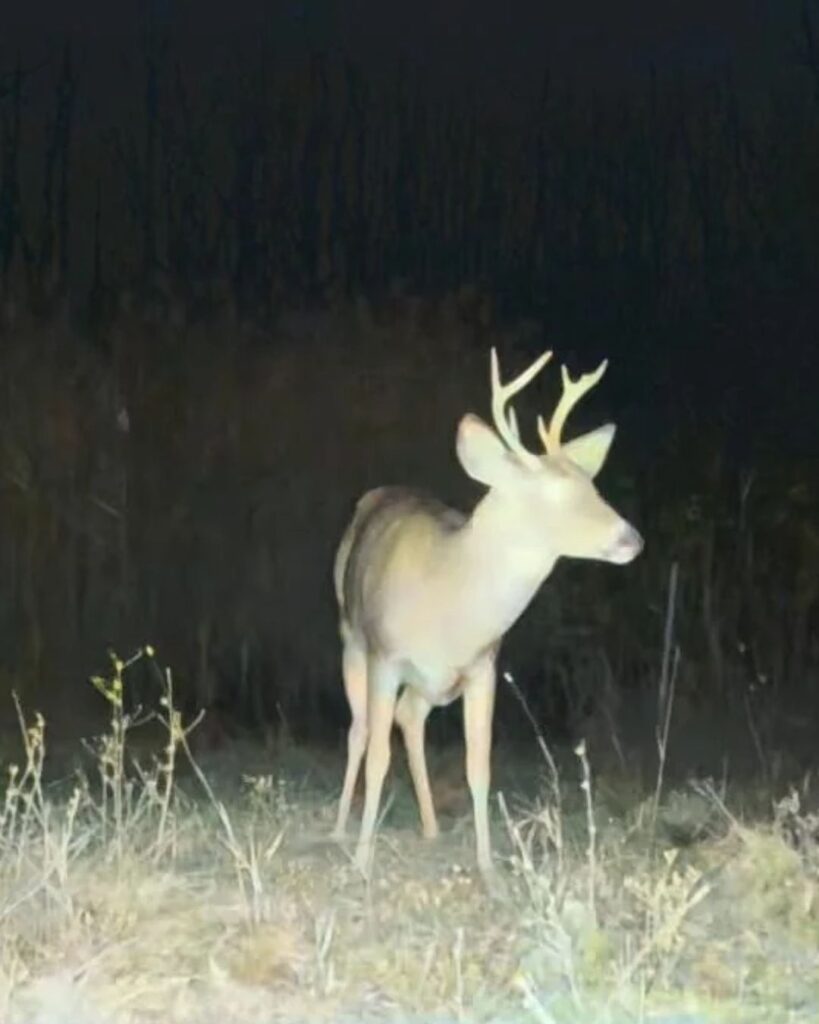
Those signs do not prove that a deer has CWD. Other diseases, injuries, and poor nutrition can cause similar problems. A photograph or trail camera video cannot confirm it, and a healthy-looking deer can still be infected. Laboratory testing is needed.
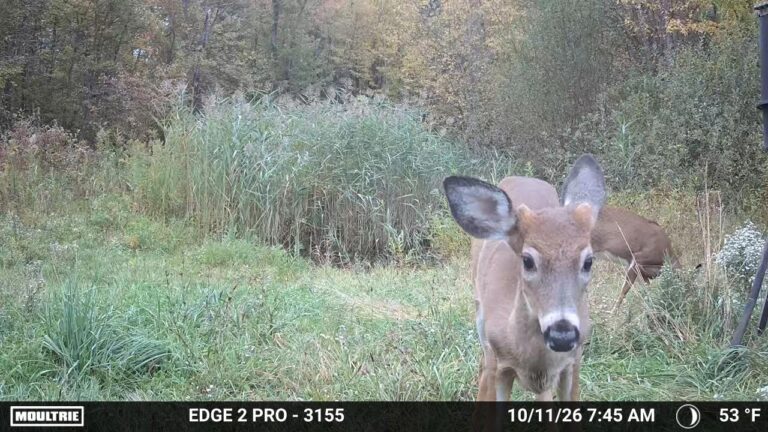
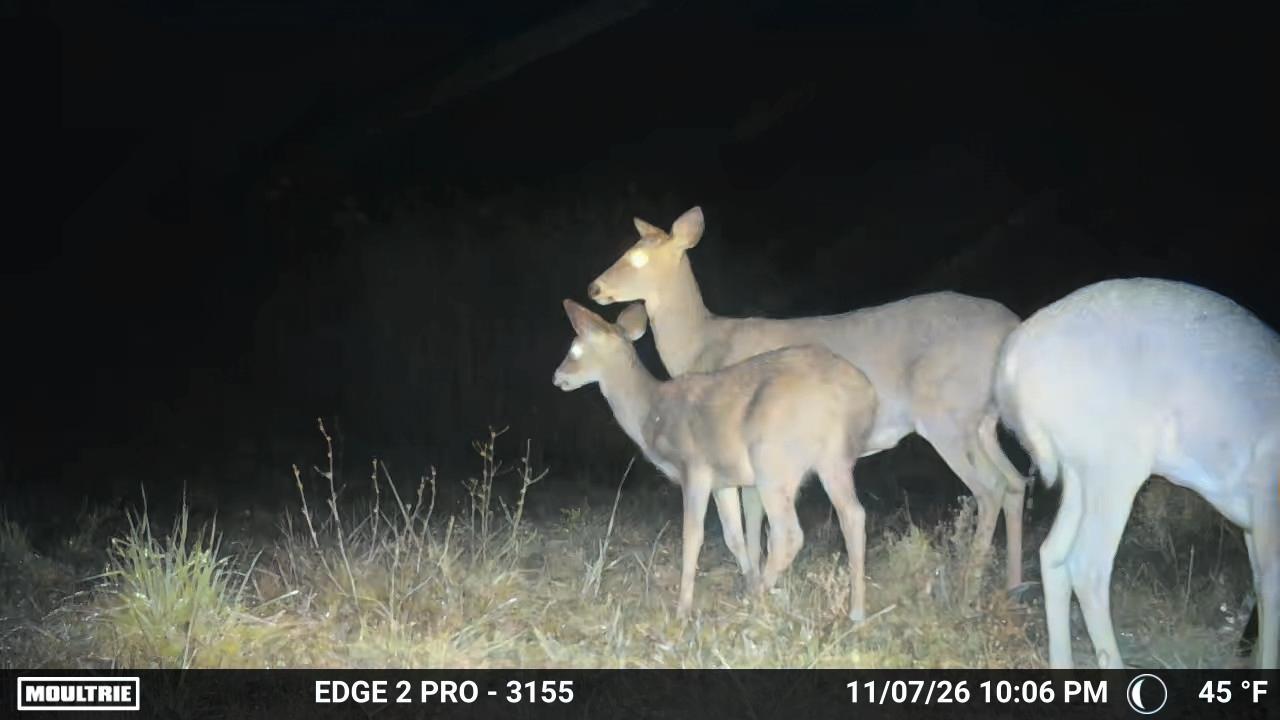
That also means a deer standing still long enough for a good picture is not automatically sick. The concern is an animal that seems weak, confused, unusually thin, or otherwise behaves abnormally. DEC asks people to report those deer to a regional wildlife office or an Environmental Conservation Officer.
What the Latest New York Case Means
As of November 10, 2026, DEC’s containment area includes six Livingston County towns: Conesus, Groveland, North Dansville, Sparta, Springwater, and West Sparta. Hunters must submit samples from all deer harvested within that area for CWD testing.
DEC has also announced restrictions on moving whole deer and high-risk carcass parts out of the area, with permit requirements for transport to outside processors or taxidermists. Hunters should check DEC’s current CWD guidance before moving a deer. The boundaries and instructions may change as testing continues.
One positive deer does not tell us how many others are infected. The additional testing will help DEC determine how far the disease has spread and what needs to happen next.
Feeding Deer Can Make the Problem Worse
Putting out food brings deer together at the same spot, often day after day. That increases contact between animals and makes spreading disease easier. Intentionally feeding wild deer and moose is illegal in New York, and the prohibition includes edible mineral attractants.
I understand the appeal of getting deer close enough to watch and photograph. We enjoy seeing them here, too. But with a disease that can linger in the soil for years, a shared feeding spot can create problems that last far longer than the food does.
Can People Get Chronic Wasting Disease?
No human cases of CWD have been reported. Scientists are still studying the possible risk from handling infected animals or eating their meat, so that does not give us a reason to ignore it. The CDC advises against eating meat from an animal that tests positive.
Cooking does not inactivate CWD prions. This is not something that can be fixed by cooking venison longer or bringing it to a higher temperature. Testing matters because appearance alone cannot show that a deer is free of the disease.
For deer harvested in New York outside the mandatory testing area, Cornell offers testing for a fee. Its hunter testing page explains what to submit and how to handle the sample. Read those instructions promptly after harvest, since the lab asks for fresh samples and says not to freeze the head.
Helping protect the deer around us
There are practical things people can do. Report sick or strangely behaving deer, avoid feeding them, and follow the rules for transporting deer and disposing of carcass parts. DEC also recommends synthetic hunting scents instead of natural deer urine products, which can contain infectious prions.
Once CWD becomes established in a wild deer population, getting rid of it is extremely difficult. Finding it early and limiting its spread gives wildlife managers a better chance of protecting the herd.
I want to keep watching the fawns grow up here. I also want healthy deer on this property years from now. Paying attention to a disease like this is part of caring about the wildlife we enjoy.
🌿 Gear Up for a Bee-Friendly Garden
Contains affiliate links, for full disclosure, see FTC Disclosure, here.
Looking for tools that actually work?
We’ve pulled together our favorite picks for beekeeping, gardening, and pollinator-friendly seeds—everything you need to support bees and grow a thriving space.
Browse the full list on Amazon — all in one spot.