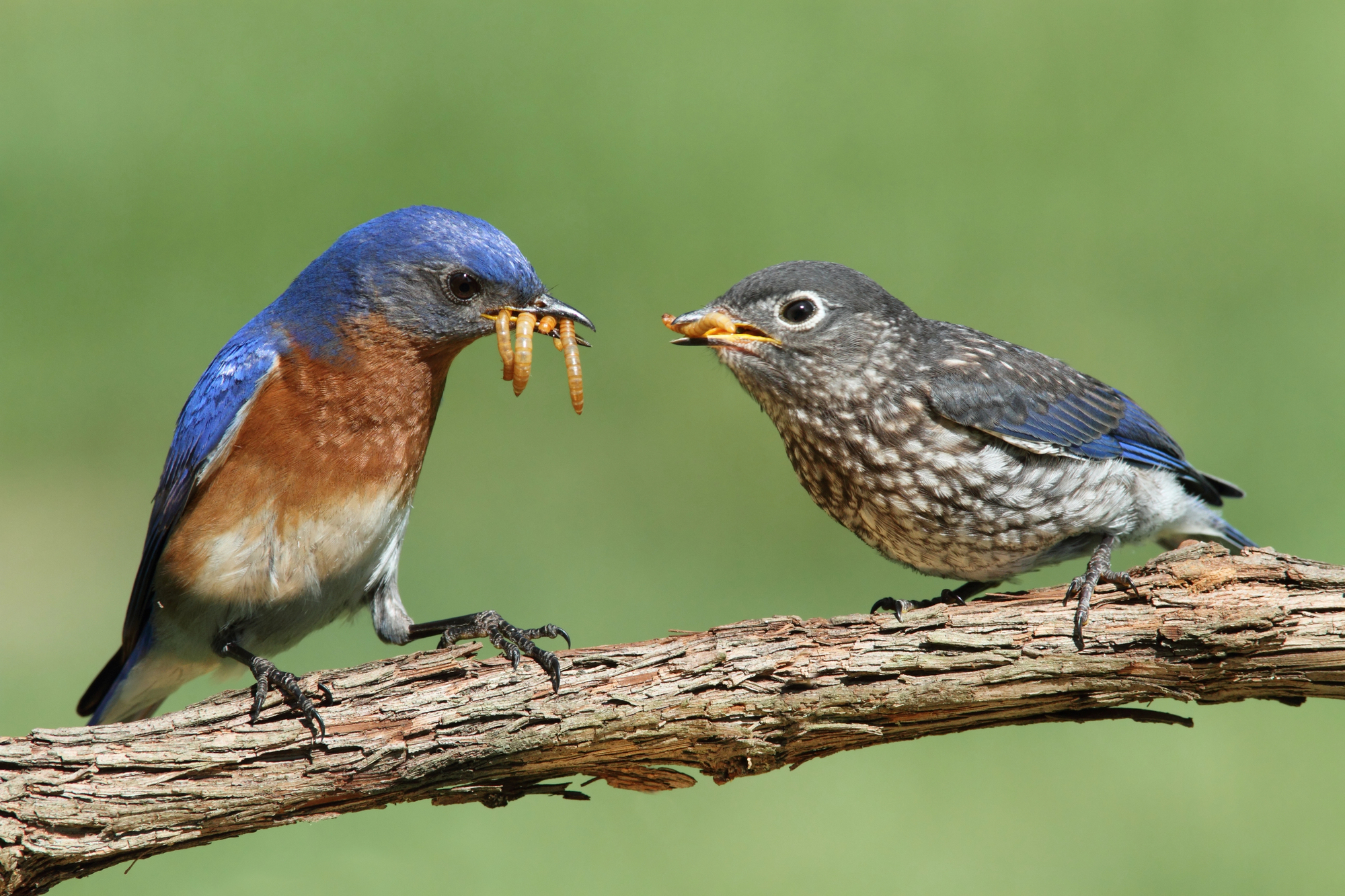
Bluebirds are one of the most beloved backyard birds in North America. Their bright blue feathers, cheerful songs, and willingness to use nest boxes have made them a favorite among birdwatchers. But simply putting up a bluebird house does not guarantee success.
Bluebird house placement plays a major role in whether a pair chooses your box or moves on to another location. A poorly placed nest box may sit empty for years, while one installed in the right spot can attract nesting bluebirds season after season. Fortunately, a few simple guidelines can dramatically improve your chances.
Why Bluebird House Placement Matters
Bluebirds evolved in open habitats such as meadows, pastures, old orchards, and field edges. Unlike some birds that prefer dense woods, bluebirds need open areas where they can easily spot insects and watch for predators. When selecting a nesting site, bluebirds look for a safe location with good visibility and easy access to feeding areas. A nest box that mimics these natural conditions is far more likely to attract a nesting pair.
Where Should a Bluebird House Be Placed?
The best location for a bluebird house is in an open area with short grass or low vegetation nearby.
Ideal locations include:
- Open fields
- Large lawns
- Pastures
- Meadow edges
- Orchards
- Wildlife plantings
Avoid placing bluebird houses deep inside wooded areas. Bluebirds generally prefer open spaces where they can hunt insects and keep an eye on their surroundings. At Bees Haven, our most successful bluebird boxes are located near open fields.
How High Should a Bluebird House Be?
Most experts recommend mounting a bluebird house between 4 and 6 feet above the ground. This height makes it easy for bluebirds to access the box while still allowing for convenient monitoring and cleaning. Boxes mounted much higher can be difficult to maintain. Boxes placed too low may be more vulnerable to predators and disturbance.
Which Direction Should a Bluebird House Face?
There is no perfect direction for every property, but many bluebird organizations recommend facing the entrance east or southeast whenever possible. This orientation helps reduce exposure to strong prevailing winds and intense afternoon sun.
Local conditions matter more than compass direction alone. If a box faces a beautiful open field but points west, it may still outperform a box facing east toward dense woods. The most important factor is providing bluebirds with a clear flight path and open habitat. Our largest mowed area faces north and west, so our house faces almost due north, but it is protected from large wind storms by the house and large trees nearby.
Can You Put a Bluebird House on a Tree?
Many people assume birdhouses belong on trees, but bluebird houses generally perform better when mounted on poles.
Trees provide easy access for predators such as:
- Raccoons
- Squirrels
- Snakes
- Cats
A smooth metal pole combined with a predator guard offers much better protection. Bluebird conservation groups strongly recommend pole mounting whenever possible.
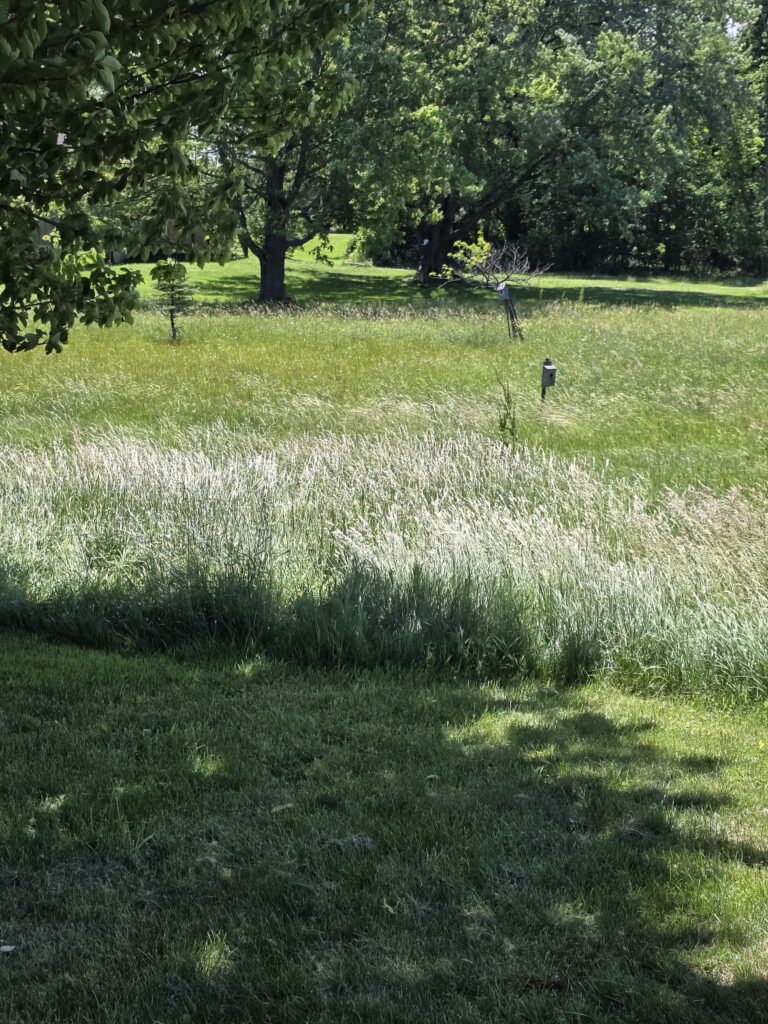
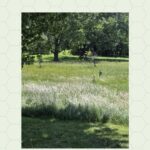
The field in the above photo is mowed 2-3 times per year to keep it short so the bluebirds can find food. The second house in the distance was added because the bluebirds had competition from a tree swallow.
Use a Predator Guard
Predator guards are one of the simplest ways to improve nesting success. A predator guard helps prevent raccoons, snakes, and other animals from reaching eggs and nestlings.
Common options include:
- Stovepipe baffles
- Cone baffles
- Noel guards
A properly installed predator guard can dramatically increase the number of young bluebirds that successfully leave the nest.
How Far Apart Should Bluebird Houses Be?
Bluebirds are territorial during nesting season. A single bluebird house should usually be placed at least 100 yards from another occupied bluebird box. However, many bluebird enthusiasts use paired boxes placed 15 to 25 feet apart. This arrangement can allow bluebirds and tree swallows to nest in the same area while reducing competition between the species.
When Should You Put Up a Bluebird House?
The best time to install a bluebird house is before the nesting season begins. In much of the United States, late winter and early spring are ideal.
That said, it is never really too late to put up a bluebird box. Bluebirds often raise multiple broods in a season and may begin using a new box shortly after it is installed.
Common Bluebird House Placement Mistakes
- Mounting the Box on a Tree: Tree-mounted boxes are more vulnerable to predators and often experience lower nesting success.
- Placing the Box in Dense Woods: Bluebirds prefer open habitats rather than heavily wooded areas.
- Skipping the Predator Guard: A predator guard may be the difference between a successful nest and a failed one.
- Mounting the Box Too Close to Feeders: Busy bird feeders attract species that may compete with bluebirds for nesting sites.
- Ignoring Maintenance: Nest boxes should be cleaned between broods and inspected regularly for damage.
What to Expect After Installation
Do not be discouraged if bluebirds do not move in immediately. Some boxes remain vacant for a season before attracting tenants. Others may be occupied within days. Patience is often part of the process.
The biggest competition for bluebirds is tree swallows and kingbirds. These birds are larger and will often chase bluebirds out of their houses and use them for their own. While they are beautiful as well, if you run into this problem, install another house for the competing bird.
Once bluebirds discover a safe nesting location, they frequently return year after year and may even raise multiple broods during a single season. We’ve had birds that produced and fledged three broods in a single year. A properly placed bluebird house can provide years of enjoyment while helping support one of North America’s most beautiful native birds.
Related Reading
🌿 Gear Up for a Bee-Friendly Garden
Contains affiliate links, for full disclosure, see FTC Disclosure, here.
Looking for tools that actually work?
We’ve pulled together our favorite picks for beekeeping, gardening, and pollinator-friendly seeds—everything you need to support bees and grow a thriving space.
Browse the full list on Amazon — all in one spot.