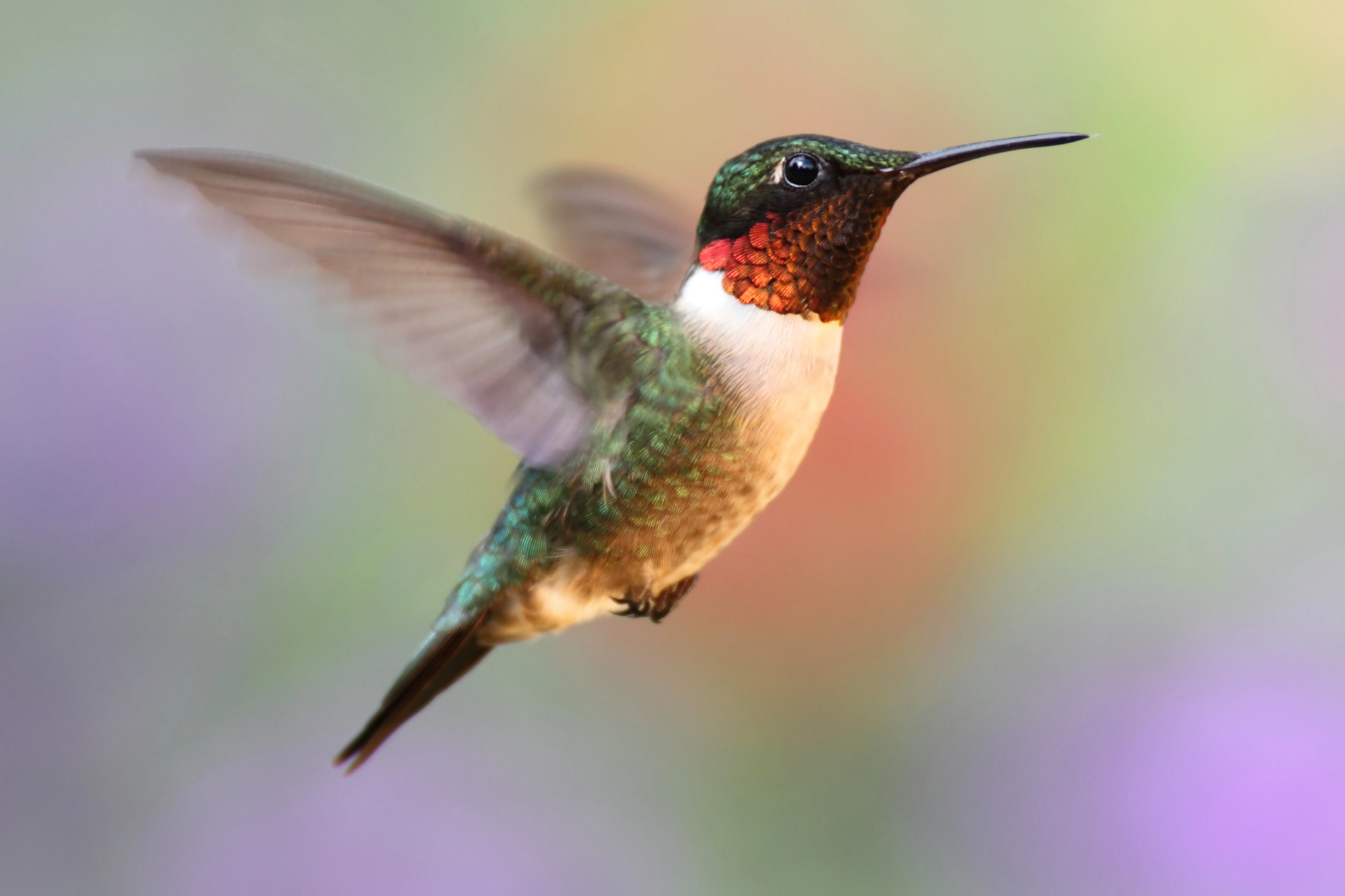
If you have ever watched a hummingbird zip around your yard all day, you may have wondered where it goes after sunset. These tiny birds seem to be in constant motion, darting between flowers and feeders without ever slowing down.
The truth is that hummingbirds need rest just like every other bird. Once evening arrives, they find a safe place to settle in for the night. What happens next is one of the most fascinating survival strategies in the bird world.
Hummingbirds Need More Than Food
Most people focus on providing nectar for hummingbirds, but food is only part of the picture. Hummingbirds also need safe places to rest, hide from predators, and escape bad weather.
During the day, they may spend hours feeding and defending their territory. By nightfall, they are ready to conserve energy and recover for the next day.
Because they are so small, hummingbirds lose body heat quickly. Finding a sheltered place to sleep is an important part of their survival.
Where Do Hummingbirds Sleep?
Hummingbirds usually sleep on small branches tucked inside trees or shrubs. They often choose locations that provide protection from wind, rain, and predators.
Some common sleeping spots include:
- Evergreen trees
- Dense shrubs
- Small tree branches
- Vines and thick vegetation
- Sheltered areas near gardens
Unlike some birds, hummingbirds do not gather in large flocks to sleep. Most spend the night alone on a perch hidden among leaves and branches.
You may have hummingbirds visiting your feeder every day without ever noticing where they spend the night.
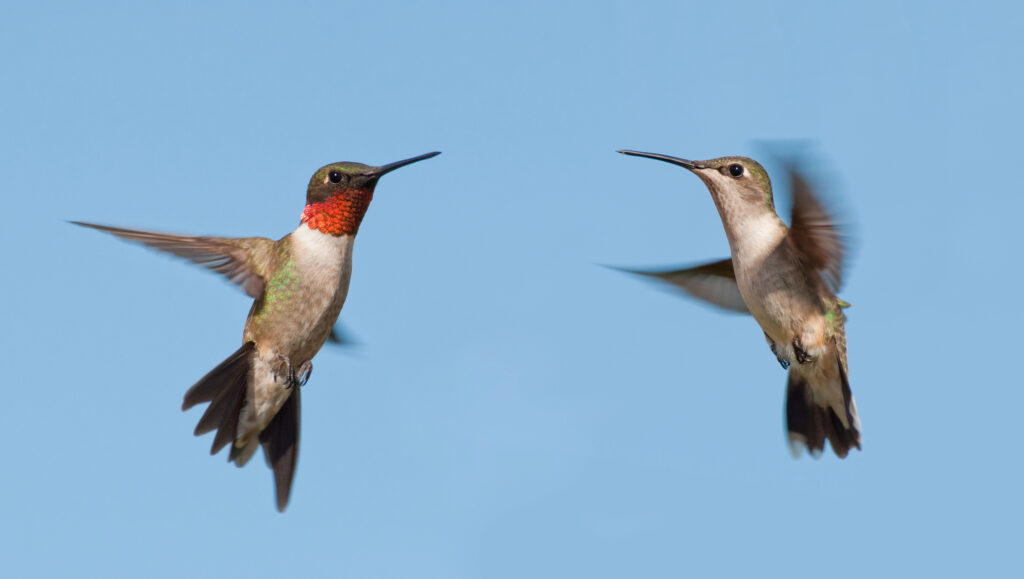
The Amazing Secret Called Torpor
One reason hummingbirds can survive despite their tiny size is a process called torpor.
Torpor is a state similar to a very deep sleep. During this period, a hummingbird’s body dramatically slows down to conserve energy.
While in torpor:
- Heart rate drops significantly
- Breathing becomes slower
- Body temperature may fall by 50°F or more
- They can appear dead
- It can take 20–60 minutes to fully wake up
This adaptation is important because hummingbirds burn enormous amounts of energy during the day. They can consume more than half their body weight in nectar and insects daily.
Without torpor, many hummingbirds would struggle to make it through the night, especially during cool weather.
Can Hummingbirds Sleep in Feeders?
Although it may seem convenient, hummingbirds rarely sleep on or in feeders.
Feeders are exposed and offer little protection from the weather or predators. Instead, hummingbirds usually choose hidden perches where they can remain unnoticed until morning.
A feeder may provide the fuel they need before nightfall, but it is not typically where they spend the night.
How Can You Help Hummingbirds Rest Safely?
Creating a hummingbird-friendly yard involves more than hanging a feeder.
You can provide a better habitat by:
- Planting native trees and shrubs
- Leaving some dense vegetation in place
- Reducing unnecessary outdoor lighting
- Providing a variety of flowering plants
- Avoiding excessive trimming during nesting season
Natural cover gives hummingbirds places to rest, hide, and shelter during storms.
Why Shelter Matters as Much as Nectar
When people think about helping hummingbirds, they usually think about food. Nectar-rich flowers and feeders are important, but safe shelter is just as valuable.
A yard that offers both food and protection gives hummingbirds everything they need to thrive. The next time you see one buzzing around your garden, remember that after sunset it will likely disappear into a nearby tree or shrub, settling in for the night and preparing for another busy day.
Plants Hummingbirds Love for Food and Shelter
A hummingbird-friendly yard does more than provide nectar. The best habitats offer both food and safe places to rest.
Many of the same plants that attract hummingbirds during the day also provide cover at night. Trees, shrubs, and dense plantings help shield these tiny birds from wind, rain, and predators.
Some excellent choices include:
Bee Balm
Bee balm is one of the most reliable hummingbird plants. Its bright red, pink, or purple flowers are rich in nectar and bloom during the busy summer feeding season.
The dense growth also provides cover for insects that hummingbirds eat as part of their diet.
Cardinal Flower
Native cardinal flower produces brilliant red blooms that seem designed specifically for hummingbirds. The tubular flowers are easy for them to access but difficult for many other pollinators.
This native perennial performs well in moist areas and can become a favorite feeding stop during migration.
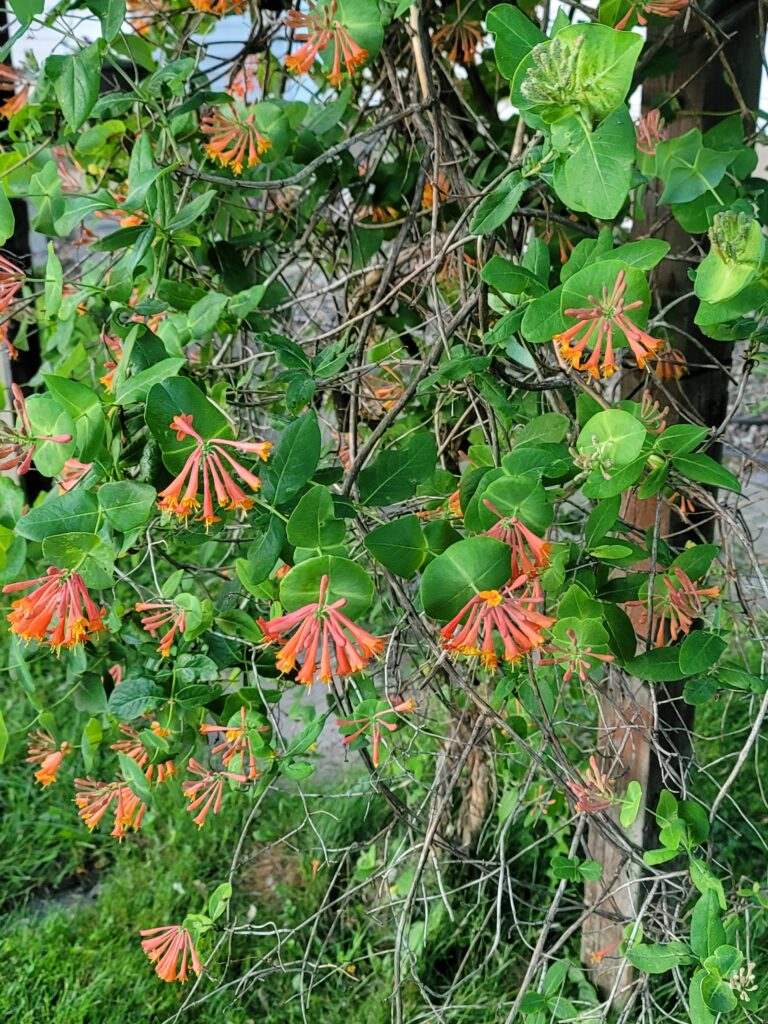
Trumpet Honeysuckle
Unlike invasive Japanese honeysuckle, native trumpet honeysuckle is a valuable wildlife plant. Its long red-orange flowers provide nectar throughout much of the growing season.
The vine’s dense growth can also create sheltered areas nearby.
Serviceberry
Serviceberry offers much more than spring flowers. Its branching structure provides perching opportunities, nesting locations, and shelter throughout the year.
The berries also support many other bird species, making it a valuable addition to a wildlife-friendly landscape.
Eastern Red Cedar and Other Evergreens
Evergreens may not produce nectar, but they are among the best places for hummingbirds to hide and rest.
Their dense foliage provides year-round protection from weather and predators. Many hummingbirds choose concealed branches within evergreens as nighttime roosting sites.
Native Shrubs
Dogwoods, viburnums, and other native shrubs create the kind of layered habitat hummingbirds naturally seek out.
A yard with flowers, shrubs, and trees offers far more value than a yard that contains only a feeder.
Think Beyond the Feeder
A feeder can attract hummingbirds, but plants keep them coming back. When your yard provides nectar, insects, shelter, and safe resting places, it becomes part of the habitat they depend on throughout the season.
That combination is often what turns an occasional visitor into a regular guest.
Frequently Asked Questions
Not always. Hummingbirds often return to favorite feeding areas and may use the same general resting spots repeatedly. However, they can choose different perches depending on weather conditions, predator activity, and food availability.
Most hummingbirds spend the night perched in trees, shrubs, or other sheltered vegetation. They look for locations that protect them from wind, rain, and predators while they rest.
Adult hummingbirds usually do not sleep in nests unless they are actively incubating eggs or caring for young chicks. Once nesting duties are finished, they typically sleep on branches or other protected perches.
Like most birds, hummingbirds generally rest from sunset until sunrise. The exact amount of sleep varies with the season and day length. During this time, many hummingbirds enter torpor to conserve energy.
During rain, hummingbirds seek shelter in dense trees, shrubs, or evergreen branches. Thick vegetation helps protect them from wind and heavy rainfall while allowing them to conserve body heat.
No. Hummingbirds normally sleep while perched on a branch. However, when they enter a deep state of torpor, they may appear to droop forward or hang at an unusual angle, causing some people to think they are upside down.
Hummingbirds rarely feed after dark because they rely heavily on sight to locate flowers and feeders. Instead, they spend the night resting and conserving energy until sunrise.
In areas where hummingbirds remain year-round, they use sheltered trees, shrubs, and evergreen cover during winter. Torpor becomes even more important during cold weather because it helps them survive long nights and lower temperatures.
Related Articles
🌿 Gear Up for a Bee-Friendly Garden
Contains affiliate links, for full disclosure, see FTC Disclosure, here.
Looking for tools that actually work?
We’ve pulled together our favorite picks for beekeeping, gardening, and pollinator-friendly seeds—everything you need to support bees and grow a thriving space.
Browse the full list on Amazon — all in one spot.