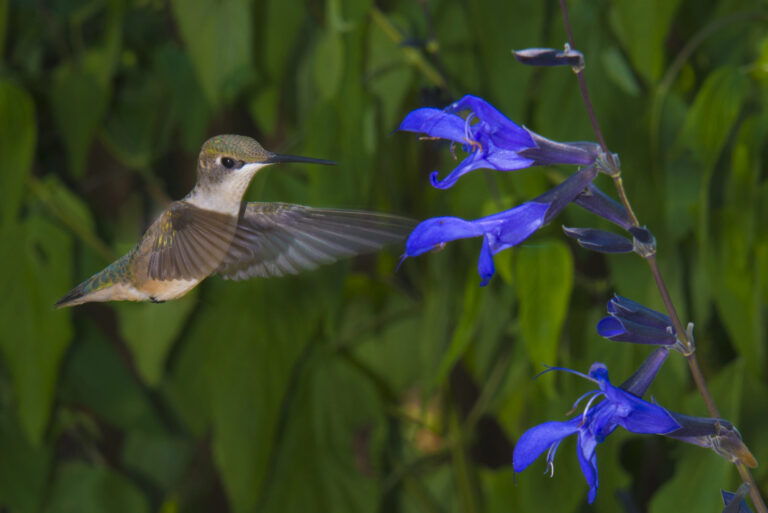
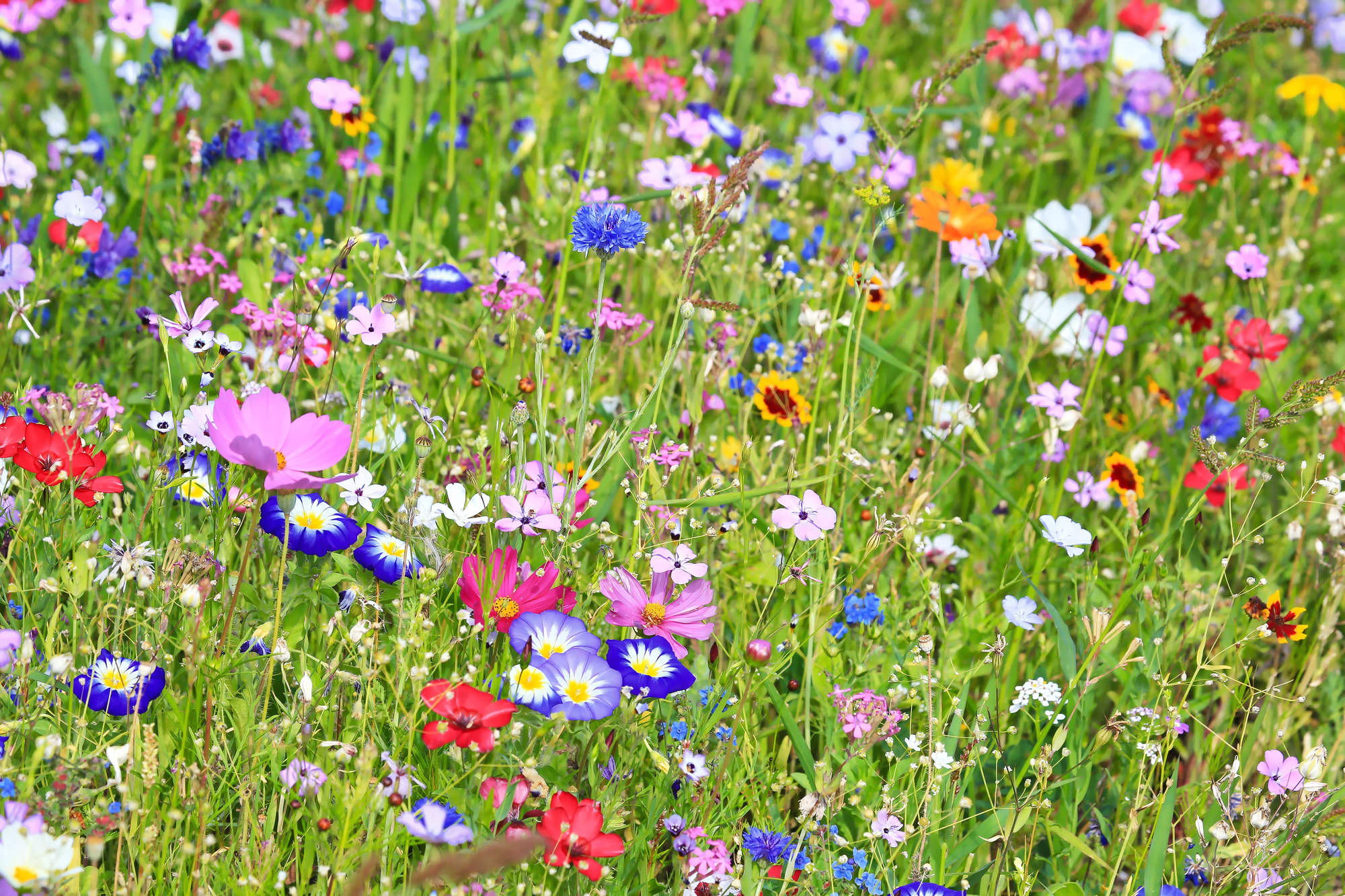
Planting native plants for pollinators is one of the easiest and most impactful ways to support bees, butterflies, and other beneficial wildlife in your yard.
When it comes to helping pollinators, planting native species is one of the easiest and most impactful steps you can take. Unlike ornamentals bred for show, native plants evolved alongside local bees, butterflies, and birds. They provide real food, real habitat, and real results for struggling pollinators.
This list focuses on native and naturalized plants that grow right here at Bees Haven in New York. All of them thrive in similar Northeastern habitats, from meadows to wet woodlands. If you want to fill your yard with flowers that support pollinators all season long, these species are a great place to start.
Common Milkweed (Asclepias syriaca)

Milkweed is a must-have for pollinator gardens. Its large pink flower clusters feed a wide variety of bees and butterflies. It also serves as the primary host plant for monarch caterpillars.
Butterfly Weed (Asclepias tuberosa)

This bright orange milkweed blooms in midsummer. It’s drought-tolerant and highly attractive to native bees, swallowtails, and skippers.
New England Aster (Symphyotrichum novae-angliae)

Asters are a critical late-season resource for pollinators. New England aster blooms from late summer into fall, providing nectar just when bees need it most.
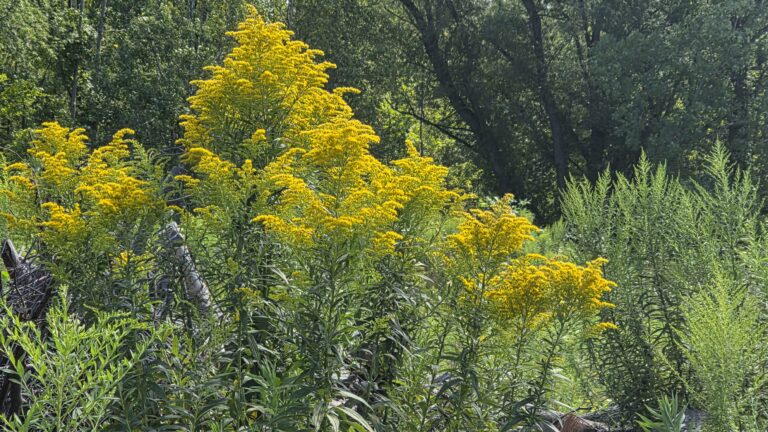
Goldenrod (Solidago altissima / canadensis)

Goldenrod is a keystone species for fall pollinators. It supports native bees, butterflies, beetles, and beneficial wasps with its bright yellow flowers.
Black-Eyed Susan (Rudbeckia hirta)

These cheerful yellow flowers bloom throughout summer. They attract a variety of bees and also provide habitat for beneficial pollinating beetles.
Joe-Pye Weed (Eutrochium purpureum)
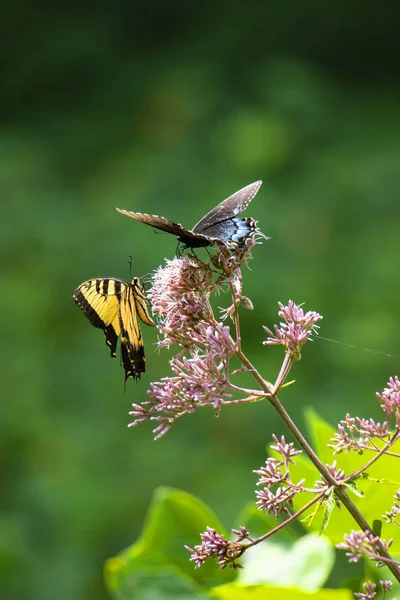
Joe-Pye Weed produces tall purple flower heads that draw in pollinators like butterflies, bees, and hummingbird moths during midsummer.
Wild Bergamot (Monarda fistulosa)

Also known as bee balm, this native mint blooms in midsummer with lavender flowers. It attracts bumblebees, honeybees, and hummingbirds.
Blue Vervain (Verbena hastata)

This spiky purple wildflower blooms in midsummer. It’s a favorite of small native bees and butterflies that visit its upright flower spikes.
Wild Lupine (Lupinus perennis)

Wild Lupine blooms early in the season and provides food for bumblebees and specialist butterflies like the endangered Karner blue.
Silky Dogwood (Cornus amomum)

This native shrub produces clusters of white flowers in early summer. It feeds native bees and also provides nesting cover for birds.
Black Willow (Salix nigra)
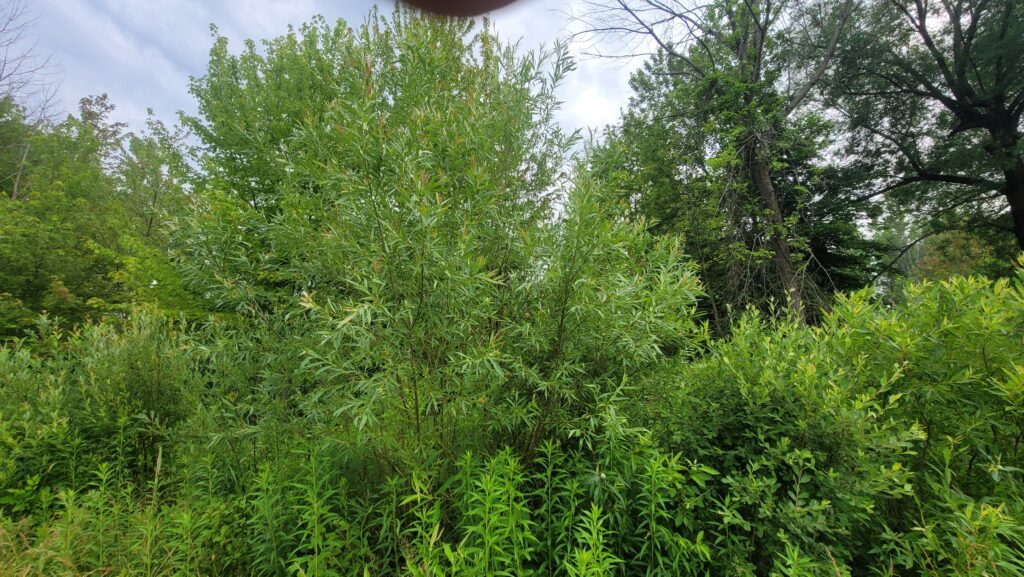
Black Willow is one of the first native plants to bloom in spring. Its pollen-rich catkins are vital for queen bumblebees and early pollinators.
Oxeye Daisy (Leucanthemum vulgare, naturalized)

Oxeye daisies fill summer meadows with white and yellow blooms. While technically non-native, they provide nectar for bees, flies, and butterflies and are common in field ecosystems.
Perennial Pea (Lathyrus latifolius, naturalized)

While not native, the perennial pea has become naturalized in many fields and roadsides. Its pink flowers provide nectar for bees and butterflies at field edges.
Help Pollinators Thrive
These native plants for pollinators create a real habitat for bees, butterflies and other pollinators. Leave some stems standing in fall for nesting bees, avoid pesticides, and aim for continuous bloom from spring through fall.
Penn State Extension’s “Planting Pollinator‑Friendly Gardens” guide highlights that “one of the most important ways you can help pollinators is by provisioning your yard with many different kinds of plants that provide pollen and nectar” and reminds gardeners to include larval host plants for butterflies as well
For more tips on supporting pollinators, visit the Bee Needs section of Bees Haven. Don’t miss our article on 15 of the Best Flowers for Bees They’d Swipe Right On
🌿 Gear Up for a Bee-Friendly Garden
Contains affiliate links, for full disclosure, see FTC Disclosure, here.
Looking for tools that actually work?
We’ve pulled together our favorite picks for beekeeping, gardening, and pollinator-friendly seeds—everything you need to support bees and grow a thriving space.
Browse the full list on Amazon — all in one spot.