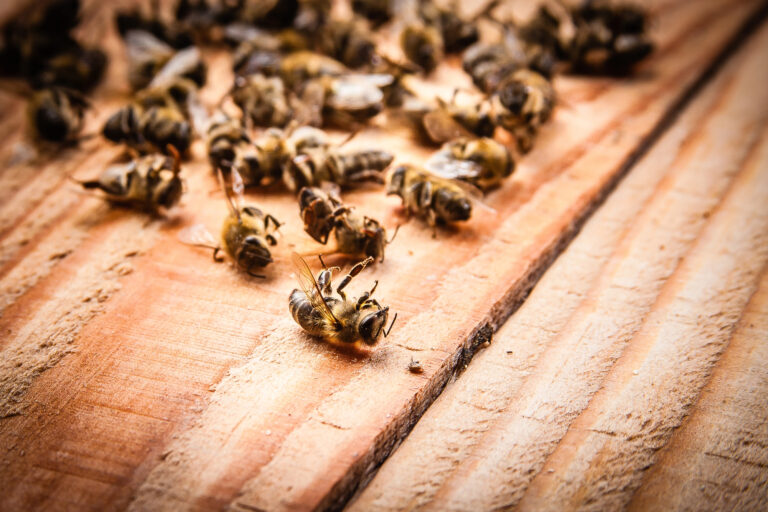


Looking for bee-friendly pest control that actually works? Integrated Pest Management (IPM) gives you a smarter way to deal with garden pests, without harming the pollinators you’re trying to protect. This post breaks it down in plain terms.
IPM is a common-sense way to handle pests using observation, prevention, and the gentlest fixes first. You only reach for harsher tools when you really need them, and even then, you do it with timing and care.
Here’s how it works.
Step 1: Know What You’re Dealing With
Not every bug is a bad bug. Some of them are pollinators. Some eat the pests for you. Before you spray or squish, figure out what the insect actually is.
Examples:
- Ladybugs eat aphids.
- Hoverflies pollinate and eat small pests.
- Big, scary-looking wasps might be native and totally harmless to you.
If you’re not sure, snap a photo and check with a local extension office or trusted garden site.
Step 2: Set a Threshold
IPM isn’t about zero bugs. It’s about balance. Ask yourself: Is this really a problem, or just a few chewed leaves?
If the plant is still growing fine, it may not be worth doing anything at all. Sometimes, doing nothing is the best move for your yard’s health.

Step 3: Try Prevention First
Before pests even show up, you can make it harder for them to take hold.
Preventive moves:
- Rotate (don’t plant the same type of plant in the same place) your crops year to year.
- Mix things up; monoculture (planting just one thing) invites pests.
- Use floating row covers (thin mesh to cover young plants and protect them) until they flower.
- Water early in the day to avoid fungus problems.
- Keep plants healthy by removing weeds and fertilizing according to the crop’s needs.
Healthy plants can fight off pests better than stressed ones.
Step 4: Use Physical Methods
Still have pests? Start with hands-on solutions.
Try these:
- Blast aphids off with a hose.
- Hand-pick larger pests like tomato hornworms. Feed them to your chickens.
- Prune off heavily infested branches.
No sprays needed, and you’re not harming bees in the process.
Step 5: Bring in the Good Guys
Encourage or release beneficial insects that will do the dirty work for you.
Helpful allies:
Contains affiliate links, for full disclosure, see FTC Disclosure, here.
You can buy these online, but creating habitat for them with native plants often works better and costs nothing.
Step 6: Use Targeted Treatments as a Last Resort
If the infestation is out of control and your plants are in real trouble, go for the mildest option that works.
Safe-ish options (still use with care):
- Neem oil – Targets soft-bodied bugs but still avoid spraying near blooms.
- Insecticidal soap – Only works on contact. Won’t stay around long.
- Bacillus thuringiensis (Bt) – A bacteria that targets specific caterpillars. Only use on true pests, not near butterfly host plants.
Never spray during bloom and avoid dusk and dawn when pollinators are active.
Our essential gardening tools guide walks you through the must-haves to make planting easier and faster and can help with the physical methods for pest control.
🌿 Gear Up for a Bee-Friendly Garden
Contains affiliate links, for full disclosure, see FTC Disclosure, here.
Looking for tools that actually work?
We’ve pulled together our favorite picks for beekeeping, gardening, and pollinator-friendly seeds—everything you need to support bees and grow a thriving space.
Browse the full list on Amazon — all in one spot.