Hummingbirds depend on frequent nectar stops because their energy use is extremely high. They feed many times a day and travel set routes, known as feeding circuits, across the spaces they trust. Container gardens can play an essential role in these circuits by providing concentrated pockets of nectar-rich blooms in urban and suburban areas where natural habitat is limited.
Why Hummingbirds Rely on Specific Flowers
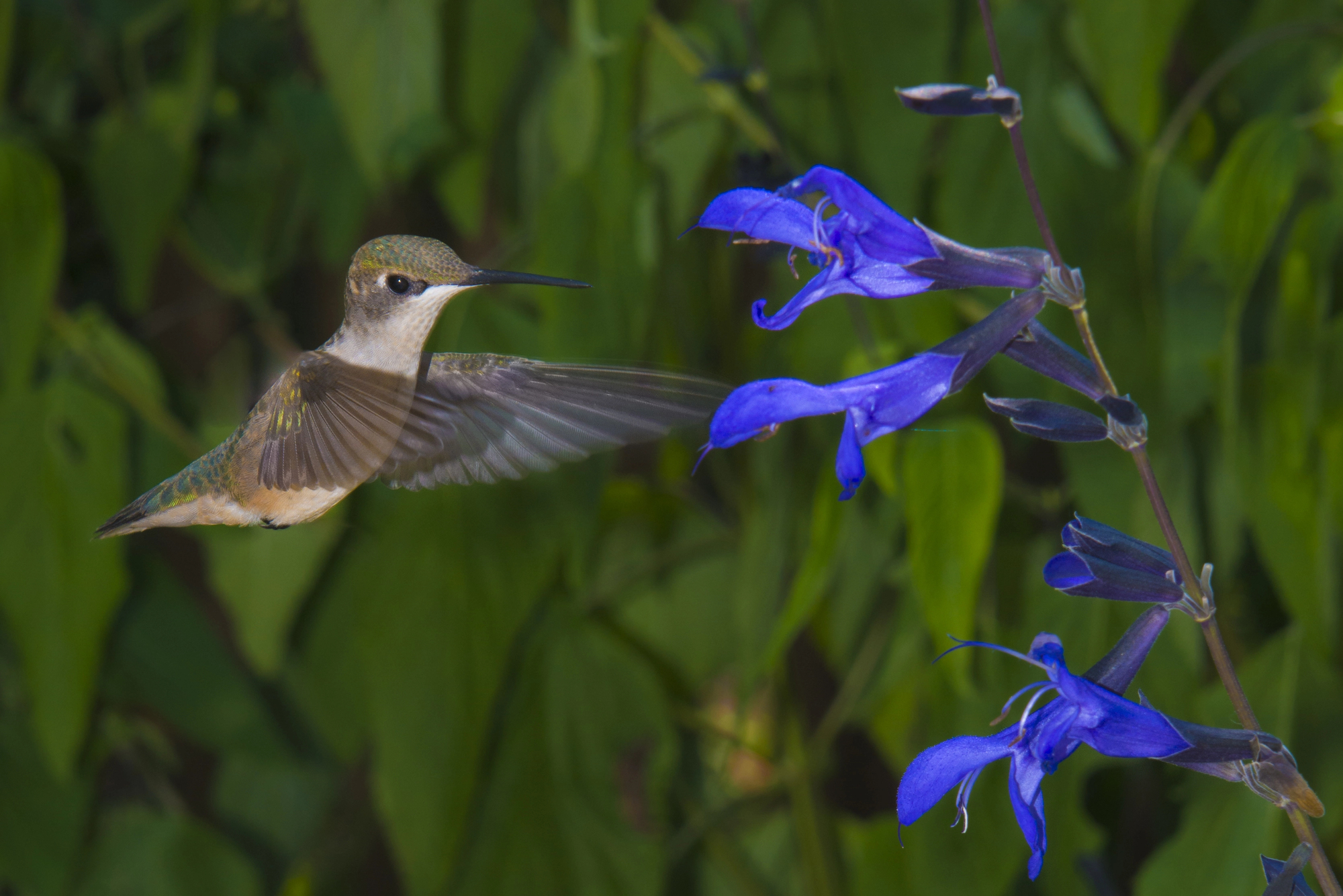
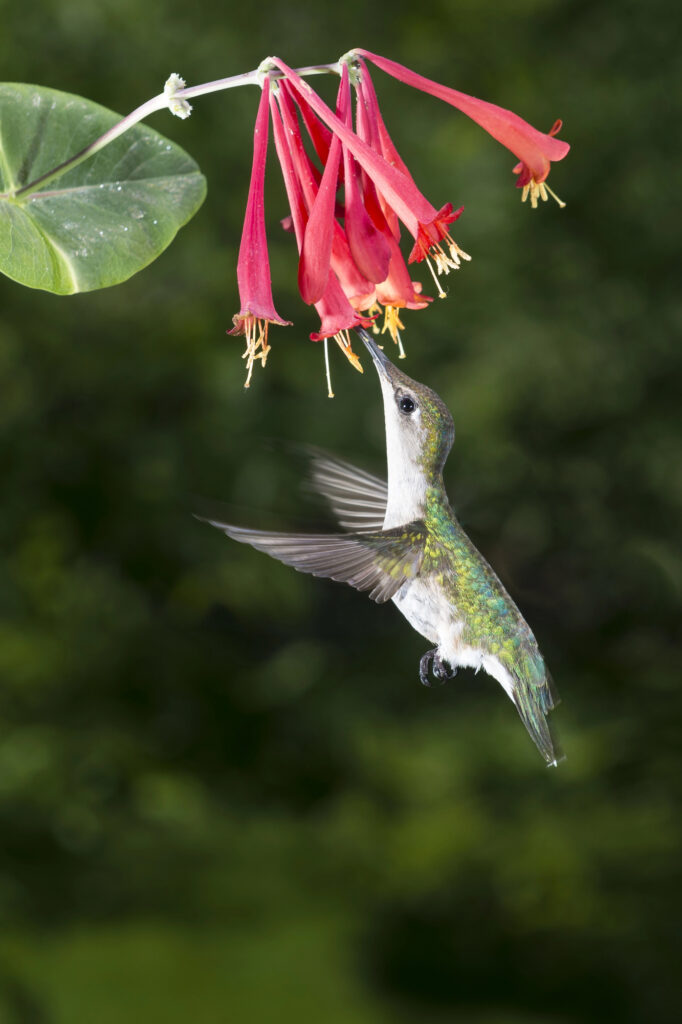
Hummingbirds respond strongly to flower shape and color. Tube-shaped blooms hold nectar deep inside the flower, which matches the length of a hummingbird’s bill and tongue. Red, orange, and saturated pink flowers are most effective because hummingbirds see these wavelengths well. Unlike bees, they do not rely on scent. This makes color and shape the main cues for locating food.
Container plants with tubular blooms provide steady access because they continue to produce flowers even in small growing spaces. Grouping these plants helps hummingbirds feed quickly without burning extra energy searching from pot to pot.
How Containers Fit into Feeding Circuits
A good container setup becomes a predictable stop that hummingbirds return to throughout the season. Because pots can be moved, gardeners can adjust exposure to ensure reliable flowering. Full sun strengthens nectar production, while part shade supports plants that struggle in heat but still feed hummingbirds.
Nectar production depends on overall plant health. Containers help maintain moisture, prevent root crowding, and support continuous growth, which is necessary to produce enough nectar for frequent visits.
Plant Traits That Support Hummingbirds
Hummingbirds prefer plants that:
• produce nectar consistently
• offer tubular or narrowly flared blooms
• grow upright or arching stems that allow clear access
• bloom for long periods or in repeated cycles
These traits give hummingbirds safe feeding perches and reduce the energy cost of hovering.
Hummingbirds visit properties with a large number of native plants, according to Audubon.
Common container plants that meet these needs include salvia, cuphea, dwarf bee balm, coral honeysuckle in trellis pots, agastache, and fuchsia for cooler or shaded areas.
Plant Suggestions by Exposure
Full Sun (6+ hours)
Salvia
Cuphea
Agastache
Dwarf bee balm
Red yucca in oversized containers
Coral honeysuckle (with support)
Part Sun / Part Shade (3–5 hours)
Fuchsia
Coral honeysuckle
Columbine
Certain cuphea varieties
Dwarf varieties of penstemon suited for lower light
Hosta
These plants maintain nectar production in moderate light, making them good options for porches and balconies that lose sun early in the day.
Height and Structure Matter
Hummingbirds use space differently than bees or butterflies. They need clear flight paths and open lines of sight to avoid predators. Containers with mixed heights help create this structure. Tall salvias or honeysuckle vines give vertical feeding points. Medium-height agastache and bee balm support side feeding. Low plants such as compact cuphea varieties add stability and help stretch bloom time.
This tiered structure encourages hummingbirds to pause rather than pass through, which increases the odds of daily return visits.
Why Container Gardens Help More Than People Expect
Urban landscapes often lack the continuous bloom cycles hummingbirds need. Large gaps form during drought, heat waves, or mid-season plant decline. Containers bridge those gaps because they stay productive when in-ground plants struggle. They also offer nectar during migration periods when birds cover long distances and depend on reliable food sources.
Even a small balcony with two or three well-chosen containers can become part of a hummingbird’s daily route. These predictable nectar sources help local birds and support migrating individuals moving through the region.
Want to learn about container gardening for pollinators? See our posts; Butterfly-Friendly Container Gardens, Bee-Friendly Container Gardening, Pollinator Friendly Container Gardens for Other Pollinators, Butterfly-Friendly Container Gardens, and Bee-Friendly Container Gardening.
🌿 Gear Up for a Bee-Friendly Garden
Contains affiliate links, for full disclosure, see FTC Disclosure, here.
Looking for tools that actually work?
We’ve pulled together our favorite picks for beekeeping, gardening, and pollinator-friendly seeds—everything you need to support bees and grow a thriving space.
Browse the full list on Amazon — all in one spot.