
Container gardens do more than help bees. A well-planned setup can support a wide range of pollinators that each rely on different plant traits. The goal is to create small pockets of nectar, pollen, shelter, and host plants in the places where many people have no soil to work with. Each pollinator group responds to specific colors, shapes, and bloom times, so containers let you match plants to those needs in a tight space.
Butterflies
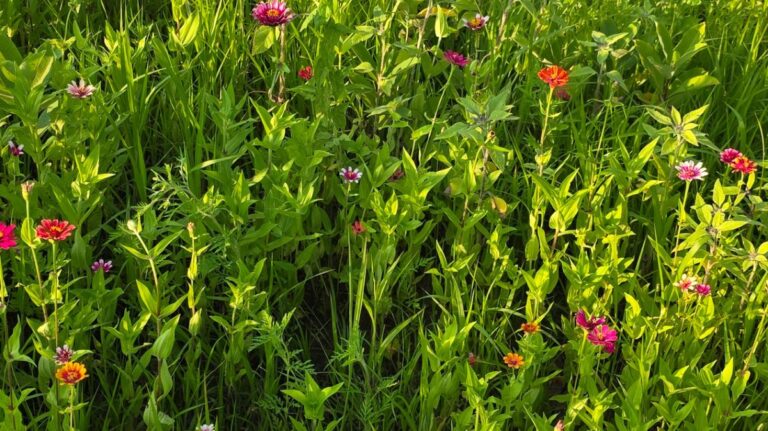
Butterflies need nectar plants and host plants. Nectar plants are the refueling stations. Host plants are where caterpillars grow. Many people plant only nectar sources, which limits the number of species that can stay in the area. Vigorous container nectar plants for butterflies include lantana, pentas, verbena, dwarf butterfly bush, and zinnias. These offer flat landing surfaces and steady blooms. Host plants will depend on the species in your region. Parsley, dill, and fennel work for swallowtails. Milkweed works for monarchs. Even one pot of a host plant can bring in butterflies that would never visit a balcony otherwise. Containers also warm up quickly in the morning, which helps butterflies become active earlier in the day. To learn more, see our post, Butterfly-Friendly Container Gardens .
Moths
Moths are often left out of pollinator discussions, but they play a huge role, especially at night. Many moths feed from tubular blooms that release more scent as the sun goes down. Containers near porches and patios create perfect access points because light and warmth draw them in. Plants that stay attractive for moths include evening primrose, nicotiana, phlox, and honeysuckle varieties suited for pots. These flowers release scent at dusk and stay open through the night. Moths help pollinate night-blooming plants that bees never reach, and containers help bridge the gap when nearby habitat is thin. To learn more, see our post, Moth-Friendly Container Gardens.
Hoverflies
Hoverflies look like small bees but behave differently. They pollinate a wide range of flowers and help control pests because many hoverfly larvae eat aphids. Hoverflies prefer easy access to pollen and nectar on flowers with open centers. Good container plants for them include alyssum, calendula, borage, dill, and yarrow. These plants produce clusters of small blooms that hoverflies can land on without wasting energy. Hoverflies also show up early in the season, so having a few cold-tolerant spring containers helps support them before summer flowers kick in.

Hummingbirds
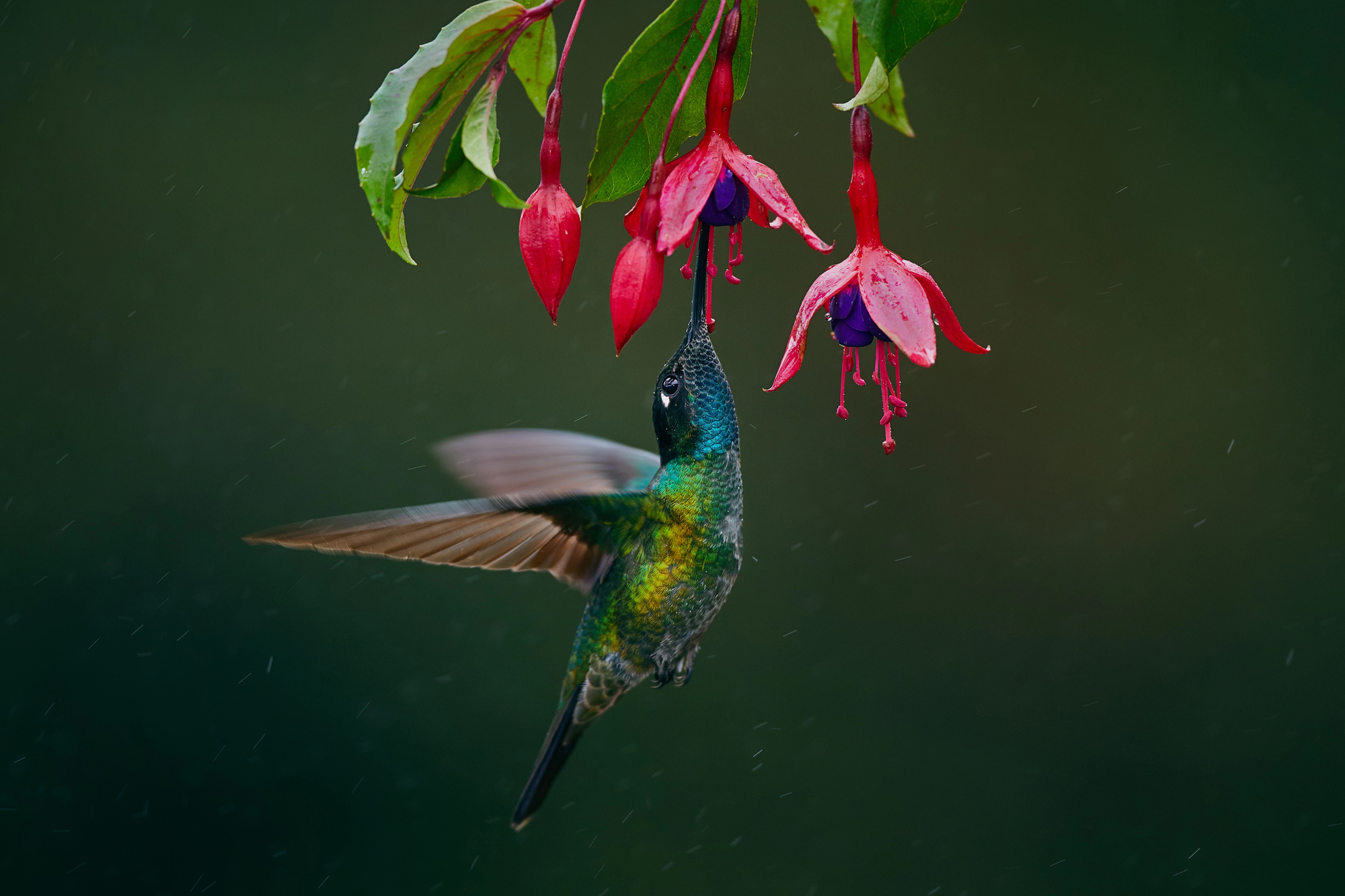
Hummingbirds respond to color and shape more than scent. Tubular red, orange, and deep pink blooms draw them in from a distance. Containers allow you to cluster these plants in a way that gives hummingbirds quick fuel without making them fight for territory. Strong container choices include salvia, coral honeysuckle in a small trellis pot, cuphea, bee balm in a dwarf form, and fuchsia for shaded or cooler spots. These plants produce nectar that matches the energy needs of hummingbirds, especially during migration. Because hummingbirds feed often, even a small balcony can become part of their daily circuit. To learn more, see our article, Hummingbird-Friendly Container Gardens.
Mixing plants for different pollinators in one container area works better than serving only one group. Butterflies respond to bright, open blooms. Hoverflies focus on clusters of small flowers. Moths use scent and nighttime openings. Hummingbirds need tubes they can reach with their long bills. When these shapes and colors sit close together, you create a compact system that delivers something helpful during every part of the day.
Containers also make it easier to adjust plant placement when light or weather changes. A pot that starts in part sun in spring may need full sun by mid-summer. Moving it helps flowers stay productive, which keeps nectar levels steady for all pollinators. You also gain the benefit of staggered heights. Taller plants like salvia give hummingbirds a clear flight path. Lower plants like alyssum support hoverflies. Mid-height plants like verbena draw butterflies. Layering these heights in a small space builds the kind of structure that pollinators use for shelter during heat or wind.
When you grow diverse plants for more than one pollinator group, your containers become a small ecosystem that covers morning, afternoon, evening, and even nighttime hours. This steady coverage is what many urban and suburban areas lack. A few pots placed with intention can offer far more value than most people expect.
Learn more about container gardening in our post, Bee-Friendly Container Gardening.
🌿 Gear Up for a Bee-Friendly Garden
Contains affiliate links, for full disclosure, see FTC Disclosure, here.
Looking for tools that actually work?
We’ve pulled together our favorite picks for beekeeping, gardening, and pollinator-friendly seeds—everything you need to support bees and grow a thriving space.
Browse the full list on Amazon — all in one spot.