

Bulbs are often planted for color, but many also provide some of the earliest food bees find each year.
Although most spring-flowering bulbs are planted in the fall, spring is the right time to think about and plan for nexxt year’s blooms. Choosing the right ones now makes it easier to fill bloom gaps later.
Not all bulbs help pollinators. Some are flashy but offer little pollen or nectar. Others quietly support bees when very little else is available.
Why bulbs matter so early
Early spring is a bottleneck for bees. Colonies and solitary bees are active before most plants bloom. Bulbs help bridge that gap. Even a short bloom window can make a difference when options are limited.
These bulbs earn their space by feeding bees early.
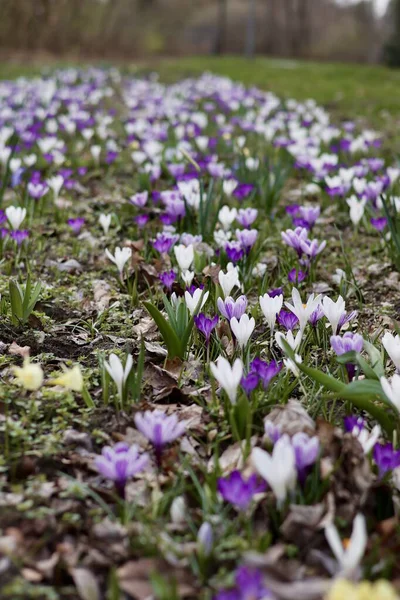
Crocus

Crocuses often bloom as snow melts. On mild days, they are one of the first places bees gather. They are easy to spot because bees tend to crawl straight into the open flowers.
Crocuses work best planted in groups. Scattered single bulbs are harder for bees to locate.
Snowdrops

Snowdrops bloom very early and handle cold well. Their small flowers still produce usable pollen for early native bees.
They do best in partial shade and naturalized areas where they can spread over time.
Grape hyacinth

Grape hyacinths bloom slightly later but overlap with other early flowers. Bees visit them steadily, especially when planted in dense patches.
They spread easily and can fill spaces under shrubs or along edges.
Siberian squill

Siberian squill blooms early and produces masses of blue flowers that bees notice quickly.
It works well in lawns that are not mowed until after flowering.
Early daffodils

Most daffodils are low value for bees, but early single varieties still provide pollen.
They are best treated as a support plant rather than a main food source.
Bulbs to skip if bees are the goal
If space is limited, focus on bulbs that produce simple, open flowers.
How to plant bulbs for real impact
Plant bulbs in clusters rather than in straight lines. Bees find groups faster than isolated flowers. Mix bulbs with early-blooming shrubs and perennials so food sources overlap instead of ending all at once.
Avoid mowing or cutting foliage back until plants finish feeding bees.
Why groups outperform single plantings
Bees do not search randomly. They follow visual cues and memory. A tight patch of the same bloom is easier to locate and worth revisiting. Single bulbs often go unnoticed, even if they are technically useful.
Bulbs and native bees
Many early bees are native species that fly in cooler weather. They rely heavily on pollen rather than nectar. Open flowers with easy access matter more than size or color at that time of year.
Placement makes a difference
Bulbs planted near sunny edges warm faster and open earlier. South-facing slopes, paths, and foundations often bloom days ahead of shaded areas. That timing can matter when bees are emerging on the first mild afternoons.
Bulbs are not a full solution
Bulbs work best as part of a sequence. They help early, then fade. Pairing bulbs with flowering trees, shrubs, and spring perennials keeps food available as the season progresses.
Spring planning helps you notice where early blooms are missing.
Bulbs are one of the easiest ways to support bees before trees and perennials wake up.
This page includes recommended bulb options and tools that make planting easier.
🌿 Gear Up for a Bee-Friendly Garden
Contains affiliate links, for full disclosure, see FTC Disclosure, here.
Looking for tools that actually work?
We’ve pulled together our favorite picks for beekeeping, gardening, and pollinator-friendly seeds—everything you need to support bees and grow a thriving space.
Browse the full list on Amazon — all in one spot.