Honey is one of the few foods people still eat almost exactly as ancient civilizations did. Bees make it. Humans collect it. The process has barely changed across thousands of years. There is no ultra-processing. You are eating one of the purest products on the planet, whether it comes from a grocery store or an apiary.
One of the most famous facts about honey is that it never truly goes bad. Jars discovered in ancient Egyptian tombs were estimated to be over 3,000 years old and still safe to eat. That sounds unreal, but the reason is simple. Honey contains very little water. Bacteria and mold need moisture to survive. Honey also has natural acids that make it an unfriendly place for microbes.
Honey has powerful antimicrobial properties. When honey mixes with moisture, it slowly produces small amounts of hydrogen peroxide. This happens naturally. It helps explain why honey was trusted long before modern medicine knew the reason.
Honey has a long history as medicine. Ancient Egyptians, Greeks, and Romans all used honey to clean cuts and burns. Medical texts credited to Hippocrates describe honey as a healing agent. Long before bacteria were understood, people could see that honey reduced infection and supported healing. Ancient Egyptians used it in ointments and embalming practices. This is also why honey can feel soothing for a sore throat.
Honey also works against germs because of how its sugars behave. Honey is very concentrated. Its sugars pull water away from bacteria through a process called osmotic pressure. Without water, microbes cannot grow. This makes honey both protective and stable over time.
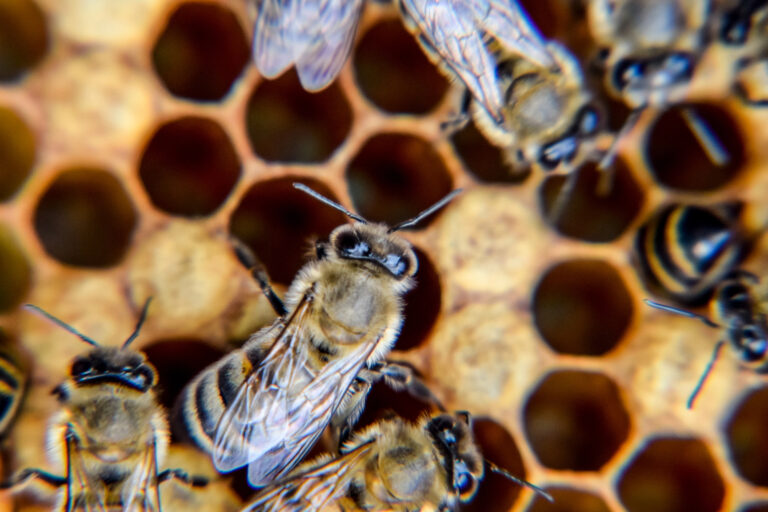
The bees behind honey are just as impressive. A single worker bee lives about five to six weeks during the busy season. In that short life, she produces only about one-twelfth of a teaspoon of honey. Millions of flower visits go into a single jar. Bees collect nectar, carry it back to the hive, and pass it between each other. Enzymes break the nectar down while moisture slowly evaporates. The bees then seal the finished honey with wax, protecting it until the colony needs it.
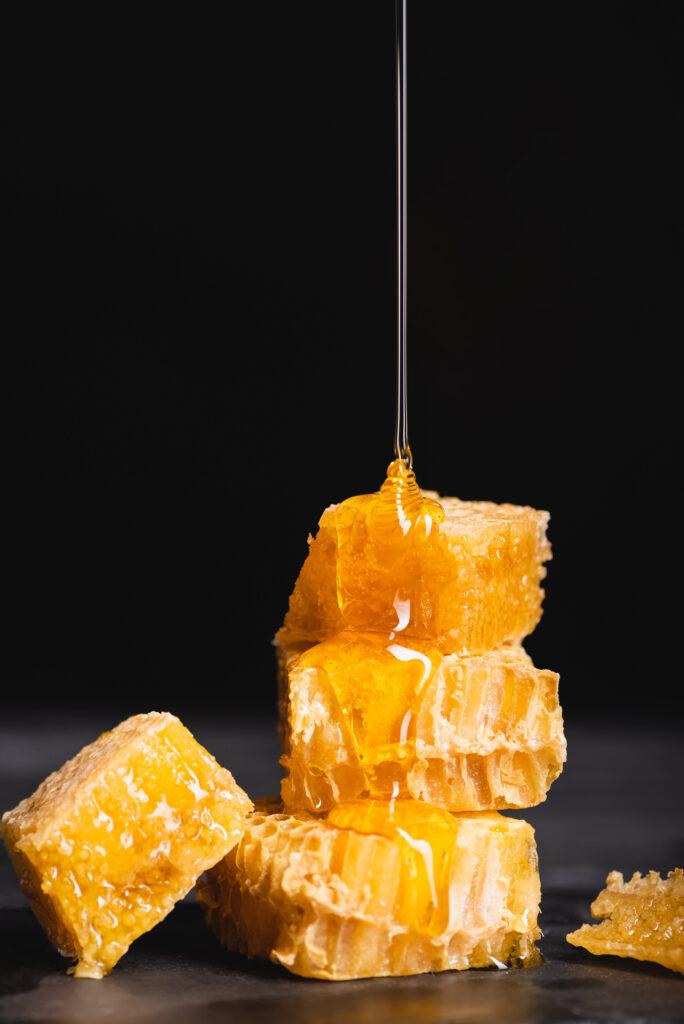
Honey varies widely in taste and color. This depends on the flowers available near the hive. Lighter honeys, such as clover and linden, usually taste mild. Darker honeys, like buckwheat honey, tend to have stronger flavors. Worldwide, the most commonly consumed honey is wildflower honey. Clover honey is also extremely popular due to its mild taste and wide availability.
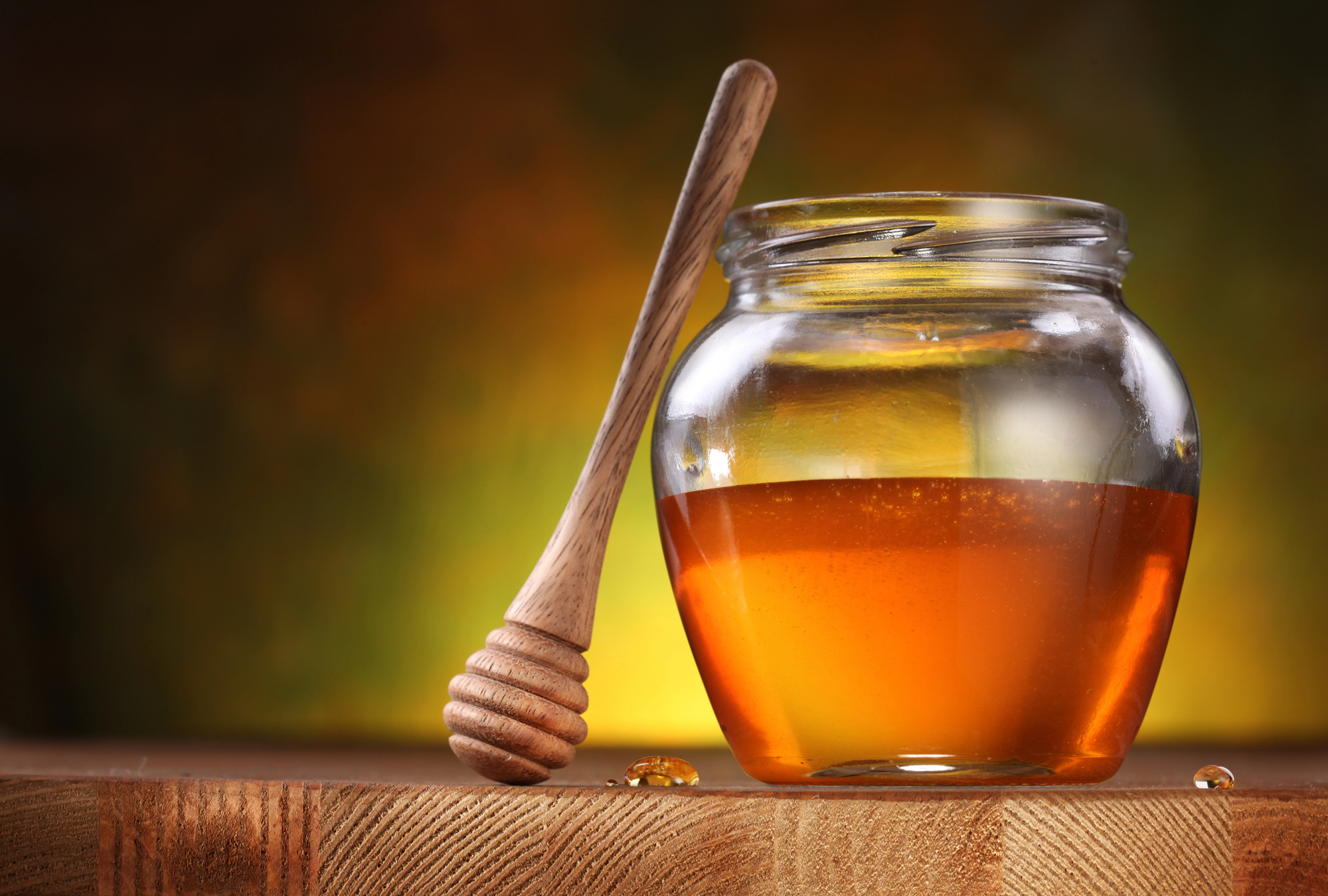
Many people think honey has gone bad when it turns cloudy or grainy. This process is called crystallization. It is completely natural. It happens when glucose forms crystals over time. Crystallization often means honey is raw or lightly filtered. It is a sign of quality, not spoilage.
Honey can even burn under the right conditions. Because it is made mostly of sugar, honey is flammable when heated enough. This surprised people in the past and added to honey’s reputation as something powerful and valuable. It does not make honey dangerous in normal use, but it is another reminder that honey behaves differently from most foods.
One clarification worth making is that honey is not cooked or manufactured by humans. It is processed entirely inside the hive. Bees actively control temperature, airflow, and moisture levels while producing honey. In that sense, honey is a finished food created by insects rather than a raw plant product.
For something so familiar, honey carries an incredible amount of science, history, and honeybee labor in every spoonful.
Want to learn more about honey? See our articles, The World’s Most Expensive Honeys and Why Honey Has Been So Valuable for Thousands of Years.
🌿 Gear Up for a Bee-Friendly Garden
Contains affiliate links, for full disclosure, see FTC Disclosure, here.
Looking for tools that actually work?
We’ve pulled together our favorite picks for beekeeping, gardening, and pollinator-friendly seeds—everything you need to support bees and grow a thriving space.
Browse the full list on Amazon — all in one spot.