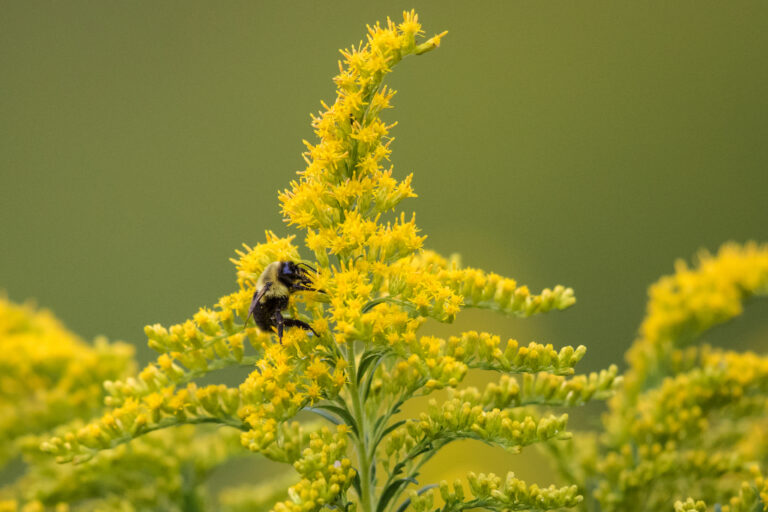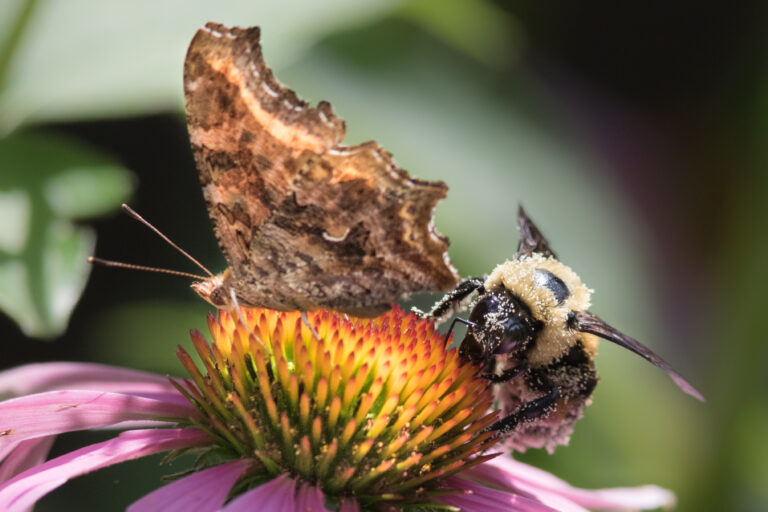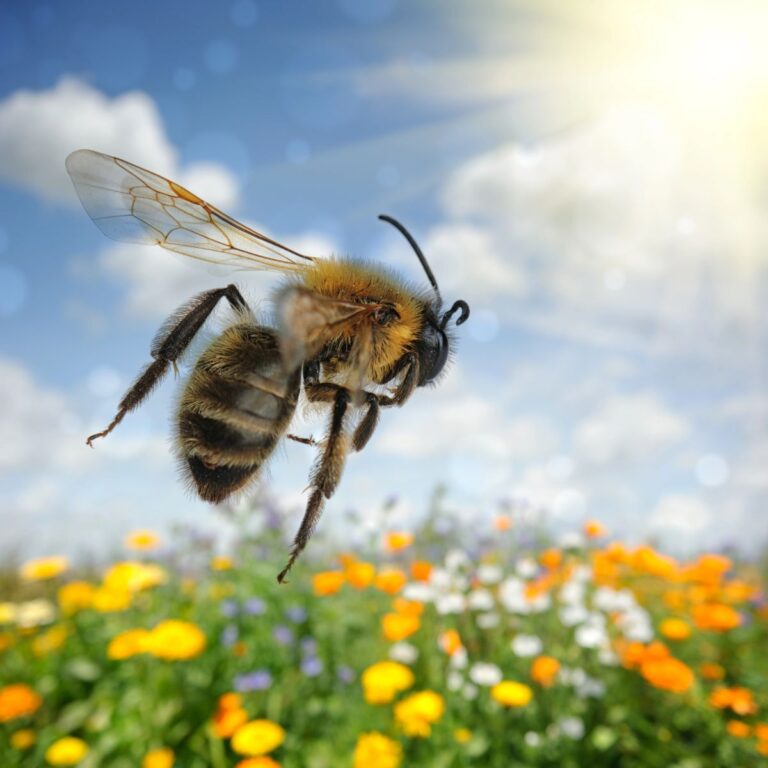

Not all honey bees are the same. Some are gentle, some are tough, and some can handle freezing winters or fight off mites with ease. Choosing the right type of honey bees can make a big difference in how your hive performs.
Here’s a look at the most common honey bee breeds in North America, and what makes each one unique.
Italian Honey Bees
Scientific name: Apis mellifera ligustica. Commonly referred to as Carnica or Western Honey Bees.
Best for: Beginners, high honey production, gentle temperament
Italian bees are the most popular honey bee in the U.S. They’re known for being easy to work with and great at making honey.
- Build up the population quickly
- Good foragers in warm weather
- Bright yellow coloring
- Can be prone to drifting or robbing
- Less resistant to cold and some pests
These bees are a great choice if you’re just starting out and want a calm hive that produces well.
Carniolan Bees
Scientific name: Apis mellifera carnica. Commonly referred to as Carnica or Western Honey Bees.
Best for: Cold climates, gentle temperament, quick spring buildup
Originally from Central and Eastern Europe, Carniolans are favored for their overwintering skills and calm behavior.
- Very gentle
- Good at adjusting colony size to nectar flow
- Fast spring buildup
- Darker in color
- Swarming risk if not managed in spring
Carniolans are a solid choice for northern beekeepers or anyone who wants a peaceful hive.
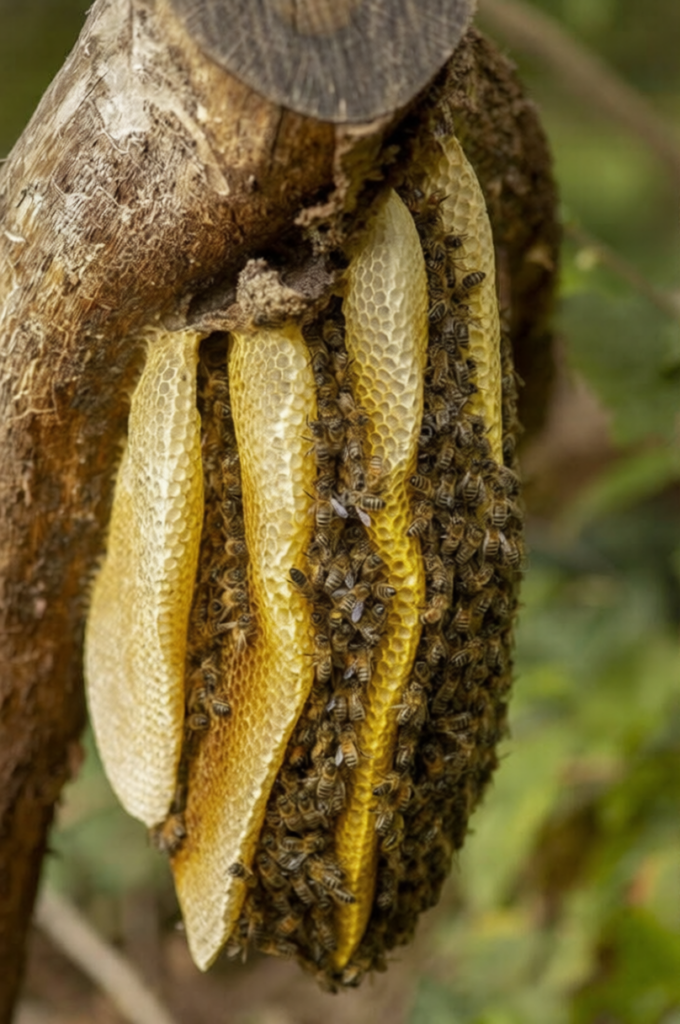
Russian Bees
Scientific name: Apis mellifera (hybrid strain)
Best for: Mite resistance, cooler climates, sustainable beekeeping
Brought to the U.S. in the 1990s, Russian bees are valued for their natural resistance to varroa mites.
- High varroa tolerance (Varroa tolerance refers to a honey bee colony’s natural ability to resist or cope with Varroa destructor mites (tiny parasites that attach to bees, weaken them, and spread viruses.)
- Strong overwintering abilities
- Slower to build up in spring
- Can be more defensive
- Prone to swarming if not managed closely
These bees are best for intermediate or experienced beekeepers looking to reduce chemical treatments.
Buckfast Honey Bees
Scientific name: Hybrid (developed by Brother Adam in the UK)
Best for: Balanced temperament, productivity, and disease resistance
Buckfast bees were selectively bred to combine the best traits of multiple strains.
- Excellent honey production
- Low swarming tendency
- Disease-resistant
- Behavior can vary between lines
- May be defensive if crossed with feral bees
These bees can be a great all-around option if sourced from a trusted breeder.
Caucasian Honey Bees
Scientific name: Apis mellifera caucasica
Best for: Cool, wet climates and working deep flowers
Known for their long tongues, Caucasian bees can forage nectar from flowers other bees can’t reach.
- Extremely gentle
- Work well in cloudy or damp weather
- Heavy users of propolis. (Propolis has natural antibacterial and antifungal properties. Bees use it to seal gaps in the hive and create a cleaner, more disease-resistant environment. However, it can make hive inspections stickier and harder for beekeepers to manage.)
- Build up more slowly
- Prone to robbing and disease. (Colonies that rob or get robbed are at higher risk of collapsing. They can also spread infections to other hives, so they require closer monitoring and care.)
Their slow start may not suit honey production goals, but they excel in hard-to-reach areas.
Saskatraz Honey Bees
Scientific name: Hybrid (developed in Saskatchewan, Canada)
Best for: High honey yields, mite resistance, rapid growth
This newer strain is gaining popularity for combining desirable traits like production and parasite tolerance.
- Fast spring buildup
- Excellent honey producers
- Varroa-resistant
- Behavior may vary by breeder
- Still under evaluation by many backyard keepers
If you’re comfortable trying a newer hybrid, Saskatraz bees can be a powerhouse in the right setup.
Africanized Honey Bees (Not Recommended)
Scientific name: Apis mellifera scutellata hybrid
Best known for: Extreme defensiveness and unsuitability for backyard hives
Common in the southern U.S., Africanized bees are often referred to as “killer bees.” While they do produce honey, they pose a safety risk.
- Highly aggressive
- Hard to manage
- Dangerous in populated areas
- May take over gentle colonies
Avoid keeping Africanized bees unless you are trained, equipped, and live in a remote area.
Final Thoughts
Each type of honey bee comes with its own strengths and challenges. When choosing your bees, consider your local climate, experience level, and goals. Local beekeepers and clubs can also help you find the best strain for your region.
Learn what bees actually need to thrive in your yard, no matter which type you choose. Learn about the lifecycle of bees before you start.
🌿 Gear Up for a Bee-Friendly Garden
Contains affiliate links, for full disclosure, see FTC Disclosure, here.
Looking for tools that actually work?
We’ve pulled together our favorite picks for beekeeping, gardening, and pollinator-friendly seeds—everything you need to support bees and grow a thriving space.
Browse the full list on Amazon — all in one spot.