What are bees, really?
When we talk about “bees” here on BeesHaven, we don’t just mean the ones living in wooden boxes at the edge of a field. Yes, honey bees are part of the picture, but the world of pollinators is much bigger than that.
In fact, when we say “bee” on this blog, it’s shorthand for a whole group of helpful creatures that move pollen from plant to plant. These include native bees, butterflies, hummingbirds, and even ants and flies. Some are stout and fuzzy. Some go totally unnoticed. All are essential.
Honey Bees vs. Native Bees
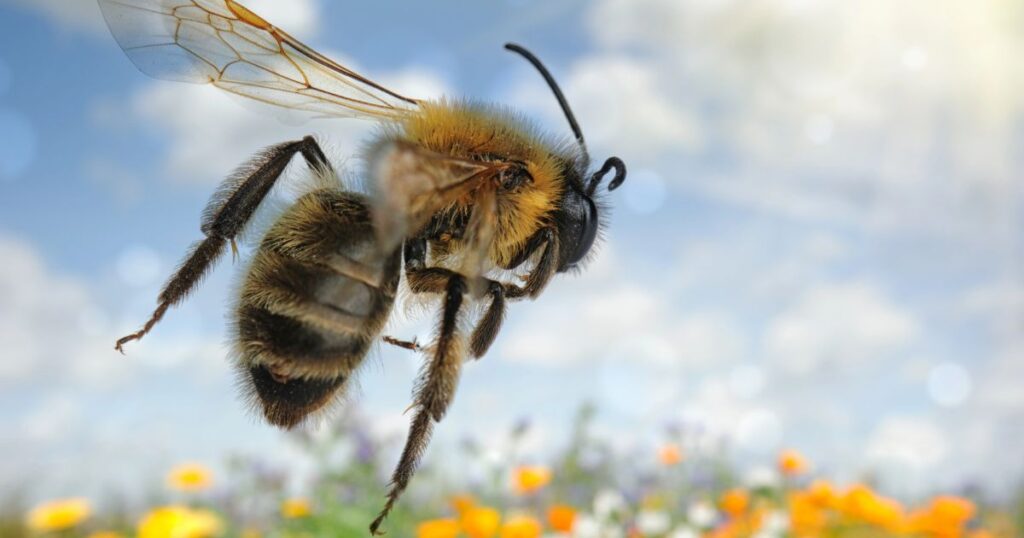
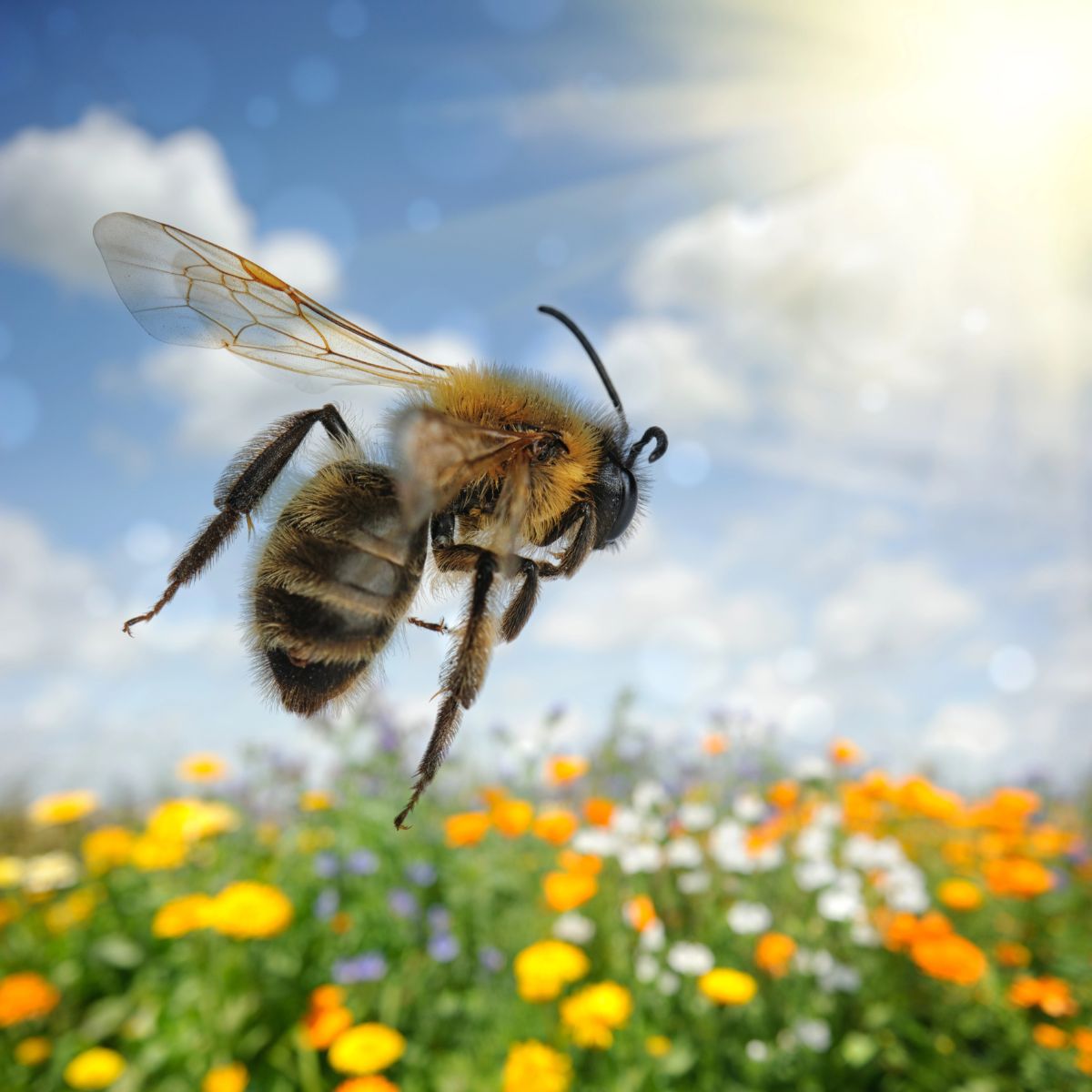
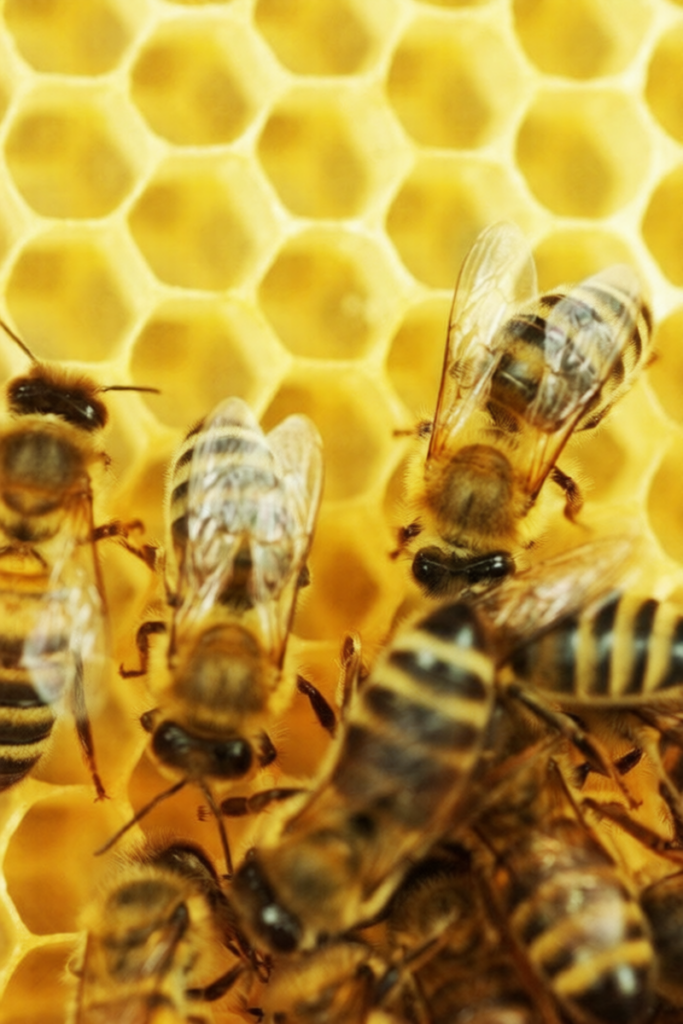
The bee most people picture first is the European honey bee. It’s the species managed by beekeepers and responsible for most commercial pollination and honey production. While honey bees are amazing at what they do, they aren’t native to North America; they were introduced in the 1600s.
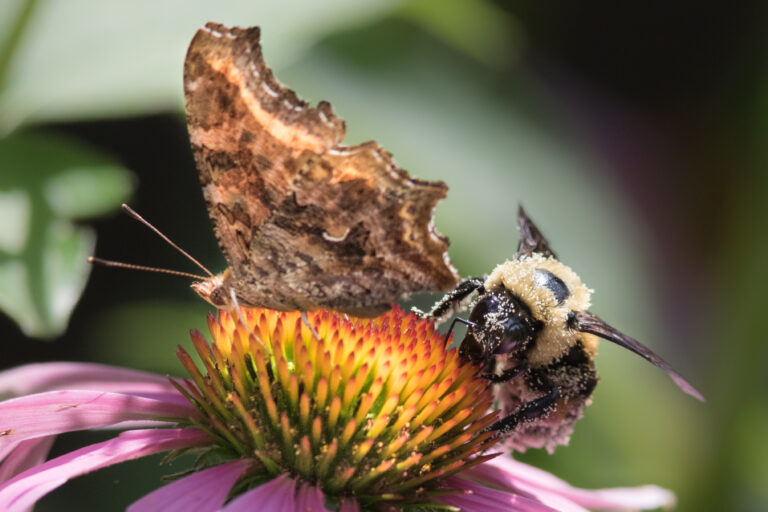
Native bees, on the other hand, evolved alongside our local plants. Many don’t form hives, don’t sting, and live solo lives in tiny ground tunnels, hollow stems, or old wood. They include species like bumble bees, mason bees, sweat bees, and leafcutter bees. Some are tiny and metallic. Others are round and fuzzy.
Native bees are often more efficient at pollinating native plants. They can also be more vulnerable to habitat loss and pesticides since they don’t have large colonies to fall back on. Supporting native bees means supporting the whole ecosystem, not just honey production.
Types of Pollinators
Pollinators come in all shapes, sizes, and species. Each one plays a part in pollinating your garden, which helps local farms thrive.
Birds
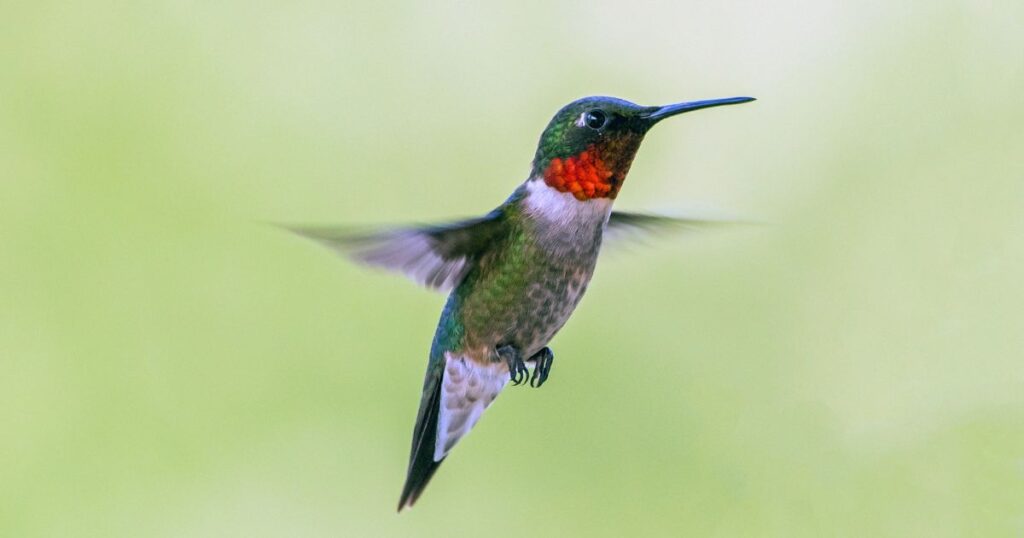
Hummingbirds are among the flashiest pollinators, zipping between trumpet-shaped flowers like columbine, salvia, and bee balm. They rely on nectar-rich blooms with intense colors and no landing pad, because they feed while hovering.
Butterflies
These visual foragers prefer flat, clustered blooms in shades of purple, orange, and yellow. Think milkweed, coneflowers, and goldenrod. Butterflies have long tongues that allow them to reach deep into flowers, but they need warmth and shelter to stay active.
Flies
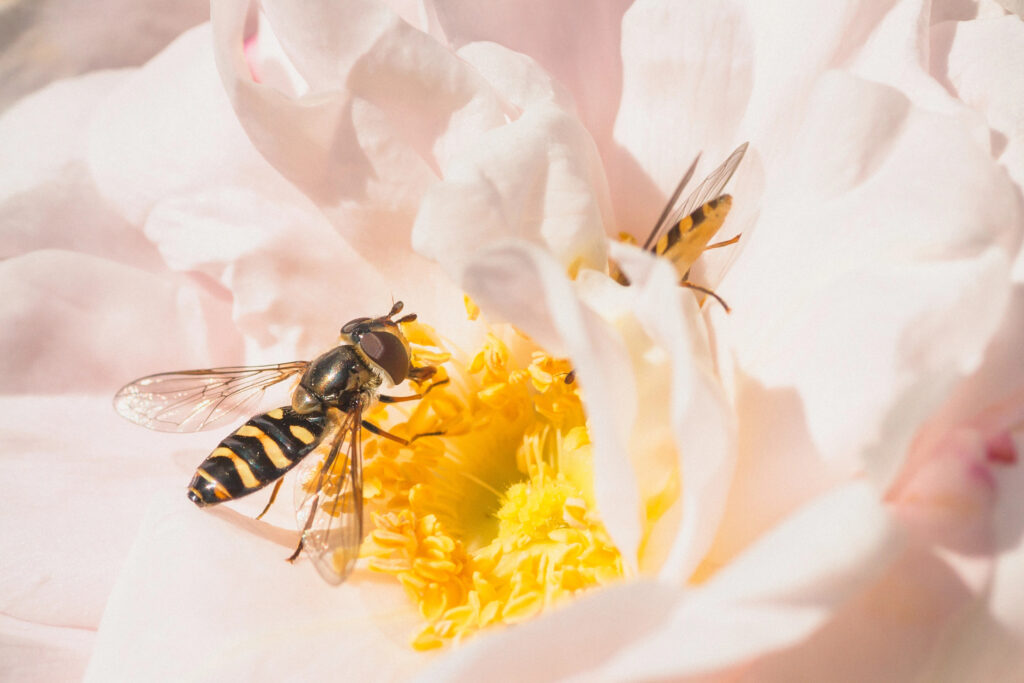
Don’t let the name fool you; hoverflies, in particular, are valuable garden helpers. They feed on pollen and nectar, and their larvae often eat aphids. Flies like small, open flowers like yarrow, parsley, and dill.
Ants
Ants aren’t excellent fliers (obviously), but they still interact with low-growing flowers. They tend to visit small blooms close to the ground, such as wild strawberries and some early spring woodland plants. The garden plants they are most fond of are peonies. That’s why, before you bring a bunch of peony flowers into the house to admire, be sure to shake them off well first.
Moths
These nighttime visitors are drawn to pale or white flowers that open at dusk or in the dark, like evening primrose, moonflower, and four o’clocks. Their quiet presence helps support after-hours pollination.
Beetles
Beetles have been pollinating plants since the time of the dinosaurs. They prefer large, bowl-shaped flowers and often chew through petals and pollen. Plants like magnolias and spicebushes attract them.
Wasps
Though they don’t carry as much pollen as bees, wasps visit flowers for nectar and may move some pollen. Some even pollinate fig trees in a more specialized way.
Why This Matters
Creating a pollinator-friendly space means thinking beyond the bee hives. Native plants, diverse blooms, and pesticide-free practices support an entire network of beneficial species, not just one.
So when we talk about “bees” on this blog, we mean all of these important species.
Welcome to Bees Haven, will give you some insight on our goals with this site. Learn what Bees Need and how to attract them in this article.
🌿 Gear Up for a Bee-Friendly Garden
Contains affiliate links, for full disclosure, see FTC Disclosure, here.
Looking for tools that actually work?
We’ve pulled together our favorite picks for beekeeping, gardening, and pollinator-friendly seeds—everything you need to support bees and grow a thriving space.
Browse the full list on Amazon — all in one spot.