
Early spring can feel quiet. Trees are bare, flowers are scarce, and most insects seem absent. Look closely on the first warm days, though, and life is already moving. Some pollinators are built for early spring. They emerge before most plants bloom and before most people expect to see them. Their timing is not random. It is shaped by survival, competition, and long-standing relationships with plants. Early-spring emerging pollinators are among the most important of the year.
Early Spring Is Not for Everyone
Cold, wind, and unstable weather make early spring a difficult season for insects. Only species with the right traits can survive it.
Early-emerging pollinators tend to be cold tolerant, fast-moving, and efficient. Many have fuzzy bodies that trap heat. Others warm their flight muscles before taking off or stay active during short warm windows.
These adaptations allow them to make the most of limited resources while avoiding competition later in the season.
Mining Bees and Other Ground Nesters
Mining bees are often among the first bees seen in spring. They nest in soil and emerge as soon as ground temperatures rise enough to support activity.
Because they nest close to where they feed, mining bees benefit from early-flowering plants nearby. Bare or lightly vegetated soil plays an important role in their survival.
Digger bees and other soil nesters follow a similar pattern. Their early activity allows them to complete their life cycle before the summer heat and competition peak.
Flies Do More Work Than We Notice
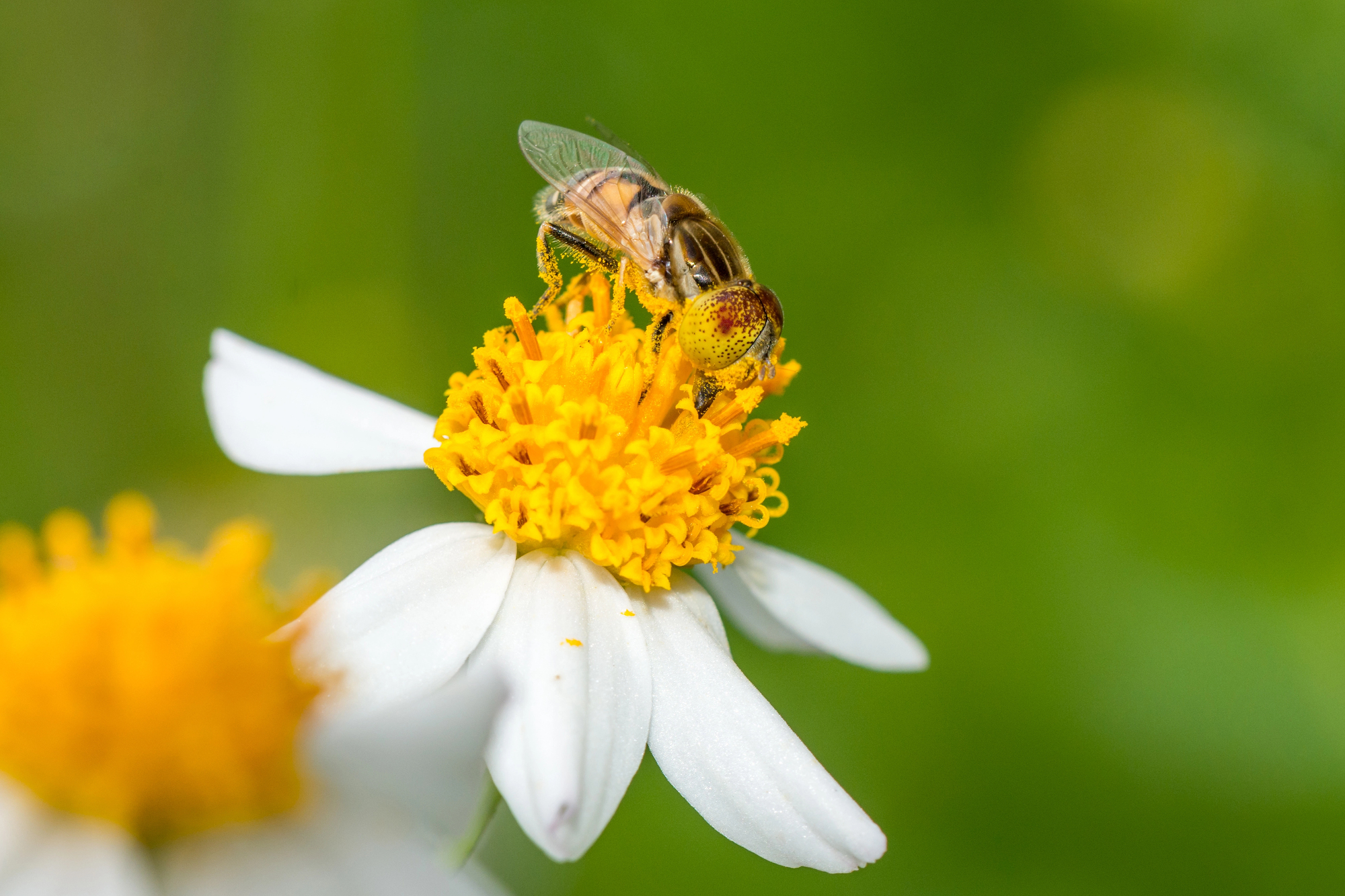
Many early spring pollinators are not bees at all. Flies are especially active when temperatures are still low.
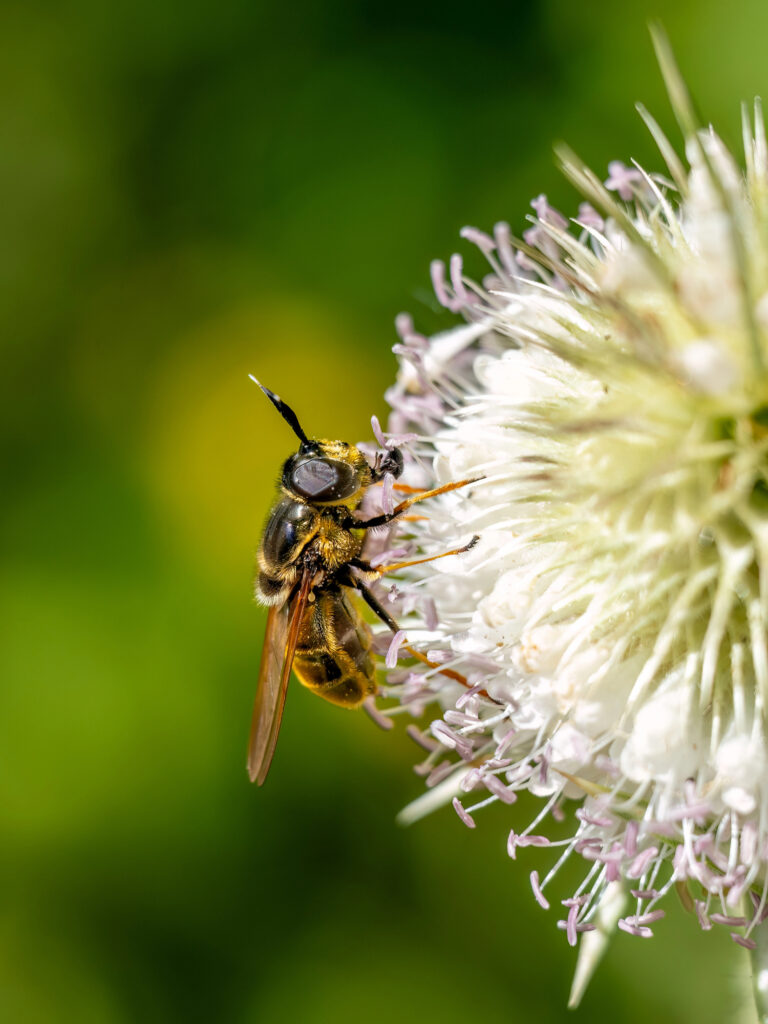
Hoverflies, bee flies, and other species can fly in cooler weather and cloudy conditions. They visit early blooms and help move pollen when bees are scarce.
Flies are often overlooked because they do not match the familiar image of a pollinator. In early spring, they are essential.
Beetles and Other Opportunists
Beetles are some of the earliest pollinators in evolutionary history. In spring, certain beetle species visit flowers while feeding on pollen or plant tissue.
Their pollination is less precise, but it still contributes to plant reproduction. Beetles tend to be active early because they rely less on specialized flowers and more on the general availability of flowers.
Butterflies and Moths That Wake Early
Some butterflies and moths overwinter as adults or emerge quickly once temperatures rise. These species often feed on tree sap, rotting fruit, or the first available flowers.
Their early activity helps them avoid predators and competition later in the season. It also allows them to take advantage of resources that are in short supply.
Why Early Pollinators Matter
Early-emerging pollinators fill a critical gap. They support plants that bloom before most insects are active. They also help establish the foundation for the rest of the season.
When early pollinators struggle, the effects show up later. Fewer early plants set seed. Fewer insects reach breeding success. The entire system becomes less stable.
What Their Presence Tells Us
Seeing insects active early in spring is a sign that the habitat is working. It means there are nesting sites nearby and enough food to support early life.
Landscapes that lack early pollinators often lack the conditions necessary for their survival. The absence of life can be as informative as its presence.
Paying Attention to the First Arrivals
The first pollinators of spring are easy to miss. They move quickly and appear briefly.
Noticing who shows up first changes how we understand the season. Spring does not start with full bloom. It starts with small, resilient species taking advantage of narrow windows of opportunity.
Those early arrivals tell us a lot about the health of the landscape long before summer arrives.
Want to learn about pollinator ecology? See our article Camouflaged Predators on Flowers.
🌿 Gear Up for a Bee-Friendly Garden
Contains affiliate links, for full disclosure, see FTC Disclosure, here.
Looking for tools that actually work?
We’ve pulled together our favorite picks for beekeeping, gardening, and pollinator-friendly seeds—everything you need to support bees and grow a thriving space.
Browse the full list on Amazon — all in one spot.