Most people picture bees as hard workers gathering pollen and building nests. Many species do exactly that. But a surprising group of bees takes a very different path. Cuckoo bees survive by letting other bees do the work.
These bees sneak into the nests of other species and lay their eggs there. When the young hatch, they use the food that the host bee collected for its own offspring. In many cases, the host larva does not survive.
It sounds harsh, but this strategy is a normal part of the bee world. Scientists call it brood parasitism.
What Is a Cuckoo Bee
Cuckoo bees are a large group of bees that do not build their own nests. Instead, the female searches for the nest of another bee species.
When she finds an unguarded moment, she enters the nest and lays an egg.
The host bee returns later and continues stocking the nest with pollen and nectar. She does not realize another egg is already there.
When the cuckoo bee larva hatches, it uses the stored food meant for the host bee’s young.
This strategy is similar to the behavior of cuckoo birds, which is how these bees got their name.
How They Sneak Into Nests
Female cuckoo bees spend much of their time searching for the nests of other bees.
Once a nest is located, the cuckoo bee waits until the host leaves to gather pollen. She then slips inside the nest chamber and lays an egg.
Some species even destroy the host egg before leaving. Others simply add their egg to the chamber and let the larvae compete.
Timing is everything. If the host bee returns too soon, the intruder may be chased away.
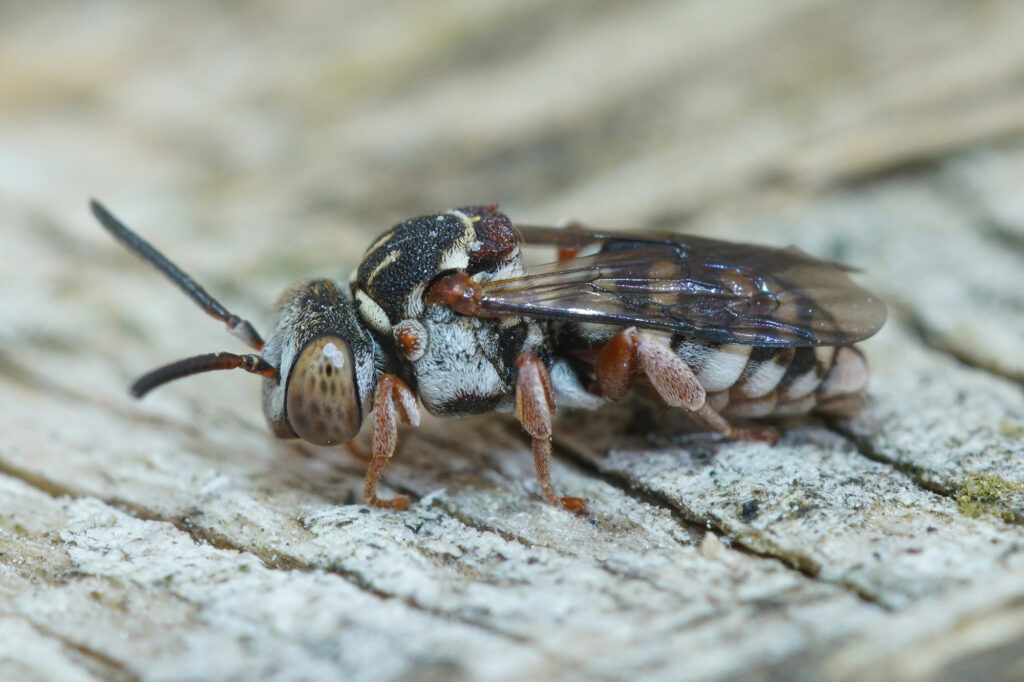
How to Recognize a Cuckoo Bee
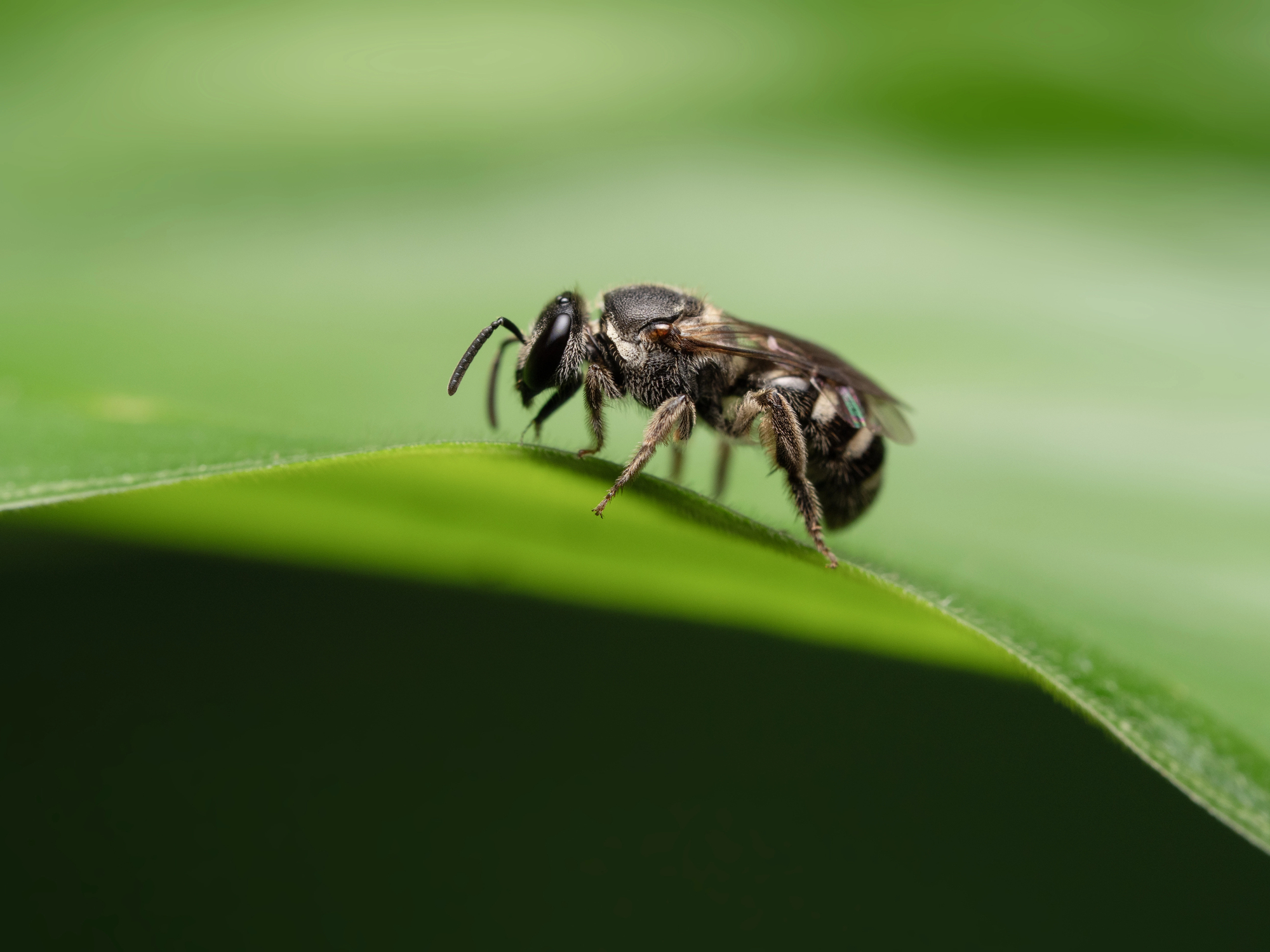
Cuckoo bees often look different than pollen-collecting bees. Most species have smoother bodies with fewer hairs because they do not gather pollen.
Many also lack the pollen baskets or dense pollen brushes found on other bees. Their legs are usually narrower and cleaner.
Some cuckoo bees have bold markings, patches of pale hair, or shiny black bodies. A few even resemble small wasps at first glance.
Because they are not busy collecting pollen, cuckoo bees are often seen flying low over the ground while searching for the nests of other bees.
This behavior can be a clue that you are looking at one of these nest-stealing species.
How Cuckoo Bees Reproduce
Cuckoo bees mate shortly after emerging as adults. Males often patrol areas where host bees nest, waiting for females that are searching for nests to parasitize.
After mating, the female begins locating nests of the correct host species. Each cuckoo bee species usually targets only one or a few types of bees.
Once a nest is found, the female waits for the host bee to leave. She then enters the nest chamber and lays her egg beside the stored pollen and nectar. In some species, the cuckoo bee removes the host egg first.
When the larva hatches, it develops using the food that the host bee gathered. The young cuckoo bee eventually pupates inside the same nest cell and emerges the following season.
This reproductive strategy allows cuckoo bees to survive without building nests or collecting pollen themselves.
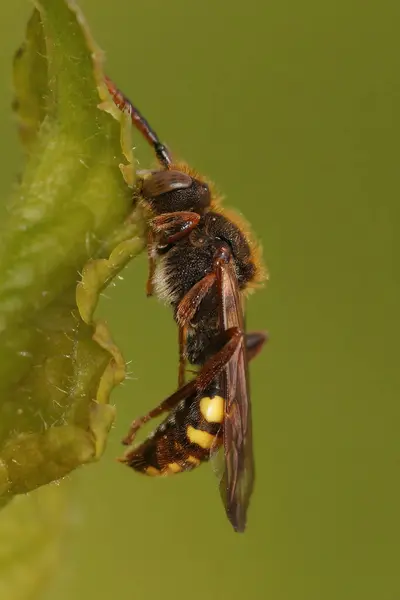
A Strange but Natural Role
Even though cuckoo bees sound like villains, they are a normal part of healthy ecosystems.
Many bee species have their own specific cuckoo bee parasites. This relationship has existed for millions of years.
Their presence can even tell scientists something important. When cuckoo bees are present, it usually means the host bee population is strong enough to support them.
Nature often works in complex ways, and cuckoo bees are one of the more surprising examples.
Did You Know?
- Cuckoo bees make up about 20–25 percent of all bee species worldwide. Many people never notice them because they often look more like small wasps than bees.
- Some cuckoo bees specialize in only one host species. If that host bee disappears, the cuckoo bee disappears too. Their survival is tightly linked.
- Female cuckoo bees often spend hours watching a nesting site before entering. They wait until the host leaves to gather pollen, then rush in to lay an egg before the owner returns.
- Cuckoo bees usually have stronger armor and thicker skin than many other bees. If the host bee returns early, the intruder may have to fight its way out of the nest.
🌿 Gear Up for a Bee-Friendly Garden
Contains affiliate links, for full disclosure, see FTC Disclosure, here.
Looking for tools that actually work?
We’ve pulled together our favorite picks for beekeeping, gardening, and pollinator-friendly seeds—everything you need to support bees and grow a thriving space.
Browse the full list on Amazon — all in one spot.