
Spring gets most of the attention when people talk about pollinators. Early blooms, emerging bees, and the first warm days feel like a critical moment. In reality, late summer can be an even tougher test. For many pollinators, August is one of the most challenging months of the year.
By this point, energy demands are high and resources are quietly shrinking.
Late Summer Looks Full but Often Is Not
At a glance, August landscapes can look lush. Gardens are established, fields are tall, and greenery is everywhere. Food for pollinators is not measured in leaves. It is measured in nectar and pollen.
Many spring and early summer plants have already finished blooming. What remains is often scattered and uneven. Large stretches of land may appear healthy while offering very little usable food.
Heat Changes How Pollinators Behave
High temperatures limit when pollinators can safely forage. In extreme heat, insects reduce activity during the middle of the day to avoid overheating and dehydration.
Shorter foraging windows mean less time to collect nectar and pollen. That lost time adds up, especially for species preparing for winter or producing late-season offspring.
Heat also causes nectar to dry up faster. Flowers may still be present, but they offer less reward.
Drought and Mowing Create a Double Hit
Late summer drought compounds the problem. Plants under water stress produce less nectar and pollen. Some stop flowering entirely.
At the same time, mowing often peaks in August. Roadsides, fields, and lawns are cut just as late-blooming plants reach their stride. What little food remains can disappear overnight.
This combination leaves pollinators searching harder and flying farther at a time when energy conservation matters most.
Late Season Pollinators Face Unique Pressure
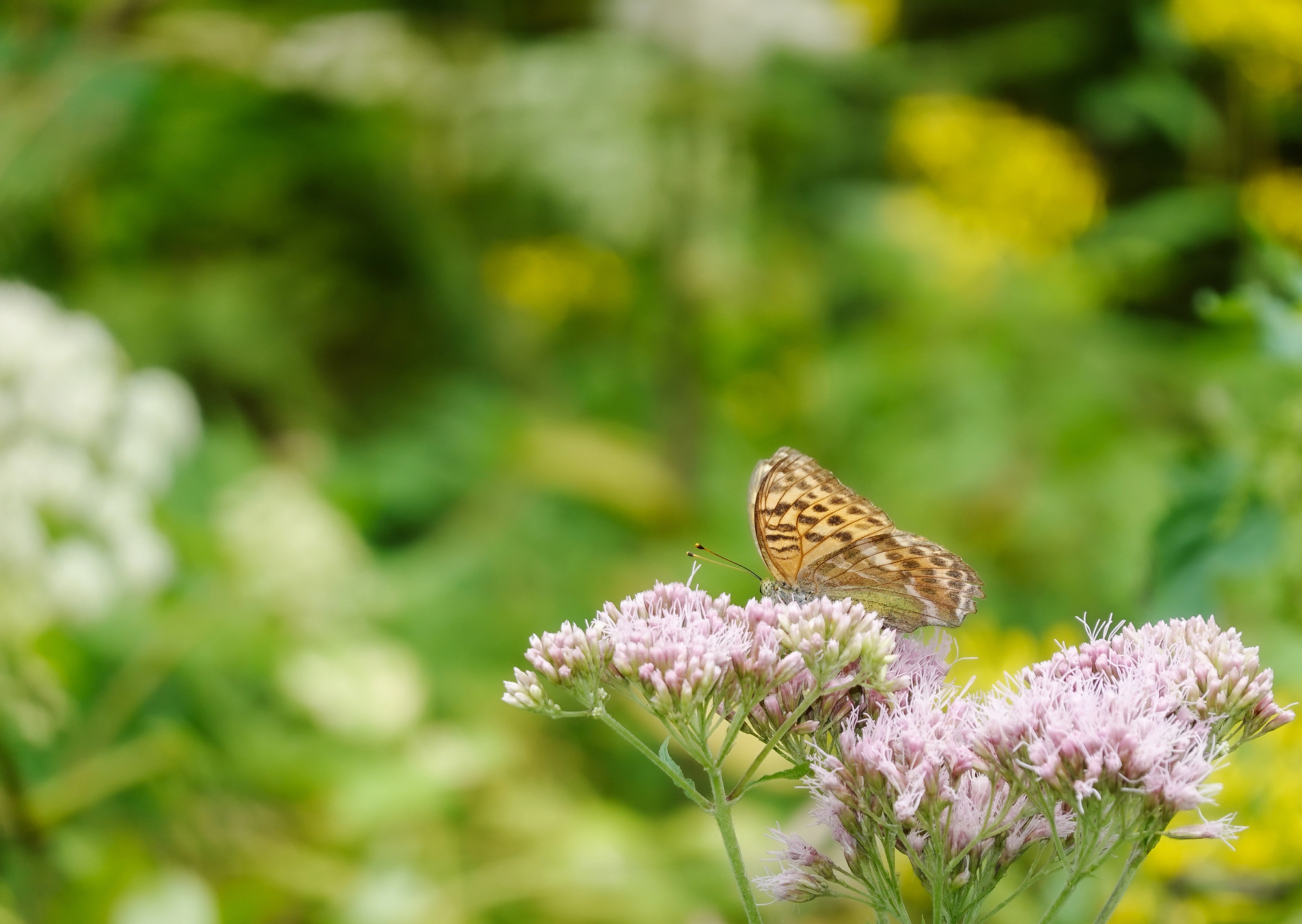
Not all pollinators are winding down in August. Many native bees, butterflies, and flies are still active or producing the next generation.
Some species depend heavily on late-blooming plants to build fat reserves or provision nests. When late-season food is scarce, fewer individuals survive to overwinter or reproduce.
What happens in August often determines what shows up the following spring.
Why Late Blooms Matter So Much
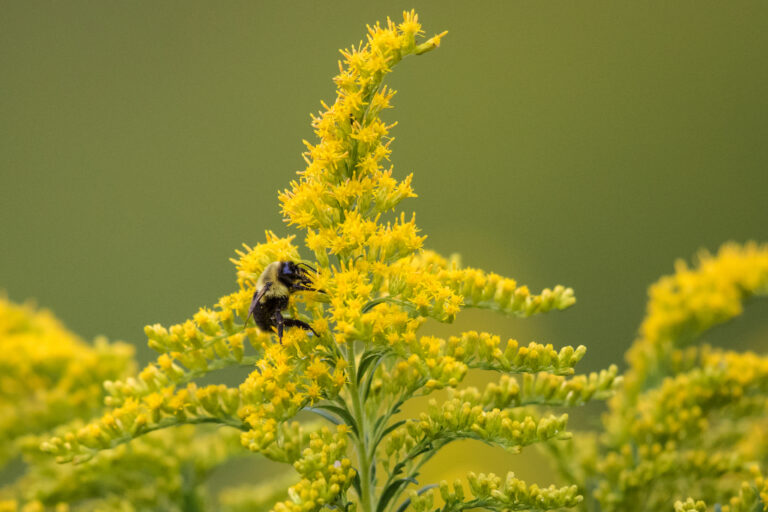
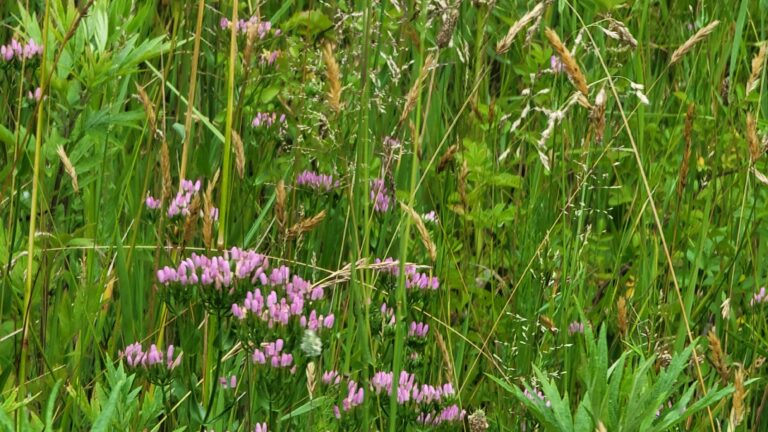
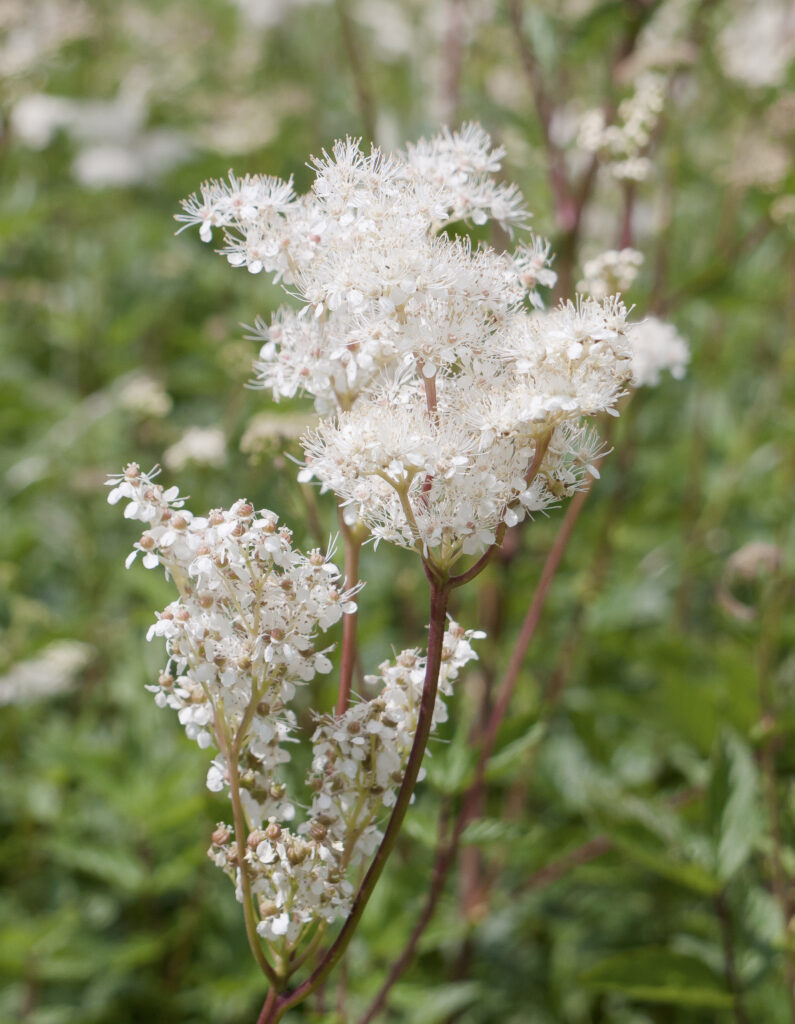
Plants like goldenrod, asters, boneset, and late-season herbs play an outsized role in pollinator survival. They provide critical fuel when options are limited.
These plants are sometimes removed because they are seen as messy or weedy. Ecologically, they are lifelines.
A landscape that supports late blooms is one that supports continuity across seasons.
The Hidden Cost of Late Summer Loss
Pollinator declines are not always caused by a single dramatic event. Often, they result from repeated small losses that go unnoticed.
When August food sources fail year after year, populations shrink quietly. Fewer pollinators enter winter in good condition. Fewer emerge the following year. Over time, the system weakens.
Supporting Pollinators When They Need It Most
Helping pollinators in late summer does not require starting over. Leaving some areas unmowed, allowing late flowers to bloom fully, and protecting water sources all make a difference.
Even small patches of late-season habitat can serve as stepping stones that connect larger areas.
Late summer is not the end of the season. It is a turning point.
Understanding the pressure pollinators face in August helps explain why year-round habitat matters. The work of supporting pollinators does not stop after spring. In many ways, the hardest part comes later.
🌿 Gear Up for a Bee-Friendly Garden
Contains affiliate links, for full disclosure, see FTC Disclosure, here.
Looking for tools that actually work?
We’ve pulled together our favorite picks for beekeeping, gardening, and pollinator-friendly seeds—everything you need to support bees and grow a thriving space.
Browse the full list on Amazon — all in one spot.