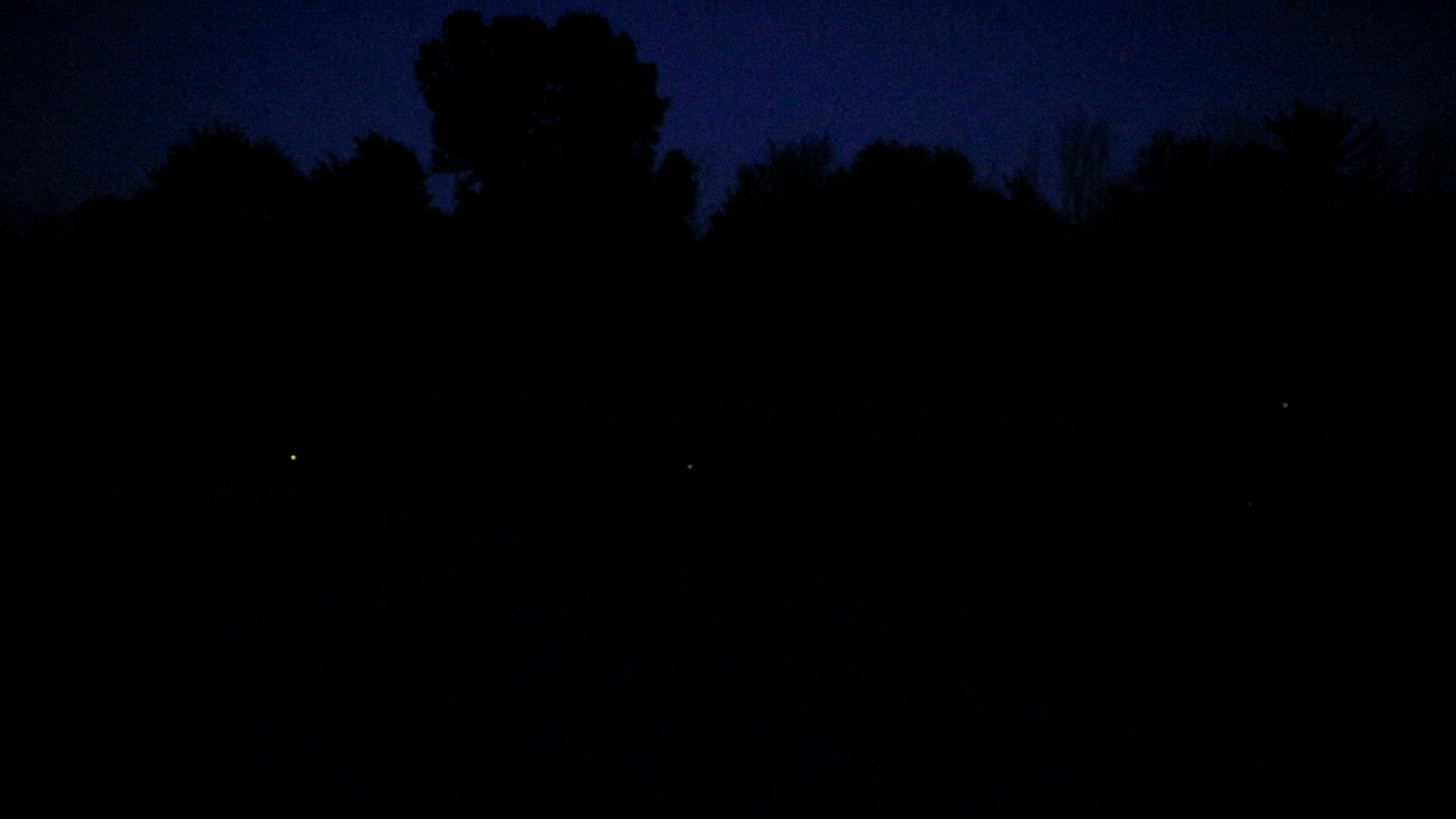
Fireflies and lightning bugs are one of the best parts of summer. Their tiny flashes of light bring back memories of warm evenings, backyard games, and chasing glowing insects through the grass after dark.
Many people simply enjoy watching them, but these fascinating insects have a few surprises hidden behind those blinking lights.
Fireflies Are Actually Beetles
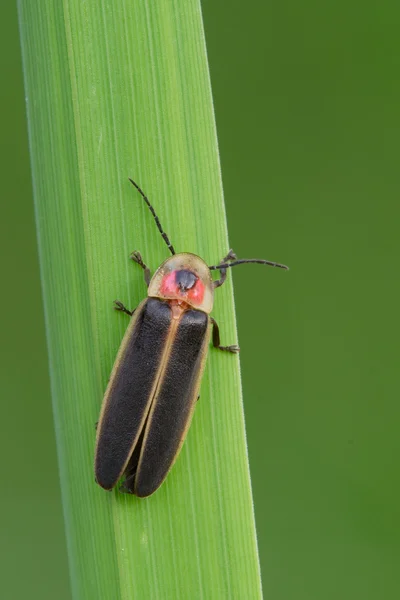
Despite their name, fireflies are not flies at all. They belong to a family of beetles called Lampyridae. Scientists have identified more than 2,000 species worldwide, with dozens found across North America.
A Group of Fireflies Is Called a Sparkle
One of the most charming facts about fireflies is that a group of them is often called a sparkle. While it is not a formal scientific term, it has become a popular collective noun and perfectly describes a field filled with flashing lights on a summer evening.
Most of Their Lives Are Spent Hidden
The adult fireflies we see during summer are only around for a short time, generally one to two years, depending on the species. Before emerging as adults, firefly larvae can spend one to two years living in soil, leaf litter, and other damp places.
Because they spend so much time developing underground, healthy soil and moisture are critical for their survival.
Firefly Larvae Glow Too
Adult fireflies are not the only stage that produces light. Larvae can glow as well and are sometimes called glowworms. The glow helps warn predators that they are not a tasty meal.
Fireflies Are Hunters
Many people are surprised to learn that young fireflies are predators. Firefly larvae feed on slugs, snails, worms, and other small creatures they find in the soil.
In a way, they help keep nature’s balance as they develop underground.
Every Species Has Its Own Flash Pattern
Those blinking lights are not random. Different species use unique flash patterns to communicate with potential mates.
Scientists can often identify a species simply by observing the timing and pattern of its flashes.
Some Fireflies Flash in Perfect Synchrony
In a few areas of the United States, thousands of fireflies can synchronize their flashes. Entire groups blink together in waves, creating one of nature’s most remarkable light shows.
The Great Smoky Mountains National Park is especially famous for this phenomenon.
Their Light Produces Almost No Heat
Fireflies create what scientists call bioluminescence. Unlike a light bulb, which wastes energy as heat, nearly all of a firefly’s energy becomes light.
This makes fireflies one of the most efficient light producers in the natural world.
Fireflies Need Darkness
Artificial lighting can interfere with the signals fireflies use to find mates. Porch lights, floodlights, and other outdoor lighting can make it harder for them to communicate.
Dark summer nights are an important part of firefly habitat.
Fireflies Can Come Back
Many people have noticed fewer lightning bugs than they remember seeing decades ago. Habitat loss, pesticides, drought, and light pollution have all contributed to declines in some areas.
The good news is that fireflies can return when conditions improve. Native plants, damp areas, leaf litter, reduced pesticide use, and darker nights can all help support their populations.
The next time you see a sparkle of fireflies drifting through the yard, take a moment to enjoy it. Those tiny flashes are more than a sign of summer. They are a reminder that healthy habitats can still support many different species.
See more Ecology articles
🌿 Gear Up for a Bee-Friendly Garden
Contains affiliate links, for full disclosure, see FTC Disclosure, here.
Looking for tools that actually work?
We’ve pulled together our favorite picks for beekeeping, gardening, and pollinator-friendly seeds—everything you need to support bees and grow a thriving space.
Browse the full list on Amazon — all in one spot.