Zinnias are one of those flowers that earn their space in a pollinator garden. They bloom for months, come in an enormous range of colors, and attract butterflies, bees, and other insects well into late summer.
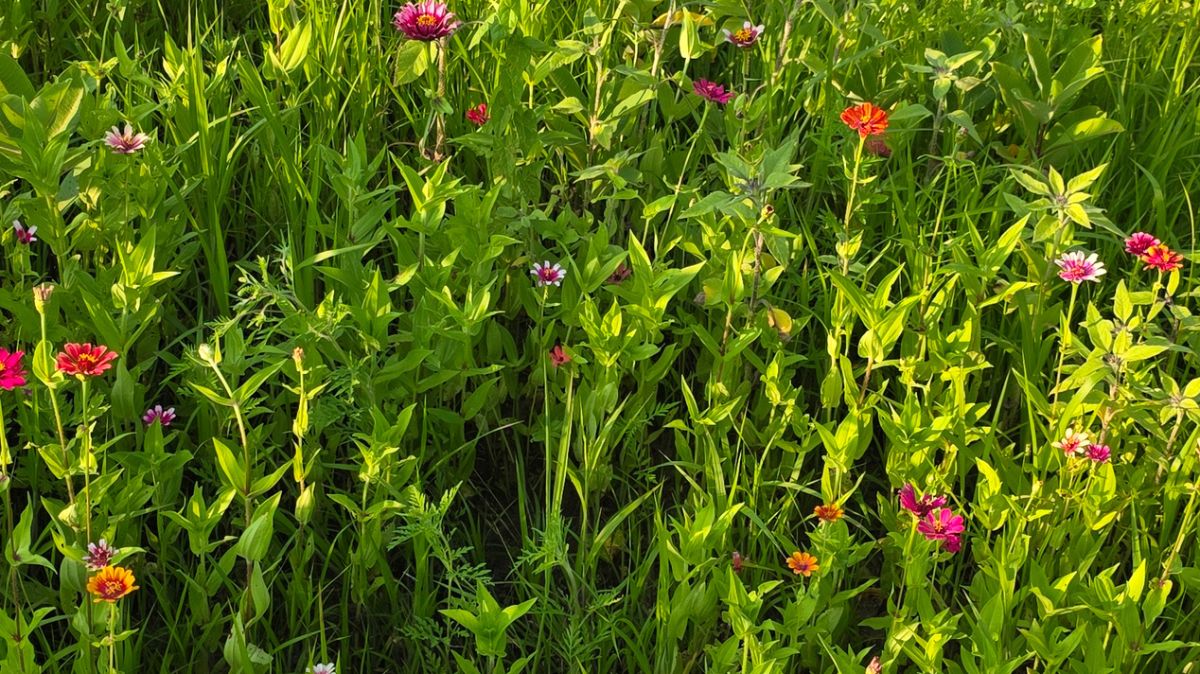
I planted mostly single-flowered zinnias, a mix called dahlia-flowered, at Bees Haven this year, and they have been especially interesting to watch. The butterflies seem to spend more time on the zinnias than on many of the other flowers blooming nearby.
But not every zinnia flower is equally useful to a pollinator. Flower shape matters, and some of the showiest zinnias can actually make nectar and pollen harder to reach.
Why Butterflies Like Zinnias
Zinnias produce broad flower heads that give butterflies an easy place to land while they feed. Unlike a tiny flower that requires an insect to cling to the stem or hover, a zinnia acts almost like a landing pad. That is especially useful for larger butterflies.
The center of a zinnia is made up of many small disk flowers. Those are the little individual flowers that provide nectar and pollen. On an open zinnia, they are easy to see and easy for visiting insects to reach. Zinnias also have another big advantage. They keep blooming.
With regular flowering and some deadheading, plants can continue producing blooms through summer and into fall. That makes them particularly useful later in the season when some earlier perennial flowers have already finished.
Single Zinnias Are Easy for Pollinators to Use
Single-flowered zinnias have one row of petals surrounding an exposed center. For pollinators, that simple flower structure is a good thing.
The nectar and pollen-producing parts of the flower are right out in the open. A butterfly can land and begin feeding without having to work its way through layers of petals.
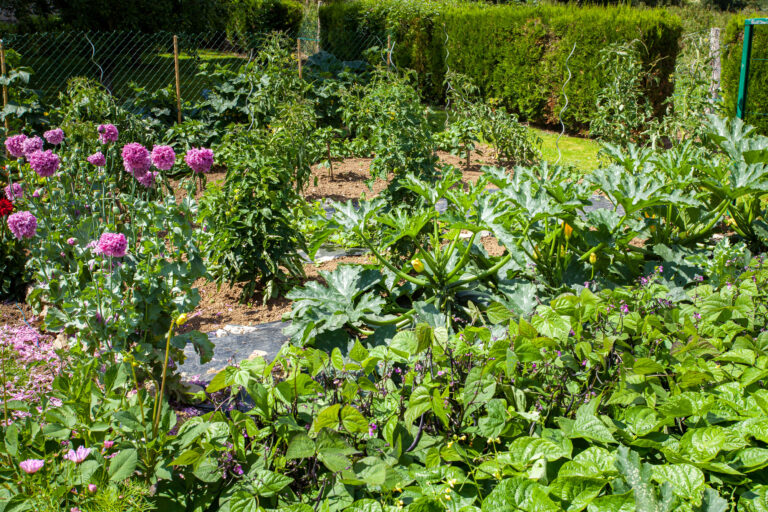
We scattered them through the field among milkweed, grasses, Queen Anne’s lace, and other plants instead of growing in a formal flower bed.
Even with all of those competing flowers around them, the zinnias get plenty of attention.
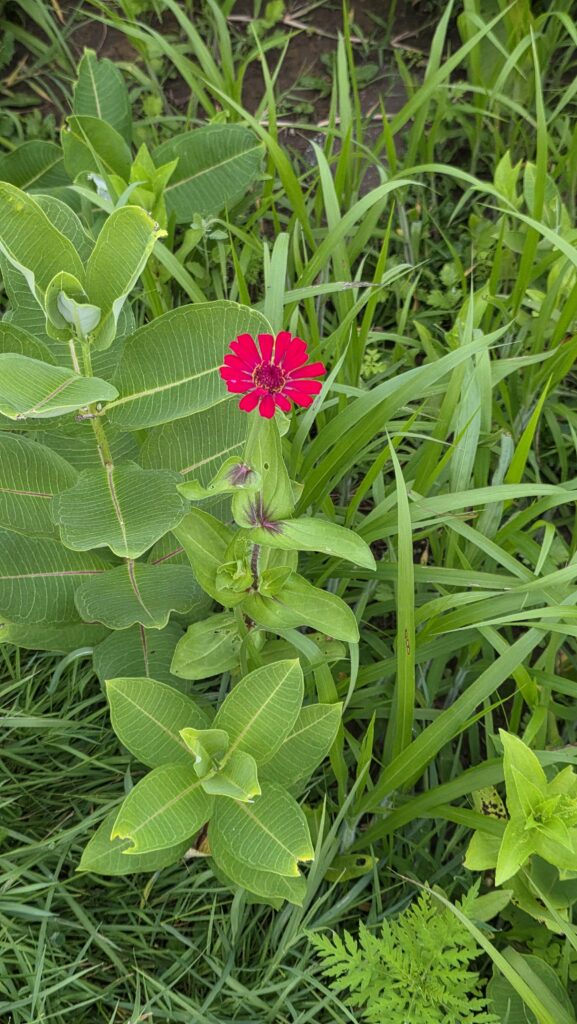
Semi-Double Zinnias Can Still Be Excellent
Semi-double zinnias have additional rows of petals, but you can still clearly see the center of the flower. These can give you the best of both worlds. They have the fuller appearance many gardeners like while still leaving plenty of accessible flowers for butterflies and bees.
When choosing zinnia seed for a pollinator garden, I would not automatically avoid every fuller flower. Instead, look closely at the seed packet or photos. If you can easily see an open center, insects probably can too.
What About Double Zinnias?
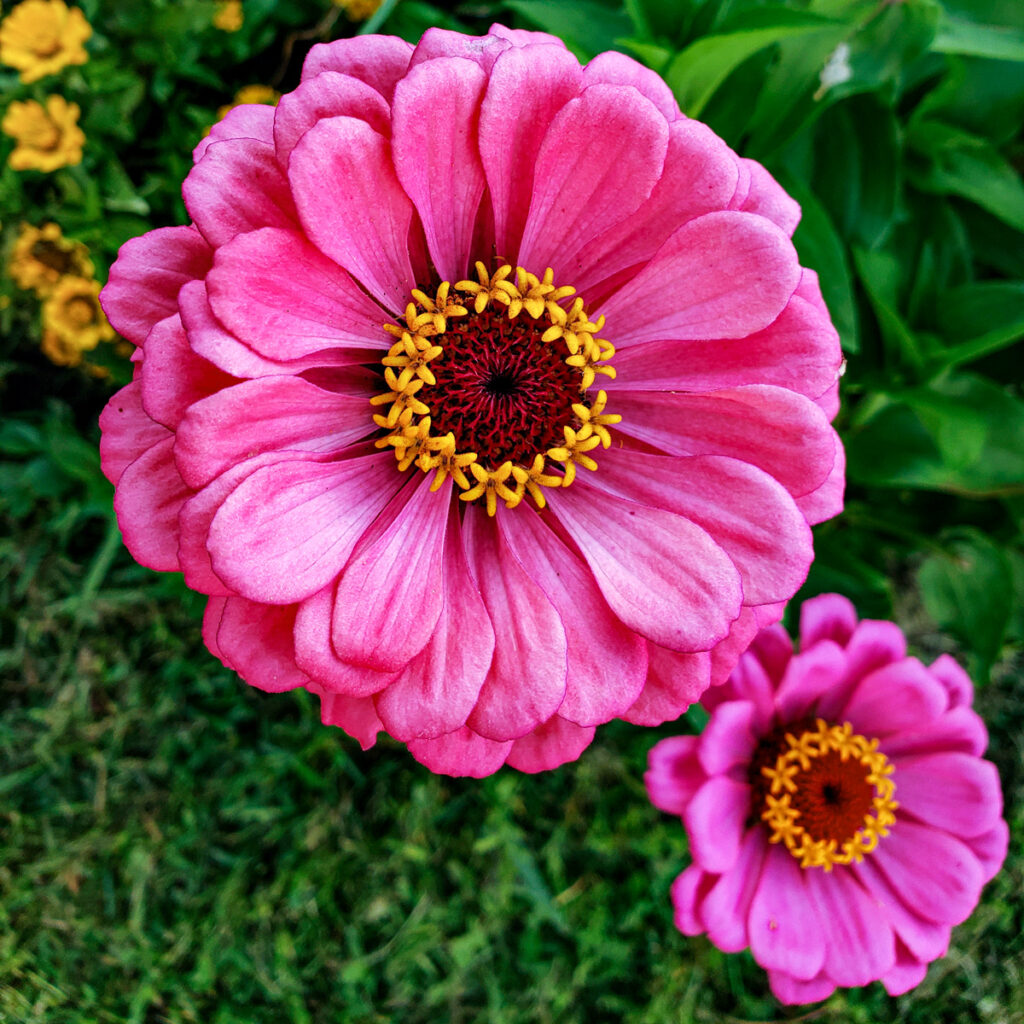
Double zinnias are gorgeous. I’ve grown them in previous years, and some produce big, densely packed flowers with layer after layer of petals. They make beautiful garden plants and cut flowers. But that extra petal production can come at a cost for pollinators.
On a heavily doubled flower, some of the structures that would normally produce pollen and nectar have developed into petals instead. The remaining flowers may also be buried deeper inside the bloom.
That does not mean a butterfly will never visit a double zinnia. It simply means that if your main reason for planting zinnias is feeding pollinators, singles and open-centered semi-doubles are the better choices. There is also no reason you can’t grow both.
A garden can have a few spectacular double zinnias for you and plenty of open flowers for the insects. Butterflies can see color very well, and bright flowers help make a planting easy for them to locate.
Zinnias make this easy because they come in just about every warm garden color imaginable, including red, pink, magenta, orange, yellow, white, and combinations of several colors.
At Bees Haven, I have several colors blooming at the same time. So far, I am much more interested in watching which individual flowers receive the most visits than assuming one particular color will always win. Flower shape, nectar availability, surrounding plants, weather, and the butterfly species visiting the garden can all play a role.
That gives me something else to watch as the season continues.
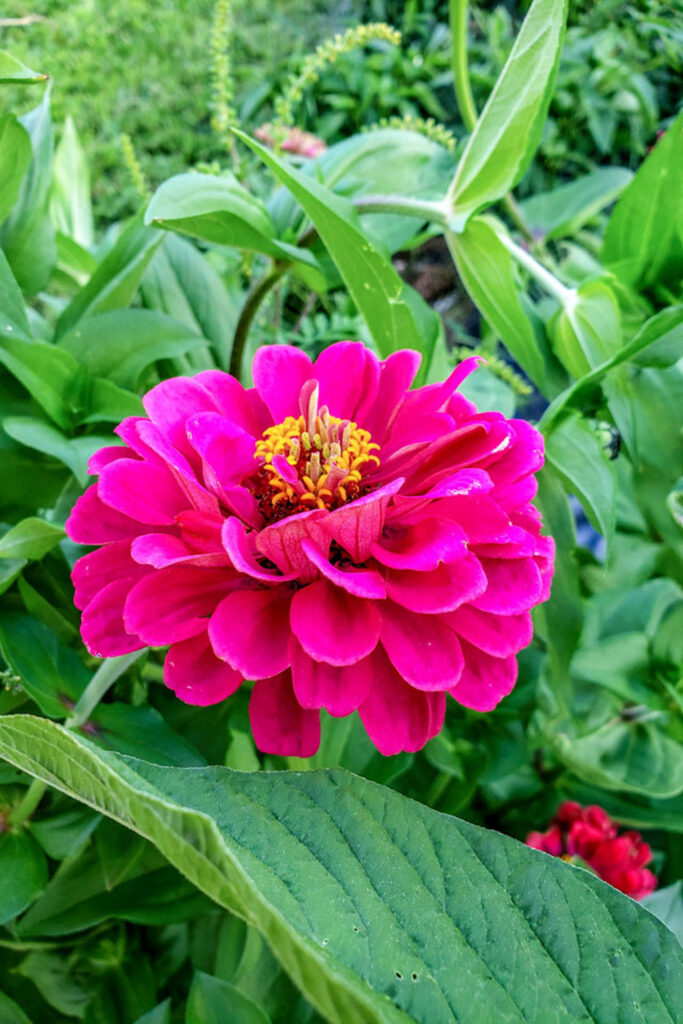
This double-flowered zinnia has lots of petals, but the center is still open enough for a butterfly or bee to feed. A very tightly packed cactus or pompon-style double would be a different story.
Plant More Than One Kind of Flower
As useful as zinnias are, I would not plant a pollinator garden made entirely of zinnias. Different insects need different things.
Some bees prefer flowers with very different shapes. Caterpillars need host plants. Butterflies need nectar plants as adults but also specific plants on which they can reproduce. Native insects may depend on native plants that have supported them for thousands of years. Zinnias work beautifully as part of that larger system.
Here, they grow among milkweed and other vegetation instead of replacing it. That gives visiting insects multiple choices in the same general area.
Let Zinnias Bloom Into Fall
One of my favorite things about zinnias is how long they can keep going.
By August, some spring and early-summer flowers are long finished. Zinnias are just hitting their stride.
Keep the plants flowering by removing spent blooms when practical. As fall approaches, I also like the idea of leaving some flower heads alone. The plants can finish their natural cycle, and you can collect seed if you are growing varieties worth saving.
More importantly, there is no need to clean up every fading flower the instant it stops looking perfect. A pollinator garden does not need to look like a manicured display garden.
The Best Zinnia for Pollinators
If I were buying zinnia seed specifically for butterflies and other pollinators, I would choose a mix with plenty of single and open-centered flowers.
Look for
- Single blooms with clearly visible centers
- Semi-double varieties that still expose the disk flowers
- A mixture of colors
- Varieties that flower heavily over a long period
- Several plants grouped together so pollinators can easily find them
You can still add doubles if you love them. Just don’t make densely doubled flowers the only zinnias available.
Watching the plants at Bees Haven this year has made me appreciate the simple singles much more. They may not always be the fanciest flowers in the seed catalog, but the butterflies appear to have their own opinion about what makes a good zinnia.
Keep Building a Pollinator-Friendly Garden
Zinnias are only one piece of a garden that supports pollinators throughout the season. Sunflowers are another excellent late-summer choice, especially when you choose pollen-producing varieties and plant several types with different bloom habits.
See how we use sunflowers to attract more pollinators at Bees Haven.
🌿 Gear Up for a Bee-Friendly Garden
Contains affiliate links, for full disclosure, see FTC Disclosure, here.
Looking for tools that actually work?
We’ve pulled together our favorite picks for beekeeping, gardening, and pollinator-friendly seeds—everything you need to support bees and grow a thriving space.
Browse the full list on Amazon — all in one spot.