

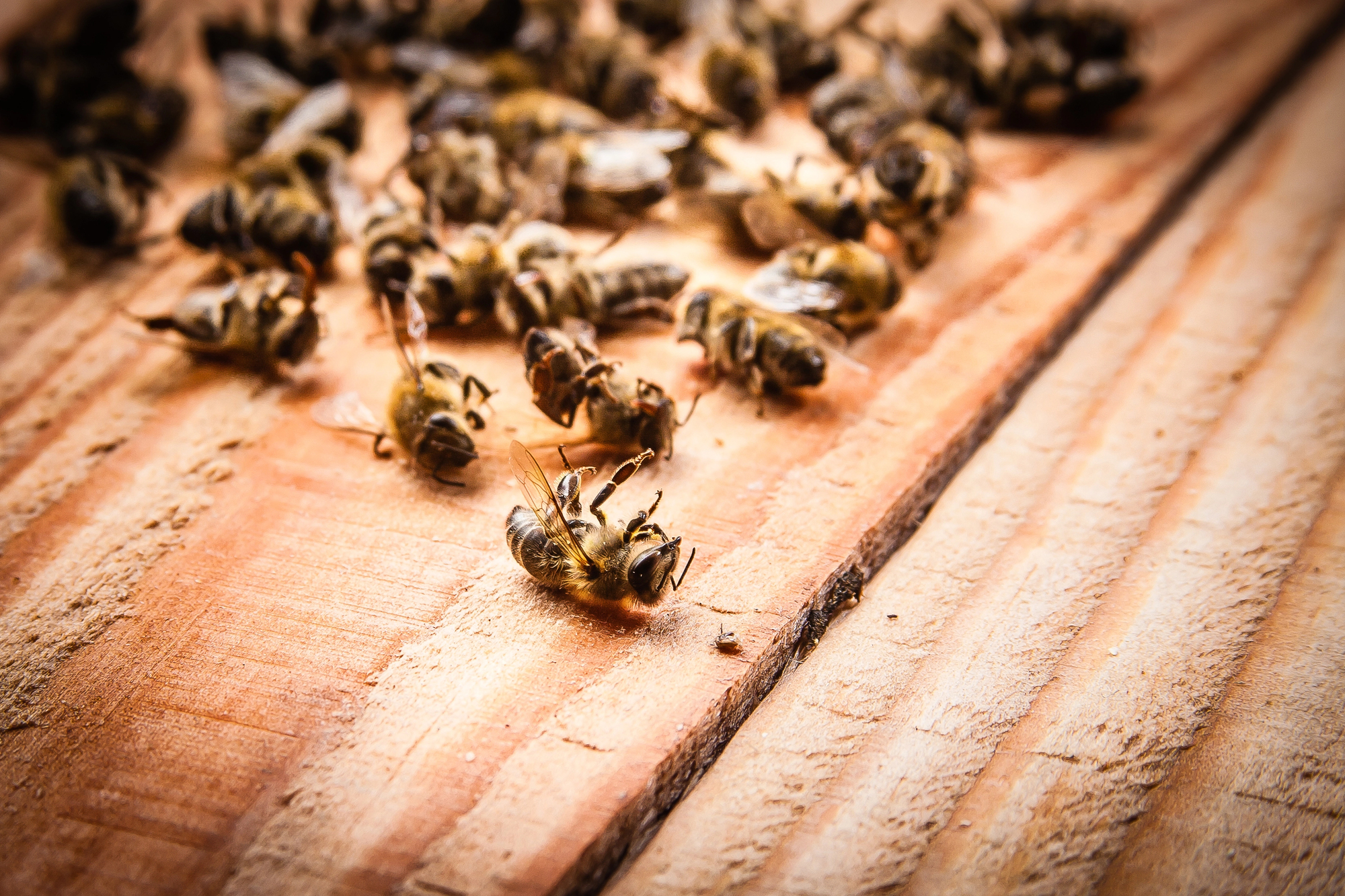

Mosquito control is important for protecting people from diseases such as West Nile virus, dengue, and Eastern equine encephalitis, but it shouldn’t come at the expense of millions of pollinators. After an aerial mosquito treatment was followed by the deaths of about 2.5 million honey bees in South Carolina, the incident became a lesson in how better timing, communication and mosquito management can help protect both people and pollinators.
What Happened to the Bees in South Carolina?
In August 2016, Dorchester County, South Carolina, was responding to cases of Zika virus, a mosquito-borne disease. Some areas couldn’t be reached by mosquito-control trucks, so the county arranged for an aerial application of naled, an insecticide used to kill adult mosquitoes. The following day, the owners of Flowertown Bee Farm reported that approximately 50 colonies had been killed. News reports at the time estimated the loss at about 2.5 million honey bees.
A Clemson University investigation found no violations of pesticide regulations but did not eliminate the mosquito treatment as a possible contributor to the bee deaths. The legal dispute continued for years, and in February 2026, the South Carolina Court of Appeals upheld a ruling for Dorchester County.
The legal case is complicated. The lesson for pollinator conservation is much simpler. Mosquitoes need to be controlled, especially when they are carrying disease. But you can reduce mosquitoes while also reducing the risk to bees and other beneficial insects.
Mosquito Control Doesn’t Have to Start With Spraying Adult Mosquitoes
The best mosquito-control programs don’t rely on one method. The CDC recommends integrated mosquito management, which combines mosquito surveillance, removing breeding sites, controlling larvae, controlling adults when necessary, monitoring insecticide resistance, and evaluating whether treatments worked.
An important part of that approach happens before mosquitoes ever become flying adults. Mosquitoes need standing water to complete their life cycle. That can include obvious places such as ponds and drainage ditches, but also buckets, discarded tires, clogged gutters, birdbaths, flowerpot saucers, and other small containers.
Removing standing water can prevent many mosquitoes from developing in the first place. When water can’t be drained or removed, you can often treat mosquito larvae before they become adults.
Target Mosquito Larvae When Possible
One option is Bacillus thuringiensis israelensis, usually called Bti. Bti is a naturally occurring bacterium used to control the larvae of mosquitoes, black flies, and fungus gnats. The EPA reports that Bti has minimal toxicity to honey bees and that its toxins specifically affect those targeted larvae rather than insects such as honey bees. This makes larval control especially useful.
Instead of spraying an insecticide through an area filled with flying insects, mosquito-control programs can treat mosquito breeding areas before those larvae become biting adults. The CDC says controlling larvae and pupae can reduce the need for widespread insecticide use against adult mosquitoes.
That doesn’t mean larvicides can eliminate every mosquito problem. During an outbreak of mosquito-borne disease, killing infected adult mosquitoes may be necessary to protect public health. But controlling mosquitoes earlier in their life cycle can reduce how often adulticides are needed.
When Adult Mosquitoes Must Be Sprayed, Timing Matters
Naled and other adulticides are designed to kill insects. They don’t somehow recognize which flying insect is a mosquito. The EPA warns that naled can kill bees outside their hives during an application.
That is why mosquito spraying is typically done between dusk and dawn. Mosquitoes are active during this period, while most honey bees have returned to their hives. Spraying while bees and other pollinators are actively visiting flowers increases the chance that they will be exposed.
The CDC also tells homeowners not to apply adult mosquito insecticides directly to blooming plants or plants being visited by bees, butterflies, and other pollinators. Timing won’t protect every insect. Native bees, moths, and other beneficial insects don’t all behave like honey bees. But avoiding times when large numbers of pollinators are actively foraging is an important way to reduce unnecessary exposure.
Give Beekeepers Enough Warning
Communication was one of the major issues surrounding the South Carolina incident. Dorchester County issued the public notice required by law before the aerial application. County officials had also contacted local beekeepers before some previous mosquito treatments as a courtesy.
Before the 2016 aerial spray, however, an official attempted to contact the owners of Flowertown Bee Farm using an incorrect phone number. They didn’t receive the warning. That distinction eventually became important in court because the county had fulfilled its legal obligation by issuing public notice.
From a pollinator-protection standpoint, though, direct notification makes sense whenever possible. If beekeepers know when spraying will occur and exactly what area will be treated, they may be able to temporarily cover colonies, provide clean food and water, or move colonies outside the treatment area.
The EPA recommends these measures to reduce honey bee exposure to naled. A press release may meet a legal requirement. A phone call, text alert, or email to registered beekeepers may save colonies.
Honey Bees Aren’t the Only Pollinators at Risk
Honey bee losses are relatively easy to notice. A beekeeper can walk into an apiary and immediately see thousands of dead bees outside the hives. Native pollinators are different.
Bumble bees, sweat bees, mining bees, mason bees, butterflies, moths, and countless other insects are scattered across the landscape. No one is checking every nest or counting every dead insect after a pesticide application. Many can’t be temporarily enclosed or moved away from an upcoming spray. That makes preventing unnecessary exposure even more important.
How We Can Do Better
Mosquito control and pollinator protection aren’t competing goals. Communities can work toward both. The CDC’s integrated mosquito-management approach provides a good model: monitor mosquito populations, eliminate breeding sites, target larvae when possible, and use adulticides when surveillance shows they are needed.
When adulticides are necessary, several precautions can reduce the risk to pollinators:
- Spray when pollinators aren’t actively foraging. Avoid daytime treatments and blooming plants whenever possible.
- Notify beekeepers early. Give them enough time to protect or temporarily relocate colonies.
- Target mosquito larvae. Removing standing water and using larvicides such as Bti can prevent mosquitoes from reaching adulthood.
- Use adulticides only when they are needed. Mosquito surveillance can help determine when adult mosquito populations or disease risks justify treatment.
- Follow pesticide labels exactly. More pesticide isn’t better, and applications should be limited to the locations and rates specified on the label.
- Keep the public informed. Clear notice of when and where spraying will occur allows residents and beekeepers to take precautions.
Mosquito-borne diseases are a real public-health concern. Controlling mosquitoes is necessary. So is protecting pollinators.
The deaths of millions of bees in South Carolina show what can happen when those two needs aren’t balanced well enough. The goal shouldn’t be to stop mosquito control. It should be to control mosquitoes as carefully and precisely as possible while protecting the bees and other insects sharing the same landscape.
🌿 Gear Up for a Bee-Friendly Garden
Contains affiliate links, for full disclosure, see FTC Disclosure, here.
Looking for tools that actually work?
We’ve pulled together our favorite picks for beekeeping, gardening, and pollinator-friendly seeds—everything you need to support bees and grow a thriving space.
Browse the full list on Amazon — all in one spot.

