Honey bees do not live on honey alone. Honey supplies plenty of carbohydrates, but bees also need protein, fats, vitamins, minerals, and other nutrients. Much of that nutrition comes through pollen.
But honey bees do something interesting with the pollen they carry back to the hive. They pack it into cells and turn it into a food called bee bread.
Bee bread is one of the most important food stores in a honey bee colony. It helps support growing larvae, young worker bees, and the enormous amount of work happening inside an active hive.
What Is Bee Bread?
Bee bread is stored and processed pollen.
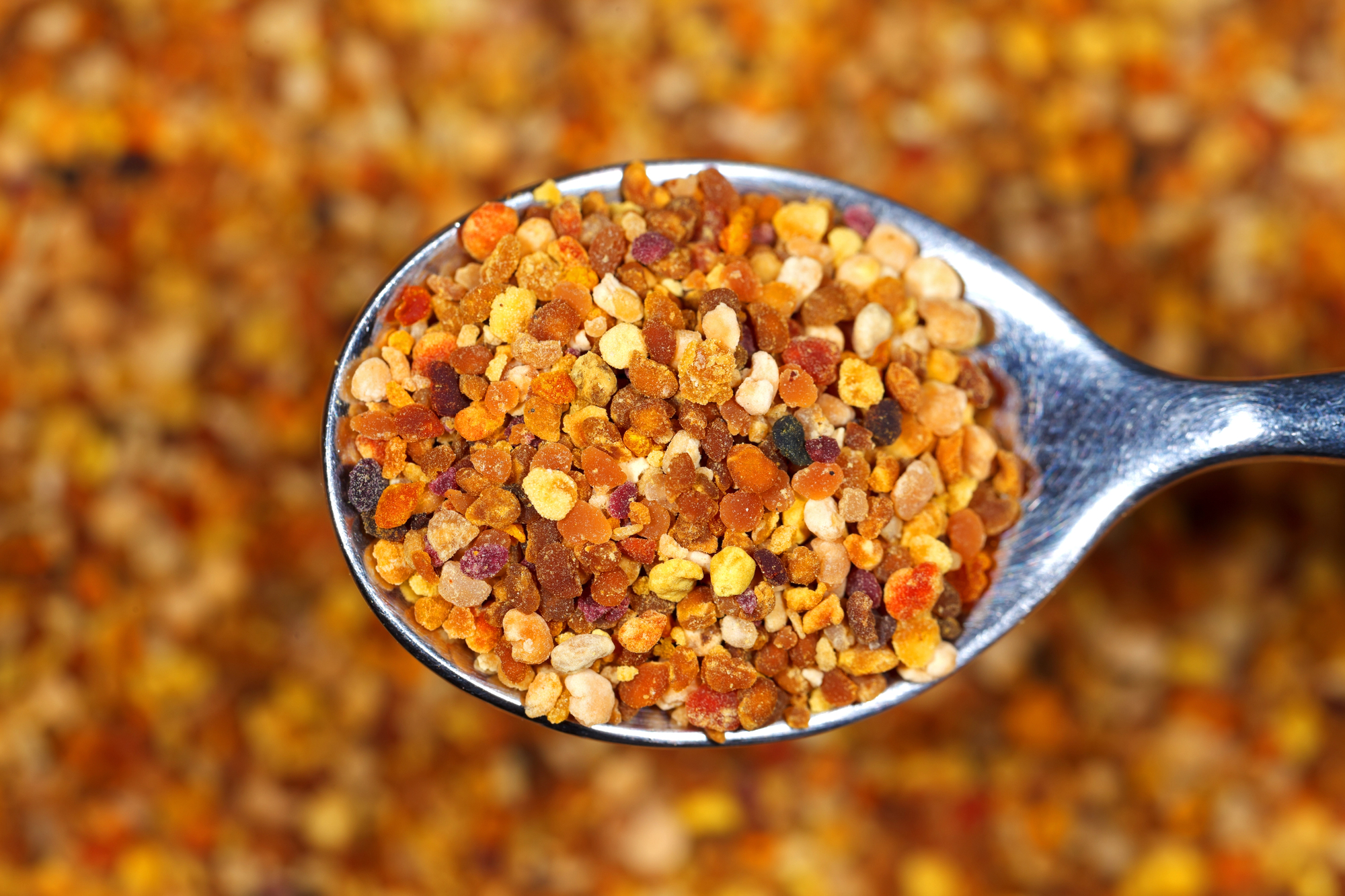
Foraging worker bees collect pollen while visiting flowers and carry it back on their hind legs. Inside the hive, the pollen is packed into honeycomb cells. Bees add nectar or honey along with their own secretions. Microbial activity and changes inside the stored pollen produce the food we call bee bread.
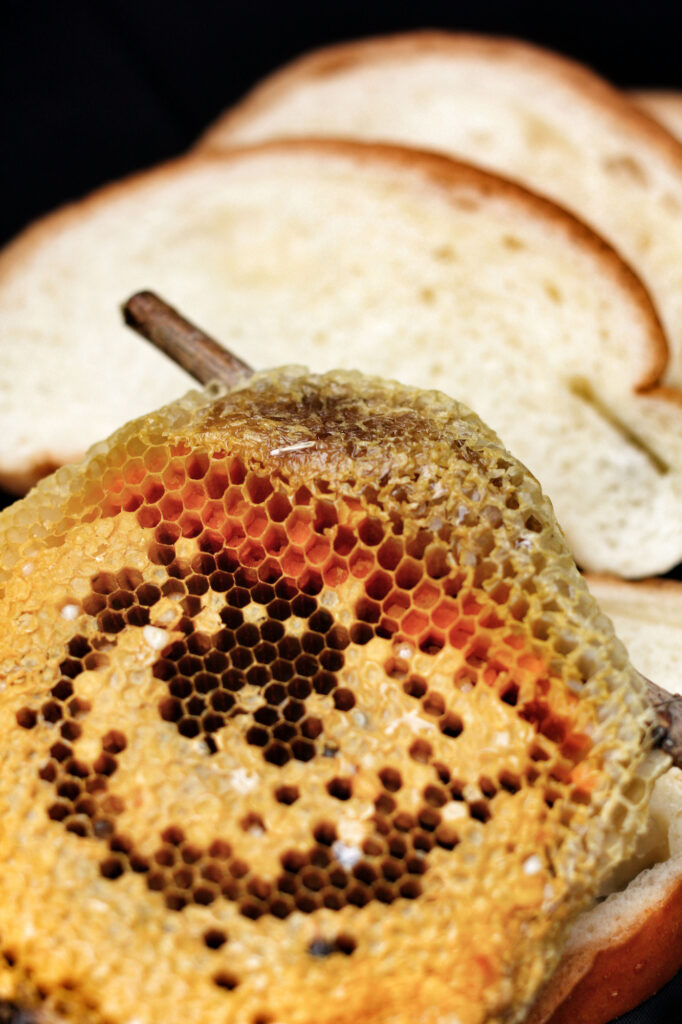
If you look at a frame containing bee bread, the cells may be yellow, orange, red, brown, or even nearly black. Those colors often reflect the different flowers visited by the bees. That colorful patchwork is essentially a record of what has been blooming around the hive.
Why Don’t Honey Bees Just Eat Fresh Pollen?
Some pollen is eaten soon after collection. Honey bees also store pollen so food is available when flowers or good foraging weather are limited.
That stored supply becomes especially important while a colony is raising brood. Nurse bees use pollen resources along with honey while caring for developing young.
Bee bread also changes chemically after pollen has been stored. USDA researchers have found differences in acidity, amino acids, and other characteristics between fresh pollen and bee bread.
Scientists are still studying exactly what happens during this process and how much the microbial community contributes. So calling bee bread simply fermented pollen gets the basic idea across, but there is more going on inside those tiny cells.
Bee Bread Is the Colony’s Protein Store
Honey provides energy. Pollen provides many of the nutrients bees cannot get through honey alone.
Pollen contains protein, amino acids, lipids, vitamins, minerals, and other compounds bees need. Its nutritional value can vary significantly depending on the plant species and even the season. That makes a steady supply of pollen important, especially during periods of rapid colony growth.
Young worker bees consume pollen and bee bread while developing the glands they use during their nursing duties. Strong pollen nutrition is closely tied to brood production and colony development.
Flower Diversity Matters
Not all pollen is nutritionally identical. Different plants produce pollen with different combinations and concentrations of proteins, amino acids, fatty acids, and other nutrients. Researchers have even found nutritional differences between pollen collected during different seasons.
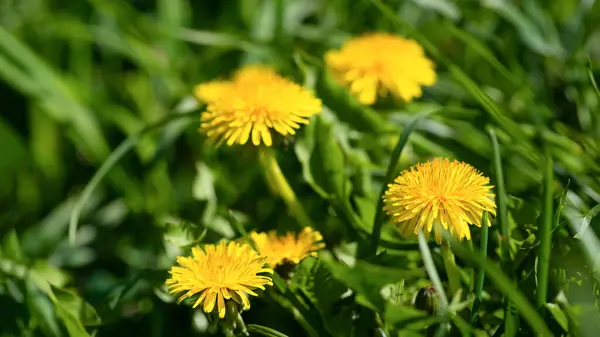
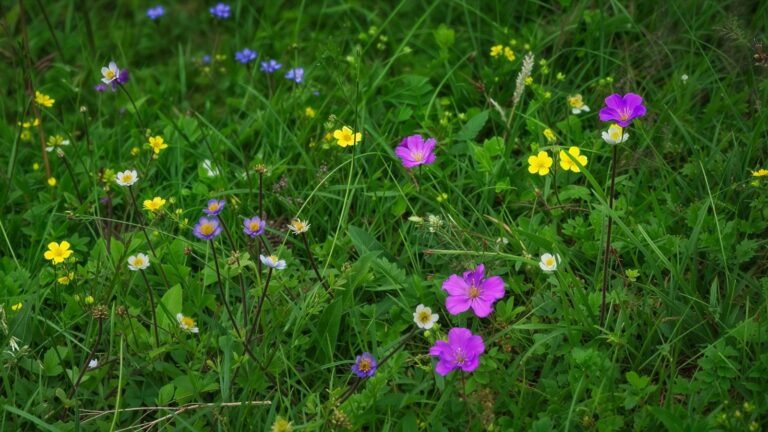
That is one reason a yard filled with many kinds of flowers can be more useful than one dominated by a single plant. A honey bee colony can gather pollen across a surprisingly large landscape, but what grows near the hive still matters.
Providing overlapping bloom periods gives bees more opportunities to collect food throughout the growing season. Think flowering trees and shrubs in spring, perennials and annuals through summer, and late bloomers that continue producing pollen as fall approaches.
What Happens When Pollen Is Scarce?
A shortage of quality pollen can become a serious problem for a colony. Brood rearing requires substantial nutrition. In early spring, colonies can begin expanding quickly even while weather remains unpredictable. Several cold or rainy days may suddenly prevent bees from reaching flowers. Stored pollen and honey help carry the colony through those interruptions.
Beekeepers sometimes provide pollen substitutes when natural pollen is limited. Those products can help in certain situations, but they are not necessarily equal to natural pollen. USDA research has found differences in digestibility and bee health between natural pollen and some substitute diets. For bees with access to good habitat, flowers remain the original grocery store.
Do Other Bees Make Bee Bread?
Yes, although the details vary considerably among species. Honey bees are the species most commonly associated with bee bread stored in honeycomb. But many solitary bees also provision their nests with mixtures of pollen and nectar.
A female solitary bee may gather pollen and nectar, form it into a small food mass inside a brood cell, lay an egg beside it, and seal the chamber. The developing larva then has its food waiting when it hatches. So the idea of preparing pollen-based food for young bees extends well beyond a honey bee hive.
How You Can Help Bees Fill Their Pantry
You do not need to keep honey bees to help provide pollen. Planting a variety of flowering plants is one of the simplest ways to support bees. Try to include plants that bloom at different times rather than having everything flower during the same few weeks.
Flowering trees and shrubs are especially valuable because one large plant can produce thousands of flowers. Native perennials, herbs, vegetables allowed to flower, annuals such as zinnias and sunflowers, and flowering groundcovers can all add another source of pollen or nectar.
Avoid treating every non-grass plant in the lawn or garden as something that needs removal. Clover, self-heal, and many other small flowers can provide useful forage. Creating habitat with a variety of blooming plants can support a more diverse local bee community.
Bee Bread Shows Why Flowers Matter
Bee bread is easy to overlook because most of us never see the inside of a honey bee hive. But every packed cell represents dozens of trips into the surrounding landscape.
A bee visited flowers, collected pollen, carried it home, and workers stored it where the colony could use it later. Those little cells also show why supporting bees means more than planting one pollinator plant.
Bees need flowers across the season. They need different kinds of pollen. And they need enough habitat around them to keep that pantry stocked. That gives us something very practical we can do.
Keep something blooming.
Learn about The Incredible Life Cycle of Honey Bees.
🌿 Gear Up for a Bee-Friendly Garden
Contains affiliate links, for full disclosure, see FTC Disclosure, here.
Looking for tools that actually work?
We’ve pulled together our favorite picks for beekeeping, gardening, and pollinator-friendly seeds—everything you need to support bees and grow a thriving space.
Browse the full list on Amazon — all in one spot.