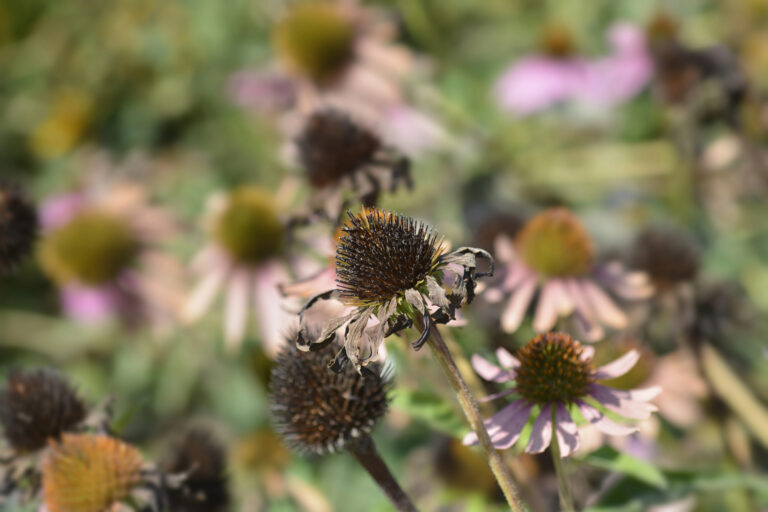
By late summer, many gardens are starting to look tired. Spring flowers are long gone. Some summer favorites are fading too.
But the bees are still busy. Late summer flowers provide important pollen and nectar. They help honey bees, bumble bees, and many native bees continue feeding as fall approaches.
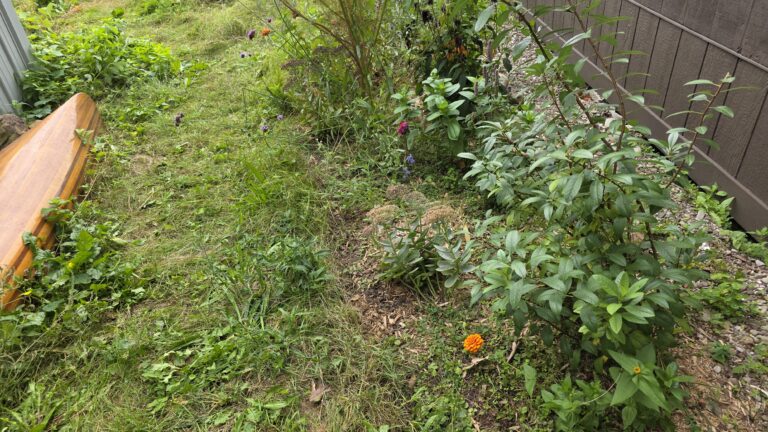
This is one reason I don’t rush garden cleanup in August. Some of the plants that look a little wild right now may be among the most valuable plants in the yard.
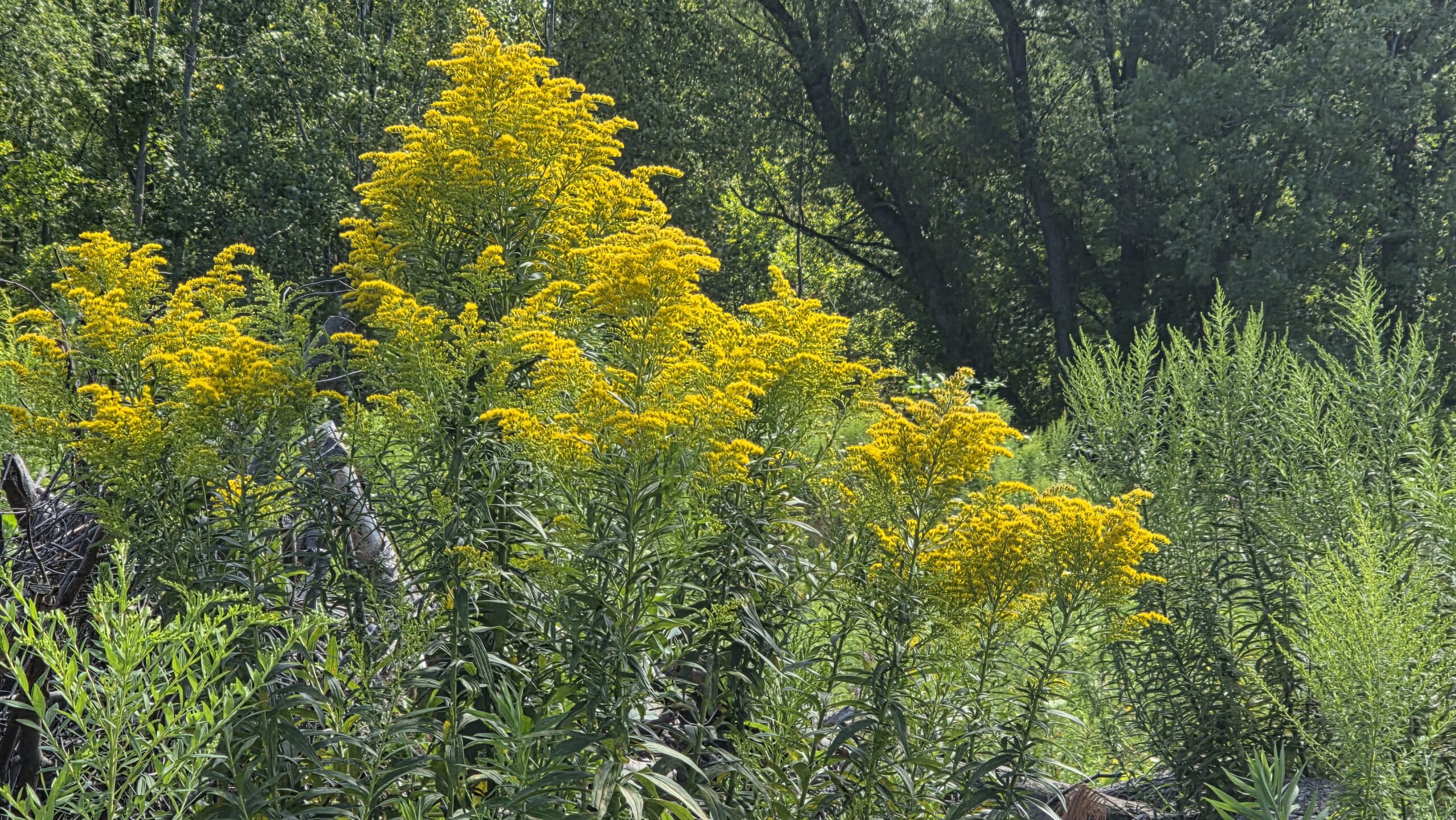
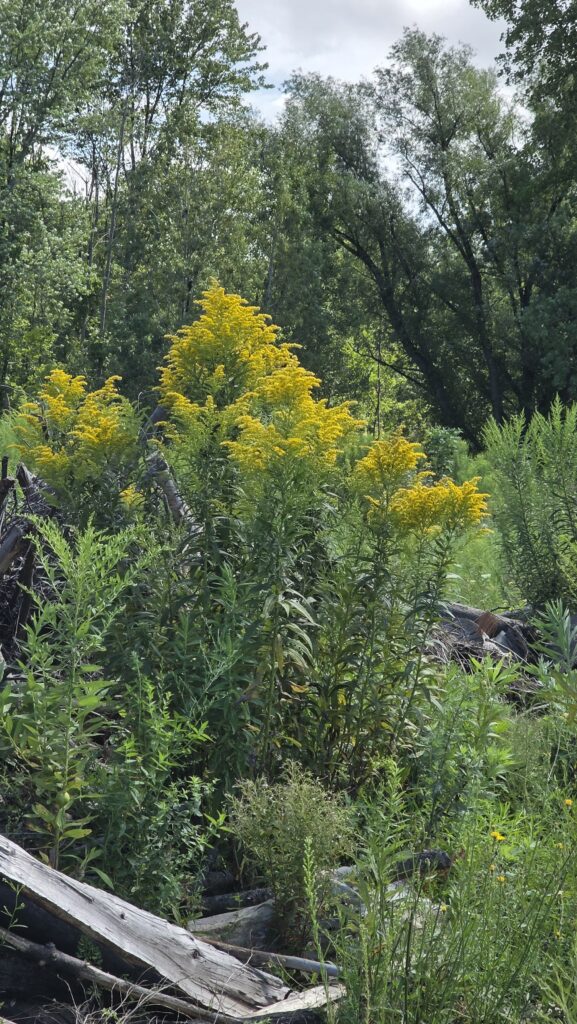
Goldenrod
Goldenrod is one of the stars of the late-summer landscape. Its bright yellow flowers provide pollen and nectar when fewer plants are blooming. Large patches can attract an incredible number of insects.
Goldenrod also gets blamed for fall allergies. Ragweed is usually the bigger culprit. Goldenrod pollen is heavy and sticky, so insects carry much of it instead of the wind. If goldenrod appears naturally on your property, consider leaving some of it in place.
New England Aster
New England aster produces purple flowers with bright yellow centers. It starts blooming as many summer perennials are fading. Bees, butterflies, and other insects visit the flowers. These asters can grow quite tall. They work especially well along meadow edges or toward the back of a pollinator garden.
New York Aster
New York aster is another excellent native choice. Its purple-blue flowers bloom late in the growing season. The flowers provide both nectar and pollen. Asters are especially valuable because they extend the bloom season into fall.
Joe-Pye Weed
Joe-Pye weed is hard to miss. Tall stems hold large clusters of pinkish-purple flowers. On sunny days, those flowers can be covered with bees and butterflies. Give this plant some room. Many species grow several feet tall and work beautifully in naturalized areas.
Jewelweed
Jewelweed often grows naturally in damp areas. The orange flowers are especially interesting because bumble bees can disappear almost completely inside them while feeding. Jewelweed can spread freely where conditions suit it. In a natural area, that can create a large late-summer food source.
Mountain Mint
Mountain mint may not have the biggest flowers in the garden, but pollinators seem to find it irresistible. A single patch can attract bees, wasps, flies, and butterflies at the same time. It also blooms for a fairly long period. That makes it useful for filling gaps between other flowering plants.
Black-Eyed Susan
Black-eyed Susan adds bright yellow flowers to summer and early fall gardens. Different species and growing conditions affect bloom time. Plants that are still flowering in August continue providing food for visiting insects. Leave healthy flowers in place instead of cutting everything back as soon as summer begins winding down.
Ironweed
Ironweed produces intense purple flowers in late summer. It thrives in many sunny locations. Some species also tolerate moist soil. The flowers attract numerous pollinators and pair beautifully with goldenrod.
Don’t Deadhead Everything Yet
Late summer isn’t the time for a spotless garden. If a plant is still producing flowers, give it time before cutting it back. Bees may still be using it.
You can also leave some spent flower stems standing later in the year. Hollow or pithy stems can provide nesting habitat for certain native bees. Seed heads provide another benefit. Birds may feed on them during fall and winter.
Plant for a Longer Bloom Season
A good pollinator garden shouldn’t peak for only a few weeks. Try planting species that flower at different times of year. Start with spring bloomers. Add plenty of summer flowers. Then include several plants that keep blooming well into fall.
Planting groups of the same flower also makes feeding more efficient for bees. They can visit many blooms without traveling far. Even a small patch can help.
August Is Still an Important Month for Bees
It is easy for gardeners to mentally move on once August arrives. The pollinators haven’t.
Bees are still gathering food. Colonies are preparing for the months ahead. Native pollinators are completing their own life cycles. Those slightly unruly patches of goldenrod and asters may be doing much more good than a perfectly cleaned-up garden.
Cornell’s College of Agriculture and Life Sciences Northeast beekeeping calendar notes that colonies begin producing longer-lived winter bees near the end of August. That makes reliable late-summer pollen and nectar especially important as bees prepare for the months ahead.
So before you grab the pruners, take another look. If it’s blooming, there’s a good chance something still needs it.
Keep Helping Pollinators
Learn more about creating a yard that provides food and habitat throughout the growing season in our guide to What Bees Really Need to Survive in Your Yard.
🌿 Gear Up for a Bee-Friendly Garden
Contains affiliate links, for full disclosure, see FTC Disclosure, here.
Looking for tools that actually work?
We’ve pulled together our favorite picks for beekeeping, gardening, and pollinator-friendly seeds—everything you need to support bees and grow a thriving space.
Browse the full list on Amazon — all in one spot.