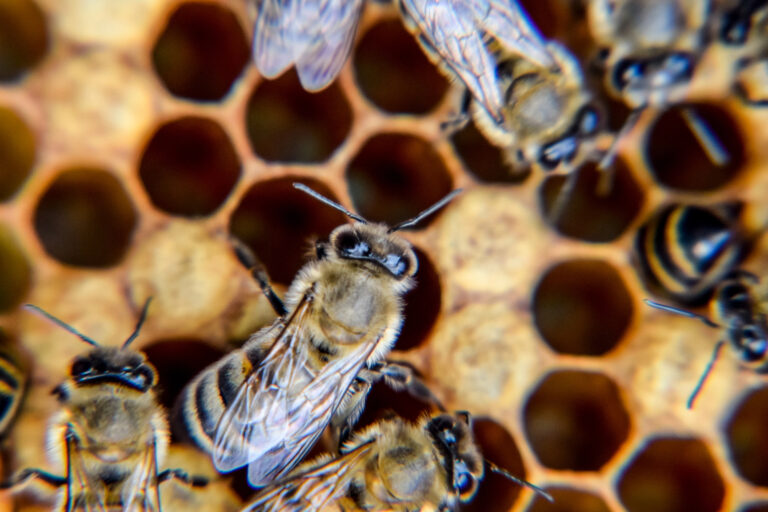

A honey bee born in summer may live only a few weeks. A honey bee born as summer winds down can live for months. They are both worker honey bees. So what changes?
The long-lived bees that carry a colony through the coldest part of the year are often called winter bees. They begin appearing in late summer and fall, just as the colony starts preparing for winter. And they are remarkably different from the summer workers we see flying from flower to flower.
What Is a Winter Bee?
Winter bees are female worker honey bees that are produced toward the end of the growing season. Cornell University’s Northeast beekeeping calendar notes that many bees born from the end of August onward are winter bees. These workers live much longer than their summer sisters.
That timing matters. During spring and summer, a colony can continually produce new workers. A short lifespan isn’t necessarily a problem when thousands of new bees are developing.
Winter changes everything. Once cold weather arrives, brood production slows dramatically or may temporarily stop. The colony needs workers that can survive until brood production increases again. Winter bees fill that role.
How Long Do Winter Bees Live?
Summer worker bees commonly live for only several weeks. Research has found that worker bees caring for brood may survive around three to six weeks. When brood rearing declines, worker lifespan can extend to 20 weeks or longer.
That means a worker emerging in late summer or fall may still be alive when spring arrives. Instead of replacing generations of workers throughout winter, the colony depends heavily on this long-lived group.
Why Do Winter Bees Live Longer?
Winter bees aren’t simply summer bees that happen to avoid dying. Their physiology is different. One important difference involves a protein called vitellogenin.
Vitellogenin acts as a nutrient reserve and plays several roles in honey bee health. Research has linked higher vitellogenin levels with longevity, immune function, and the ability to withstand oxidative stress.
Summer workers use substantial resources caring for developing brood. As brood production decreases later in the season, young workers can build larger protein and fat reserves instead. Those reserves help create bees equipped to survive for months rather than weeks.
Winter Bees Have Extra Reserves
Winter bees develop enlarged fat bodies compared with many summer workers. In insects, the fat body isn’t simply stored body fat. It performs important metabolic and immune functions.
The fat body helps remove toxins, stores and releases energy, and supports the bee’s immune system so it can fight disease. Those extra reserves help winter bees survive long periods when they cannot forage. They also become especially important when brood rearing begins again.
Winter Bees Help Raise the Next Generation
Winter bees do more than survive the cold. They have to keep the colony functioning until spring workers can replace them.
As days begin getting longer, the queen gradually resumes laying more eggs. Those larvae need food. Winter workers use nutrients stored in their bodies to help produce food for the developing brood. In other words, the bees that survive winter help create the bees that will eventually replace them.
What Do Winter Bees Do Inside the Hive?
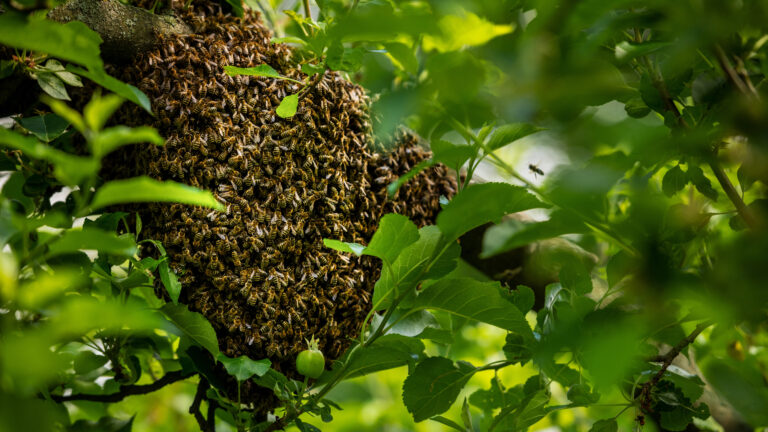
Honey bees don’t hibernate. When temperatures drop, thousands of workers gather into a winter cluster. The bees generate heat by contracting their flight muscles. Workers continually change positions within the cluster so individuals don’t remain on the cold exterior indefinitely.
The cluster gradually moves through the hive to reach stored honey. On warmer winter days, some bees may leave the hive briefly for cleansing flights. Most of the time, though, winter bees remain inside, conserving energy and helping maintain conditions that allow the colony to survive.
Why Late-Summer Flowers Matter
The timing of winter bee production is one more reason late-summer and fall flowers are so important. Cornell notes that goldenrod nectar flow is greatest during August in the Northeast. Asters, Joe-Pye weed, jewelweed, mint and several other plants may also provide pollen or nectar during this period.
That food arrives when colonies are beginning their winter preparations. Young bees need adequate nutrition to develop the protein and nutrient reserves associated with winter longevity. A landscape full of flowers in May but nearly empty in August and September leaves a major seasonal gap.

Varroa Mites Can Be Especially Dangerous Now
Late summer is also a critical period for another reason. Cornell notes that untreated Varroa mite populations often peak in August or September.
That coincides with the period when colonies are producing the workers that must survive winter. Research has found that Varroa mites and the viruses associated with them can shorten the lifespan of winter bees.
A colony may appear strong in late summer yet enter winter with workers that aren’t healthy enough to survive until spring. This is one reason late-summer colony health can have such a large effect on winter survival.
Summer Bees and Winter Bees Have Different Jobs
The contrast is fascinating. A summer worker may spend her short adult life nursing brood, maintaining the hive and eventually foraging.
Her colony can replace her quickly. A winter bee has a very different assignment. She needs to conserve resources, help maintain the winter cluster, survive for months, and eventually help raise the colony’s first new generations.
They are the same species, same worker caste, with a very different life strategy.
Winter Survival Starts in Summer
It’s easy to think of winter survival as something that begins when temperatures fall. For honey bees, preparation starts much earlier.
By late August, colonies in the Northeast are already beginning the biological transition that will carry them through winter. Those bees visiting goldenrod and asters at the end of summer aren’t simply gathering the last nectar of the season. Some of them are helping build the reserves that will keep an entire colony alive until spring.
Learn More About Bees in Winter
Winter bees are only one part of the colony’s cold-weather survival strategy.
Read How Overwintering Bees Survive the Cold to see how honey bees cluster, generate heat and make it through months when flowers disappear.
🌿 Gear Up for a Bee-Friendly Garden
Contains affiliate links, for full disclosure, see FTC Disclosure, here.
Looking for tools that actually work?
We’ve pulled together our favorite picks for beekeeping, gardening, and pollinator-friendly seeds—everything you need to support bees and grow a thriving space.
Browse the full list on Amazon — all in one spot.