Bird’s-foot trefoil may not be the showiest wildflower growing along roadsides and fields, but it has one feature that makes it especially valuable for pollinators. It blooms for months. While many wildflowers put on a colorful display for only a few weeks, bird’s-foot trefoil often starts blooming in late spring, mid-May, and continues producing flowers well into summer. In many areas, fresh blooms can still be found in late July and even August.
That long bloom season makes it an important nectar source for bees, butterflies, and other beneficial insects when other flowers have already finished.
What Is Bird’s-Foot Trefoil?
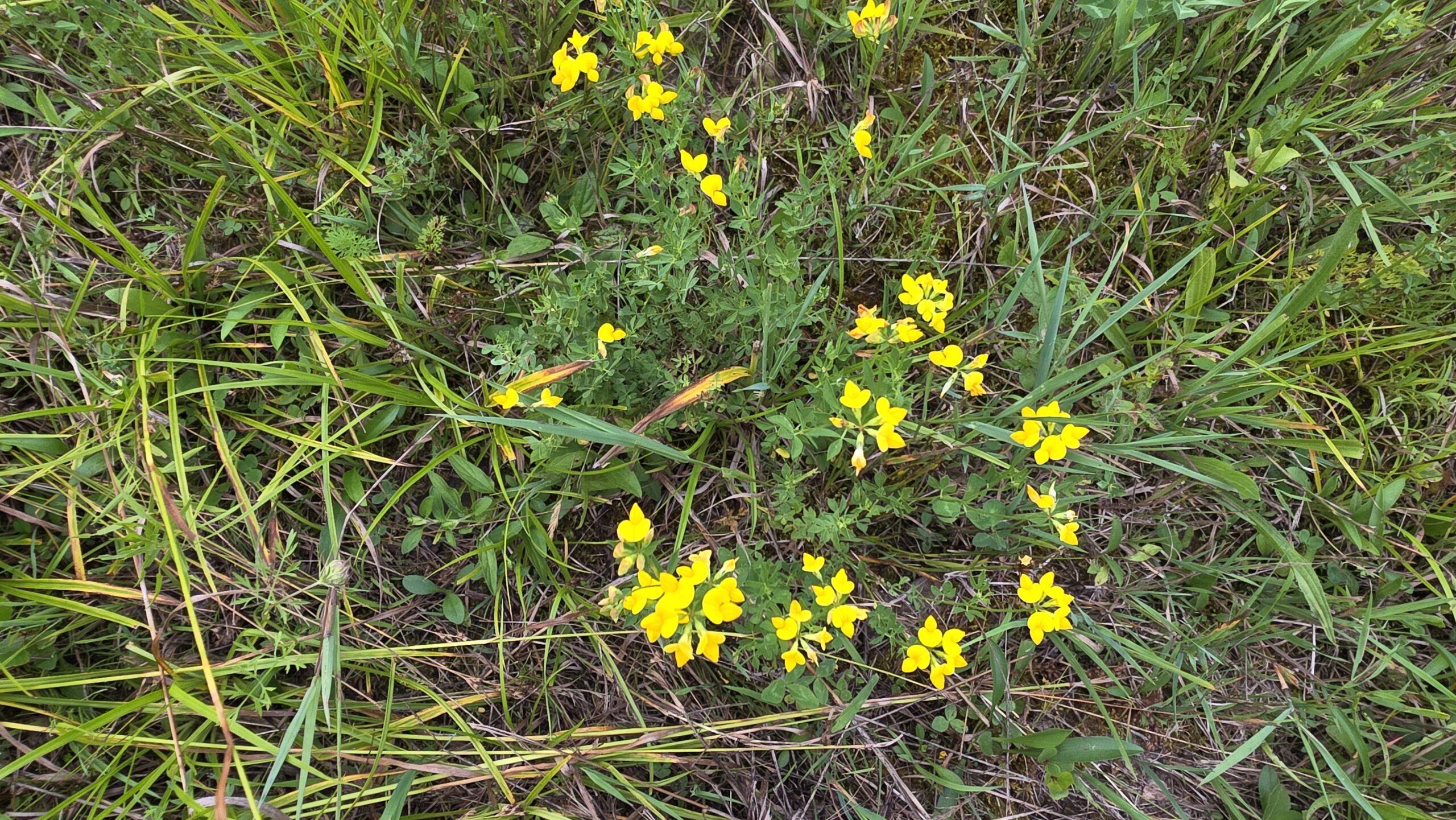
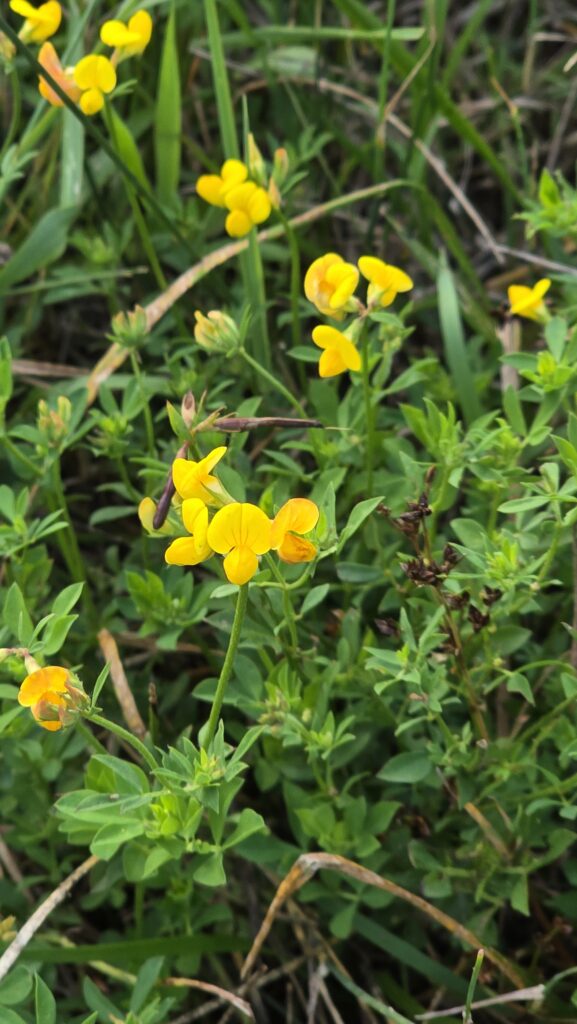
Bird’s-foot trefoil (Lotus corniculatus) is a low-growing perennial in the pea family. It produces clusters of bright yellow flowers that sometimes develop orange or reddish streaks as they age.
The common name comes from its seed pods. After flowering, several narrow pods spread outward from a single point, resembling a bird’s foot.
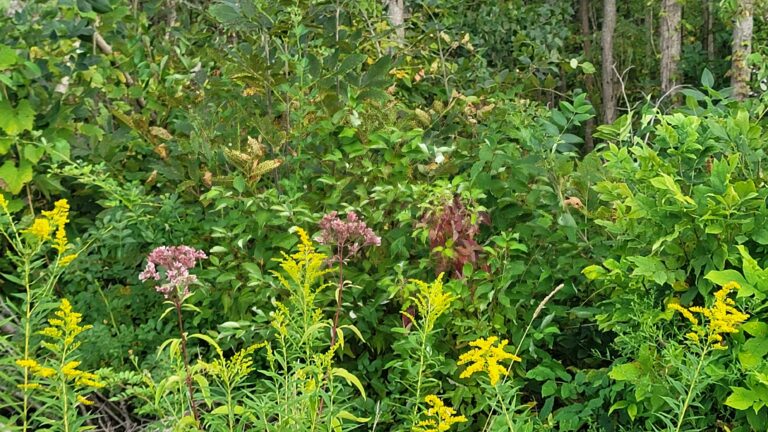
Originally introduced from Europe, bird’s-foot trefoil has become common throughout much of North America. It grows in meadows, roadsides, old fields, pastures, and other sunny locations. Because it tolerates poor soils and drought, it often thrives where other plants struggle.
One of the Longest Blooming Wildflowers
Many spring wildflowers finish blooming within a few weeks. Even some favorite pollinator plants have relatively short flowering periods.
Bird’s-foot trefoil is different.
New flower buds continue developing throughout much of the growing season. Instead of producing one large flush of flowers, the plant keeps sending up fresh blooms while older flowers form seed pods. As long as conditions remain favorable, the cycle continues for weeks or even months.
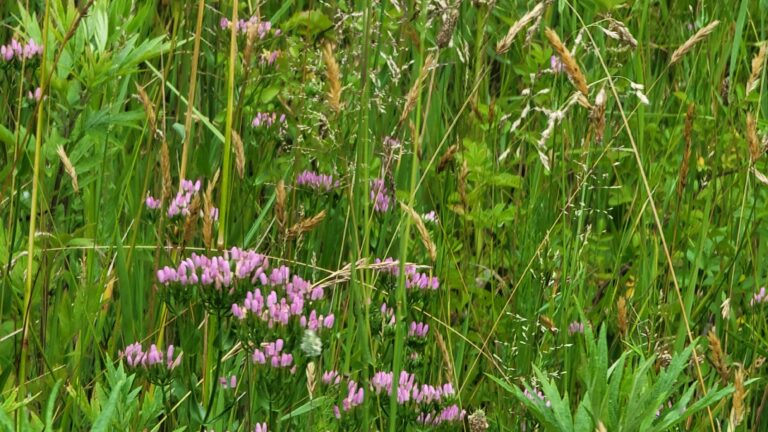
On the Bees Haven property, bird’s-foot trefoil is one of the first common wildflowers to begin blooming each year. By late July, many plants are still covered with fresh blossoms while neighboring wildflowers have already gone to seed.
That extended flowering period provides a reliable food source during the middle of summer, when nectar can become harder to find.
A Favorite Stop for Pollinators
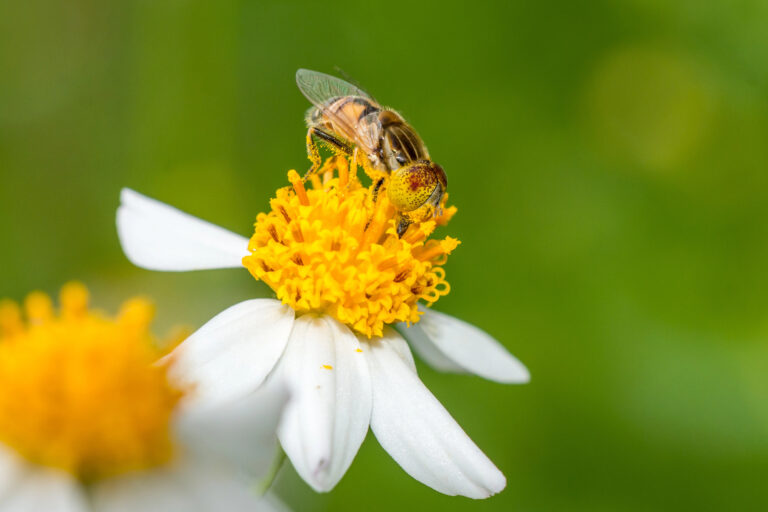
The bright yellow flowers attract a wide variety of insects throughout the season.
Visitors commonly include:
- Honey bees
- Native bees
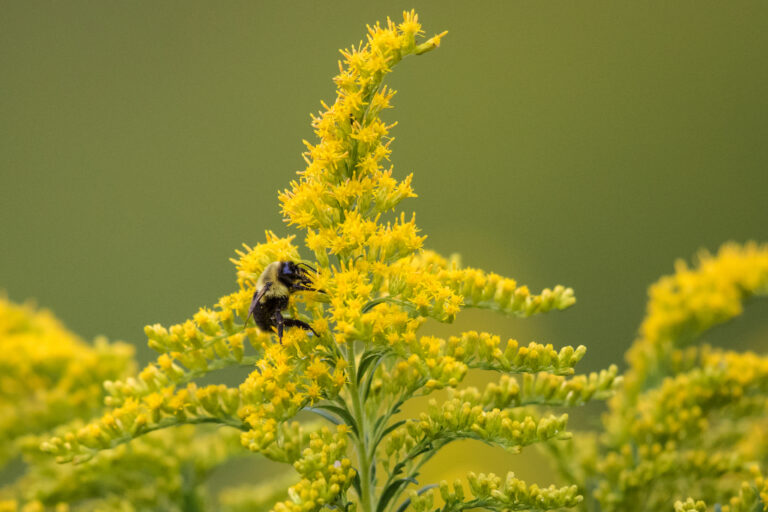
- Bumble bees
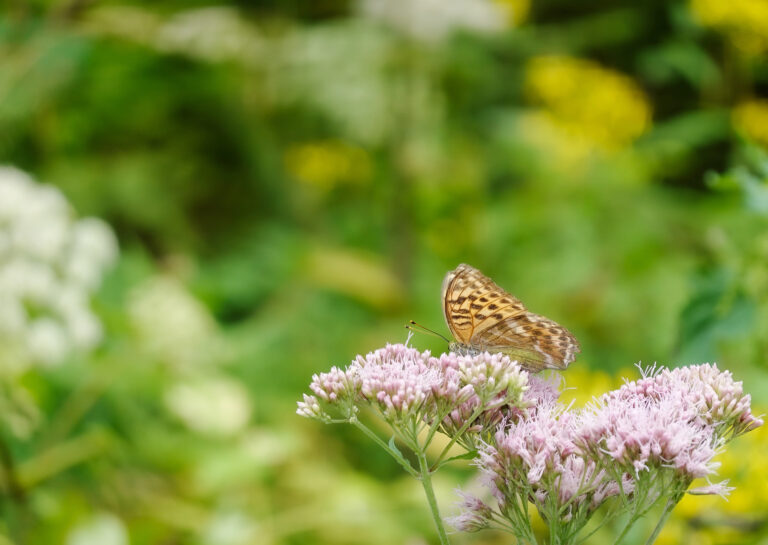
- Small butterflies
- Skippers
- Hoverflies and other beneficial insects
The flowers are rich in nectar and pollen, making them especially valuable for bees raising brood throughout the summer. Instead of relying on a short-lived food source, pollinators can return to the same patch again and again as new flowers continue opening.
More Than Just Food for Bees
Bird’s-foot trefoil also benefits wildlife in other ways.
As a member of the legume family, it naturally adds nitrogen to the soil through a partnership with beneficial bacteria in its roots. This helps improve soil fertility without fertilizer.
The plant also provides cover for small insects and serves as a larval food plant for several butterfly species.
Because it stays relatively low to the ground, bird’s-foot trefoil often mixes well with grasses and other meadow plants instead of taking over taller vegetation.
Is Bird’s-Foot Trefoil Invasive?
This is one of those plants that generates mixed opinions.
Bird’s-foot trefoil is not native to North America, and in some regions it has spread beyond where it was originally planted. Some states consider it invasive because it can outcompete native prairie species under certain conditions.
In other areas, it behaves more like a well-established naturalized wildflower that provides valuable forage for pollinators.
If the goal is restoring a native prairie, native flowering plants are usually the better choice. However, in many old fields and roadside habitats, bird’s-foot trefoil has become an important nectar source during the long summer season.
A Small Plant With a Big Impact
It is easy to overlook bird’s-foot trefoil because it grows close to the ground and produces relatively small flowers. But spending a few minutes watching a patch in bloom tells a different story.
Honey bees, native bees, butterflies, and other insects visit the flowers from morning until evening. The fact that those blooms continue appearing for months instead of weeks makes the plant especially valuable.
While many wildflowers have already faded by midsummer, bird’s-foot trefoil continues providing food for pollinators, supporting the insects that keep gardens, farms, and natural areas thriving.
For more great plants to attract bees, see our article on 20 Spring Plants That Benefit Both Bees and People
🌿 Gear Up for a Bee-Friendly Garden
Contains affiliate links, for full disclosure, see FTC Disclosure, here.
Looking for tools that actually work?
We’ve pulled together our favorite picks for beekeeping, gardening, and pollinator-friendly seeds—everything you need to support bees and grow a thriving space.
Browse the full list on Amazon — all in one spot.